Water Softener Bypass Valve Open Or Closed

There’s a quiet little switch in most homes that rarely gets a second thought: the water softener bypass valve. It’s that unassuming lever, usually tucked behind a utility doo...
There’s a quiet little switch in most homes that rarely gets a second thought: the water softener bypass valve. It’s that unassuming lever, usually tucked behind a utility door or under the sink, that holds the power to change the flow of your entire water system. But when exactly should you twist it open, and when should you leave it closed? Let’s demystify this humble hero of home maintenance with a relaxed, Saturday-morning kind of clarity.
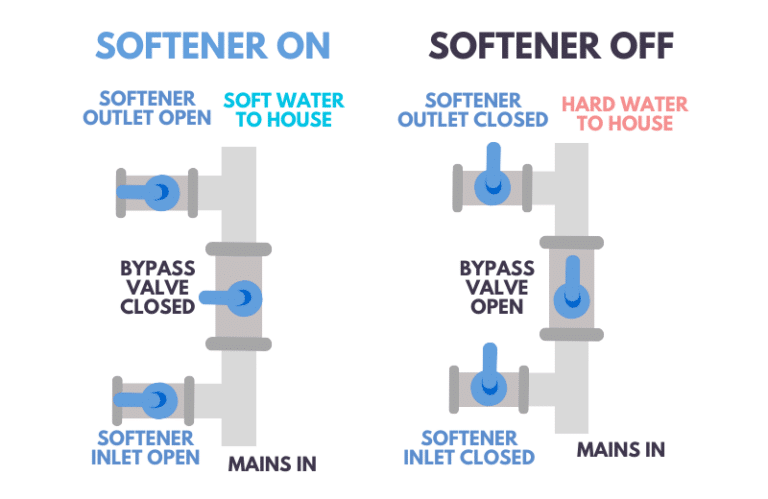
Think of the bypass valve as the off-ramp for your water supply. When the valve is closed (often aligned perpendicular to the pipes), water is forced to run through the softener tank, where salt and resin beads strip away calcium and magnesium. This is your luxury mode—soft water for silky hair, spot-free glasses, and laundry that feels like a cashmere hug. Most of the time, you want this setup humming in the background like a gentle spa soundtrack.
But life throws curveballs, and that’s when you flip the valve open (parallel to the pipes). Open bypass means water skips the softener entirely, flowing raw and hard straight into your taps. It’s not a defeat—it’s a strategic pause. Maybe you’re watering your prize-winning hydrangeas (hard water has minerals plants love), or perhaps you just installed a new refrigerator with a water line that needs flushing. Think of it as giving your softener a breather while you handle a specific task.
Must Read
When to Flip to Bypass: The Golden Moments
Picture this: you’re in the middle of a garden project, and your hose is attached to an outdoor spigot. Outdoor faucets should almost always be bypassed. Why? Because you’re not about to waste precious softened water (with its salt content) on your lawn or tomato plants. That’s like serving kombucha to a thirsty cactus—well-intentioned but wrong.
Another prime moment: emergency plumbing repairs. If a pipe bursts or you’re replacing a water heater, keep the bypass open to isolate the softener. This protects your unit from debris and sudden pressure surges. It’s a lesson straight from the “better safe than soggy” handbook. And if you’re going on a two-week vacation, switch to bypass to prevent the resin from drying out or salt bridging while you’re sipping cocktails on a beach.
The Cultural Connection: A Little Detour
Bypass valves have a quiet cultural resonance. In tech-obsessed Japan, water softeners are often bypassed during the rainy season to prevent mineral-laden rainwater from stressing sewer systems. It’s a mindful adaptation. In Scandinavian households, the bypass is a sacred ritual during spring cleaning—hard water is used for floors because it leaves less residue than soft water. Who knew a plastic valve could carry so much geography?
Fun fact: the word “bypass” entered the home lexicon in the 1950s alongside the rise of suburban plumbing. Before that, people just dealt with hard water stains and limescale as a fact of life. Now, we have a choice—a simple twist that separates the gritty from the smooth. It’s almost poetic: a lever that lets you decide between mineral grit and silky flow.
Practical Tips for the Everyday Softener User
First, mark your valve positions with a tiny sticker or a dab of nail polish. Most valves are identical gray knobs, and in a panic (like when your toilet overflows), you don’t want to guess. A red dot for “closed” (softener on) and a green dot for “open” (bypass) saves the day. I use a gold sharpie for mine—it feels a little fancy.
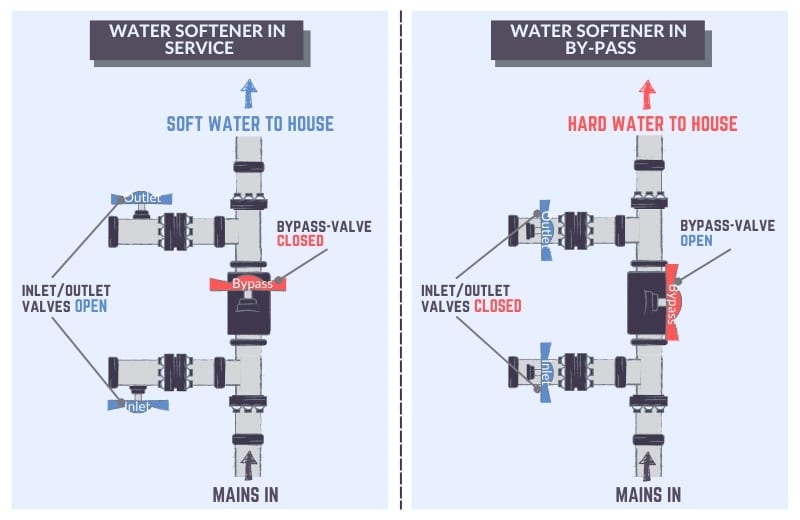 Should Water Softener Bypass Valve Be Open Or Closed at Janel Burnside blog
Second, never leave the bypass open for more than two weeks. Hard water is a relentless film-maker—it leaves soap scum on shower doors and crust in coffee makers. If you bypass for a month, you’ll notice your kettle starts sounding like a gravel truck. Also, running water through a softener that’s been idle can dislodge sediment, so always flush the system for ten minutes after closing the bypass.
Third, listen to your clothes. If your towels suddenly feel like sandpaper, it’s a strong signal you left the bypass open. Trust your fingertips—they’re the best sensor you’ve got. And if you’re hosting a dinner party, switch back to closed mode an hour before guests arrive. Soft water makes for glasses that sparkle like diamonds and wine that tastes less metallic.
A Quick Check: The Annual Valve Inspection
Once a year, during the same weekend you change your smoke detector batteries, inspect your bypass valve. Turn it gently to ensure it isn’t stuck from mineral buildup. A little silicone spray on the stem works wonders. This is the yoga stretch for your plumbing—a simple maintenance move that prevents a crisis later.
If you have a dual-tank system or a digital bypass (yes, some high-tech models have a screen), consult your manual. But for 90% of us, the rule is simple: closed for soft, open for raw. And whenever you’re in doubt, remember this: the bypass valve is not a failure. It’s a tool, like a pause button on your favorite playlist—there for when you need a different vibe.
So next time you’re standing in your laundry room, hand on that little lever, take a breath. You’re not just controlling water; you’re curating the experience of your home. That’s a quiet kind of superpower.
Reflection: In a world that often feels hard and fast, the bypass valve reminds us that we can choose when to filter things out and when to let life flow raw. Some days need the softness—a gentle bath, a silky shirt. Other days need the grit—a garden in bloom, a pipe that just needs water, no questions asked. The valve doesn’t judge. It simply waits for your hand. And that’s the most easy-going lesson of all: control what you can, let the rest bypass, and keep moving with a little grace.
