Well Water Treatment For Coliform Bacteria

So, you tested your well water, and the results came back with a little uninvited guest: coliform bacteria. Don’t panic! This is actually super common, like finding a single a...
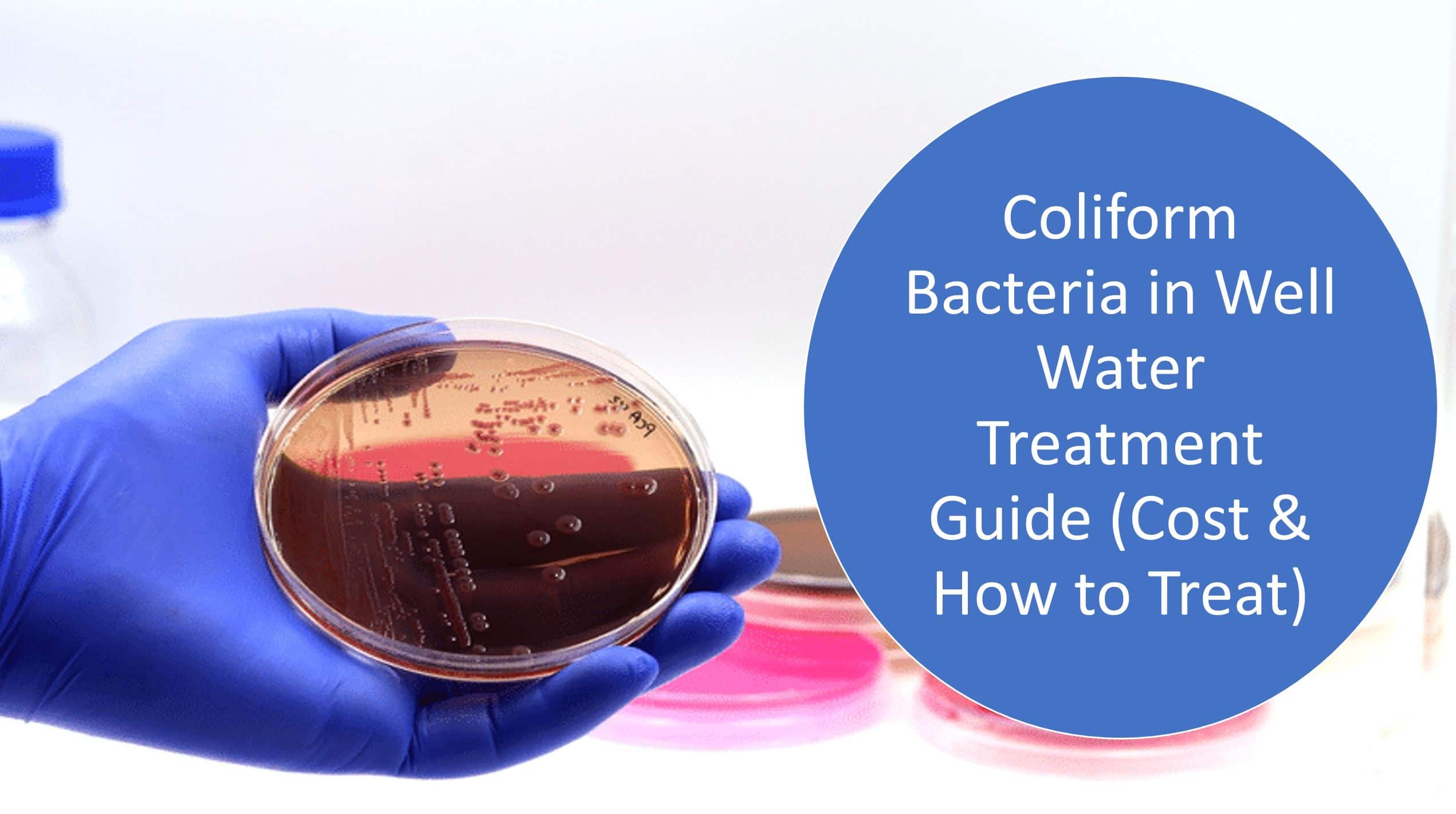
So, you tested your well water, and the results came back with a little uninvited guest: coliform bacteria. Don’t panic! This is actually super common, like finding a single ant at a picnic. It doesn’t mean your water is doomed forever—it just means you need to show those tiny party crashers the door.
First, let’s get one thing straight: coliform bacteria are normally harmless themselves. Think of them as the poster children for worse stuff, like E. coli or viruses. If they show up, it’s a red flag that your well might have a leak or a crack where surface water sneaks in.
But here’s the good news: you can fix this. And you don’t need a fancy chemistry degree or a hazmat suit. Just a little know-how and maybe a cup of coffee while you read.
Must Read
Why Did Coliform Crash Your Well Party?
Coliform bacteria love warm, moist places—like your well’s dark, damp interior. They often hitch a ride from surface runoff after heavy rain, or from a cracked well cap. Ever seen a frog hop into your well? Okay, probably not, but a tiny crack is all it takes.
Another culprit? Your own activities—like a septic system that’s too close, or a well that wasn’t disinfected after installation. It’s kind of like forgetting to wash the cutting board after chopping raw chicken. Oops.
But don’t blame yourself. Mother Nature is a messy houseguest, and wells are basically open invitations until you seal them tight.
Step 1: Shock Chlorination (The Deep Clean)
This is the nuclear option for well water, but in a good, bubble-bath kind of way. You pour a strong chlorine solution directly into the well. Think bleach, but for your water supply—not your laundry.
You let it sit for 12 to 24 hours, killing every last coliform cell. Then you flush the system by running every outdoor faucet until the chlorine smell fades. Warning: your garden might smell like a public pool for a day.
Pro tip: don’t drink this water during the treatment. Unless you enjoy the taste of swimming—in which case, you do you.
Step 2: Find and Fix the Leak
Shock chlorination is a temporary fix, like putting a Band-Aid on a leaky pipe. The real solution is to find where the bacteria are getting in. Check your well cap—is it cracked or loose? Look at the casing—any holes or rust spots?
If you see a gap bigger than a pencil tip, that’s ground zero for coliform. Seal it with a proper well cap or hire a pro. It’s cheaper than buying bottled water for the next decade.
And remember: if your well is older than 20 years, consider a replacement. Old wells are like old socks—full of holes and not great at keeping stuff out.
Long-Term Solutions: UV Filters and More
If you’re the “set it and forget it” type, a UV water filter is your best friend. It zaps bacteria with ultraviolet light, like a tiny, watery tanning bed for microbes. It’s silent, chemical-free, and works 24/7.
 How to Treat Coliform Bacteria in Well Water
You can also install a chlorinator or an ozone system. These are a bit more high-maintenance, but they give you that extra layer of peace of mind. Think of them as a bouncer for your well’s club.
But here’s the kicker: no filter works if your well is still leaking. Fix the hole first, then add the tech. It’s like buying a fancy lock for a door that’s already wide open.
Testing: The Only Way to Know for Sure
After treatment, wait a week, then test your water again. Do not skip this step. It’s like checking if the cake is done—you don’t want a raw middle when you’re expecting a victory party.
If the test comes back clean, you’re golden. If not, repeat the shock chlorination and look harder for leaks. Persistence wins the day.
Also, test your water at least once a year, even if it’s perfect. Bacteria are sneaky, and they love a good comeback tour.
What About Other Contaminants?
Coliform isn’t the only bug in town. Sometimes you get total coliform (the friendly neighborhood bacteria) and sometimes fecal coliform (the party poopers that come from poop). If you see the latter, call a professional ASAP—that’s a health emergency.
But don’t stress: most well water coliform issues are just the harmless kind. You’re basically dealing with the bacteria equivalent of a lost puppy, not a wolf.
And if you’re really worried, install a sediment filter before the UV. It keeps the water clear, so the UV light can see its targets. Teamwork makes the dream work!
In the end, treating coliform is a simple process: clean, fix, protect. It’s like giving your well a spa day, a home repair, and a security guard all at once.
So take a deep breath. You’ve got this. Your water will be clear, safe, and delicious again. And hey, now you have a great story to tell at dinner parties: “Remember that time my well had coliform? I fixed it like a boss.”
Stay hydrated, stay brave, and remember: every drop of clean water is a small victory. Even if it took a little chlorine and a lot of patience to get there. You’re a well-water hero now—wear your garden hose like a cape!
