Difference Between Tap And Distilled Water

Okay, let’s talk about water. Not in a snooze-fest science way, but the way you’d chat about it over a coffee (made with tap water, obviously). You’ve got two main players in...

Okay, let’s talk about water. Not in a snooze-fest science way, but the way you’d chat about it over a coffee (made with tap water, obviously). You’ve got two main players in the hydration game: tap water and distilled water. They look the same, but trust me, they’re basically distant cousins who don’t even send holiday cards.
Think of tap water as the life of the party. It comes straight from your kitchen sink, bringing along a whole entourage of minerals, chemicals, and maybe a few ghost stories from the pipes. Distilled water is that one friend who shows up in all-white everything, having boiled away every impurity to become a pure, judgment-free H₂O snob.
The big difference boils down to one word: purity. Tap water is like a mixed-tape of minerals, while distilled water is a solo artist with no band. Let’s break it down without getting our lab coats dirty.
Must Read
The Tap Water Lowdown
Tap water is the water from your local reservoir, river, or aquifer that’s been treated by your city to be safe. It’s got added fluoride for your teeth and chlorine to kill creepy-crawlies. That’s why your shower sometimes smells like a public pool—your water is working overtime.
But here’s the kicker: tap water also contains minerals like calcium and magnesium. These little guys are why your tea leaves a ring in the mug, but they’re also why plants love it. Basically, tap water is the Robin Hood of the water world—it takes from the environment and gives to your coffee maker’s descaling schedule.
The Distilled Water Drama
Distilled water goes through a dramatic transformation. It’s boiled into steam, leaving behind all the minerals, bacteria, and other stowaways, then condensed back into liquid. Imagine it as the water that went to finishing school and then erased its entire past.
It’s so pure that it’s practically naked. No taste, no minerals, no nothing. If tap water is a cozy diner breakfast, distilled water is a glass of nothing but the glass. Some people call it “flat,” but it’s really just being honest about its lack of personality.
You’ll find distilled water in your iron, your car battery, and in hospital CPAP machines. It’s the clean freak of the water family, which is great for appliances, but a bit of a bore for drinking.
Wait—Can You Drink Distilled Water?
Technically, yes. But should you? Eh, it’s like eating plain oatmeal—it’ll keep you alive, but you won’t be thrilled. Drinking distilled water for a day is fine; doing it for months might strip your body of essential electrolytes because it’s so thirsty for minerals it’ll pull them from you.
Stick to tap water for your daily hydration. Your taste buds and your gut will thank you. Distilled water is a specialist—like that friend who only listens to vinyl and judges your Spotify playlist.
The Great Taste Test
Tap water has character. Depending on where you live, it might taste like rocks, metal, or even a hint of municipal swamp. Distilled water tastes like nothing, which some people love for mixing baby formula or brewing coffee that’s uniquely “clean.”
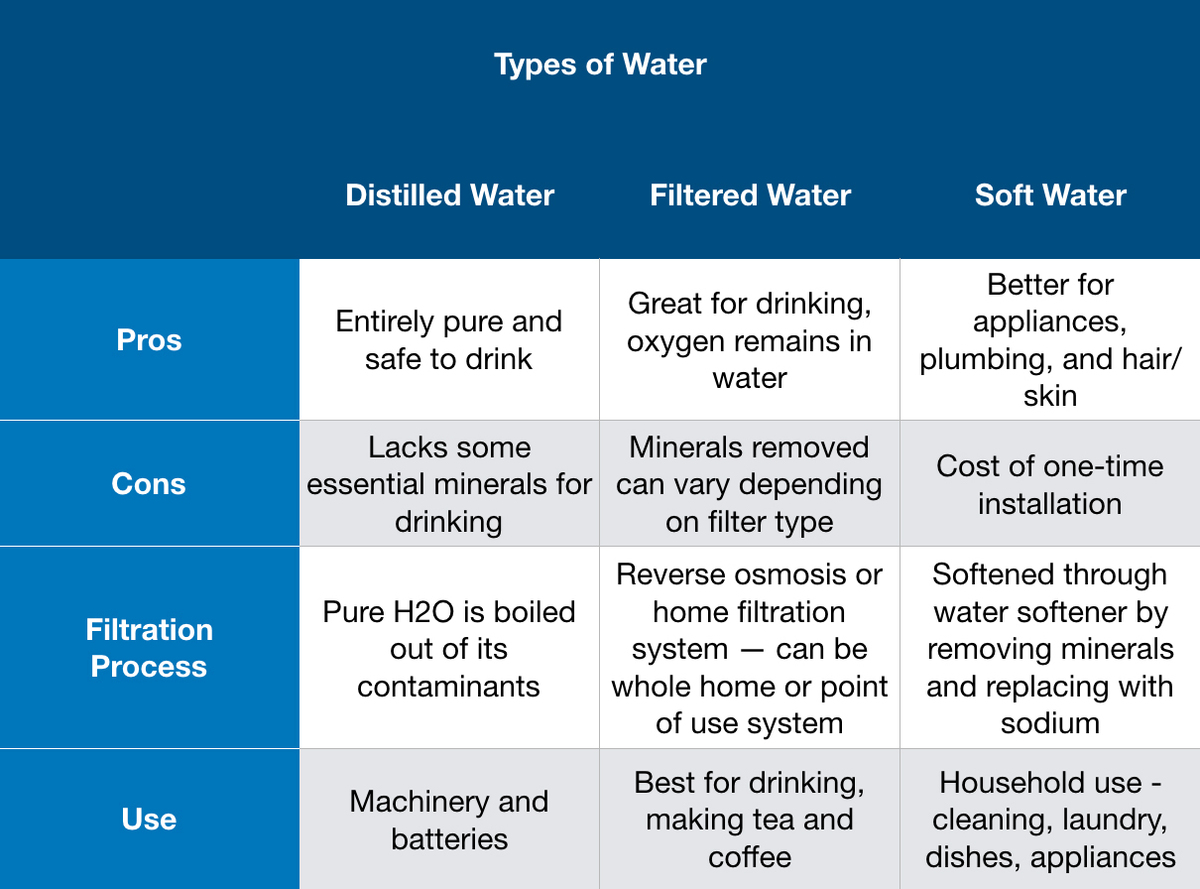 Distilled Water vs Tap Water: Is There a Difference? — WaterSmart
But honestly? Most of us are so used to tap water’s quirks that distilled water just tastes wrong. It’s like kissing a mannequin—technically accurate, but missing the soul.
Which One Wins, and When?
For drinking, cooking, and watering your plants? Tap water is your champion. It’s cheap, it’s got those bonus minerals, and it’s already been tested for safety. Plus, it’s free from your faucet, which is a deal even your wallet can’t ignore.
For your steam iron, car radiator, or anything that might get clogged by mineral deposits? Go distilled. It’s the hero of appliances, preventing that nasty white crust from ruining your gadgets. Just don’t try to impress a date by offering them distilled water—they’ll think you’re running a science experiment.
One More Thing: The Environment
Tap water comes from your pipes, so it has a tiny carbon footprint. Distilled water is usually sold in plastic jugs that have been trucked across the country. So if you’re eco-conscious, tap is the greener choice by a landslide.
Unless you’re using distilled water to clean your fish tank, in which case, you’re already a responsible pet owner. Goldfish don’t judge your choices.
The Uplifting Conclusion (You Knew It Was Coming)
So here’s the real truth: No matter which water you choose, you’re hydrating, and that’s a win. Tap water is the reliable friend who shows up with a six-pack and tells bad jokes. Distilled water is the friend who brings a perfectly curated cheese plate and then leaves early to meditate.
But here’s the smile-worthy part: Both of them are water, and water is amazing. It flows from the sky, through the earth, and into your glass, carrying life wherever it goes. Whether you’re drinking from a tap or a purist’s jug, you’re basically sipping the universe’s favorite recipe.
So next time you fill up your glass, take a second to appreciate the journey. That tap water might have been rain on a mountain, and that distilled water might have been steam from a river. They’re both just H₂O having different adventures. Cheers to that—and to staying hydrated, happy, and maybe a little bit silly about water choices.
Go drink something. You’re probably already 3% more dehydrated than when you started reading. You’re welcome.
