Water Filtration System For Drinking Water

So, picture this: it’s 2 AM, and I’m staring at a glass of tap water like it’s a betrayal. I take a sip, and it tastes like my neighbor’s swimming pool—if that pool had been f...

So, picture this: it’s 2 AM, and I’m staring at a glass of tap water like it’s a betrayal. I take a sip, and it tastes like my neighbor’s swimming pool—if that pool had been filtered through a gym sock. That was the moment I decided my “just get it from the faucet” philosophy was a lie I told myself for too long.
And honestly? That tiny, weird taste was the gateway to a rabbit hole. I fell into the world of water filtration systems for drinking water, and let me tell you, it’s less about fancy gadgets and more about not drinking crud. You think you’re fine? Eh, maybe you are. But your water might be holding a grudge (and some lead).
What’s actually in your water?
First, let’s get real about the stuff coming out of your tap. It’s not just H2O—it’s a cocktail of chlorine, sediment, and sometimes things you really don’t want to meet in a dark alley, like microplastics or bacteria.
Must Read
Your local water treatment plant does its job, but pipes are old—like, Victorian-era old in some places. By the time water reaches your glass, it’s picked up souvenirs: rust, copper, or even a hint of pesticides if you’re in a farming area.
I’m not trying to scare you, but I’m also not going to lie to you. That “clean” water? It’s a maybe. A filtration system turns that “maybe” into a “yes, and it tastes like a mountain stream.”
The main characters: Pitchers, faucets, and under-sink systems
You don’t need a degree in plumbing to get started. The pitcher filter is your low-commitment friend—it’s like the Tinder of water filtration. You fill it, you wait, you drink. Easy. But here’s the catch: it’s slow, and it won’t remove heavy metals like lead or arsenic. It’s a first date, not a marriage.
Then there’s the faucet-mounted filter. You screw it on, it clicks, and suddenly your tap runs clean-ish. Handy, but it can be bulky—and if you have a weird faucet shape, you’ll be tempted to wrestle it like a greased pig. Not ideal at 6 AM.
If you want the big guns, go under-sink filtration. This is where you commit. You install a separate spout, and it uses multiple stages (carbon, sediment, sometimes a reverse osmosis membrane). It’s the full spa treatment for your water—better taste, zero drama, and it actually removes the nasty stuff like lead, chlorine byproducts, and pharmaceutical residues.
Reverse osmosis: The overachiever
Let’s talk about reverse osmosis (RO). It’s the system that makes water so pure it almost feels like it has no personality—but in a good way. It forces water through a super-fine membrane, kicking out 99% of contaminants. Even your coffee will taste different: rounded, smoother, less bitter. Once you try it, you’ll never want to go back.
The downside? It wastes a bit of water (like 3 parts waste to 1 part clean, though newer models are better), and it strips minerals. You’ll hear people say, “But what about my electrolytes?” Calm down, you eat food. You’ll survive.
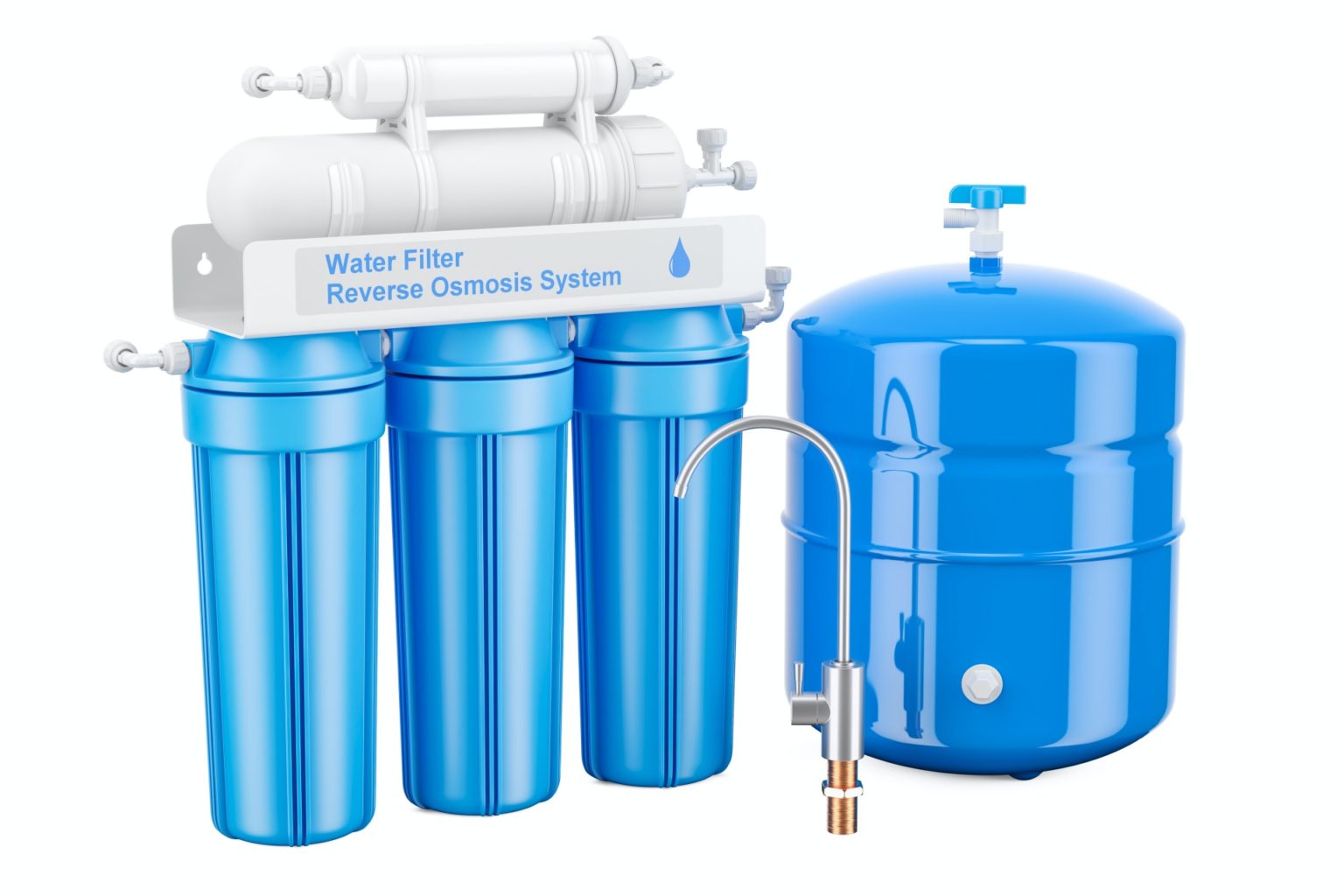 Residential Drinking Water Filter Systems | H2O Equipment
For most homes, a countertop RO system is a sweet spot. No installation, just plug it in or attach it to your faucet. It screams “I respect my hydration,” without hiring a plumber.
What to look for—the cheat sheet
Don’t get hypnotized by marketing. “Alkaline water!” “Infused with crystals!” No. What you want is NSF certification. Look for numbers like NSF 42 (taste and odor) or NSF 53 (health contaminants). If a filter doesn’t have those, it’s basically a fancy bottle.
Check for activated carbon—it’s the backbone of most systems, grabbing chlorine and weird smells. If you have hard water (white crust on your kettle), you might need a water softener upstream, too. But don’t panic; most people just need a basic carbon filter.
And yes, you absolutely have to change the filters on schedule. A dirty filter is worse than no filter—it becomes a bacteria farm. Think of it like changing socks: gross if you don’t, totally fine if you do.
The ironic truth
Here’s the kicker: once you start filtering, you become a water snob. You’ll taste the difference between tap and filtered water in a restaurant and grimace. You’ll carry a reusable bottle everywhere. You’ll judge your friends’ pitchers. But it’s a good kind of snobbery—the kind that keeps you healthy and hydrated.
Some people say, “Oh, I’ve been drinking tap water for 40 years and I’m fine!” Sure, and I’ve been crossing the street without looking both ways for 40 years—doesn’t make it a strategy. Our bodies are 60% water, so maybe let’s not gamble on that percentage.
Start small. Get a pitcher filter for a week. Taste it. If you notice the difference (and you will, I promise), move up. Or dive straight into under-sink glory. Either way, you’re telling your water, “I see you, and I’m upgrading you.”
Your future self—the one who wakes up at 2 AM and sips something genuinely delicious—will thank you. And that neighbor’s pool taste? Gone. Finally gone.
