Carbon Whole House Water Filtration System

Let’s talk about the water coming out of your tap. You probably think it’s just water—clear, wet, and harmless. But my friend, that glass of “crisp” hydration is secretly host...
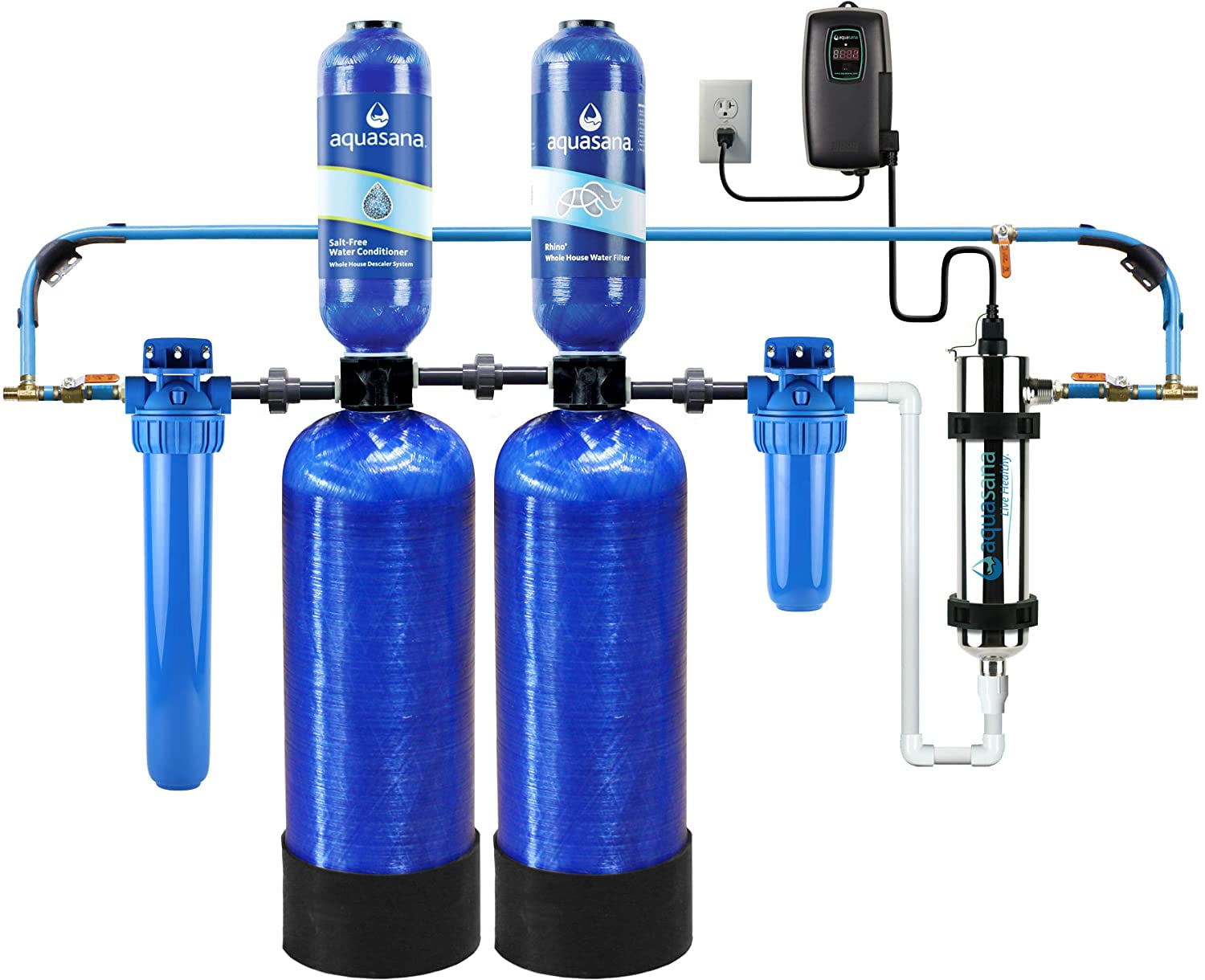
Let’s talk about the water coming out of your tap. You probably think it’s just water—clear, wet, and harmless. But my friend, that glass of “crisp” hydration is secretly hosting a tiny, soapy, chemical rave.
You see, your local water treatment plant does an amazing job killing germs. But once that H₂O leaves the plant and starts its journey through miles of aging pipes, it picks up some seriously uninvited guests. Think rust from corroding pipes, chlorine that smells like a swim meet, and microscopic sediment that looks like coffee grounds in your ice cubes. Yum, right?
The Carbon Awakening
Enter the hero you never knew you needed: the Carbon Whole House Water Filtration System. Imagine a burly bouncer stationed right where the water main enters your home. Its job? To kick out all the riffraff before they even get near your faucet.
Must Read
This isn’t your run-of-the-mill pitcher filter that struggles with a single glass of tap. Nope. A whole-house system is a tank—literally. It’s a big metal canister filled with activated carbon, a material with more surface area than a football field packed into a single tablespoon. That carbon grabs contaminants like a toddler grabs candy: relentlessly and without mercy.
What's Actually in Your Water? (Don't Read This While Sipping)
Okay, quick reality check. Your tap water likely contains chlorine (to kill bacteria), chloramine (a longer-lasting disinfectant), volatile organic compounds from industrial runoff, and even tiny traces of pharmaceuticals. Yes, you read that right—there’s a non-zero chance your morning coffee includes a microscopic dose of someone else’s antidepressant.
One study found antidepressants are being detected in tap water globally. Now, don’t panic—the concentrations are tiny, but still. Do you really want to be accidentally mewing along to sad songs because your water has a little fluoxetine in it? A carbon filter removes 95% of that stuff. It’s like giving your pipes a detox spa treatment.
The Real Magic: What You’ll Notice (Besides Not Crying)
Here’s the fun part. After installing a whole-house carbon filter, you’ll start noticing things. First, the smell of chlorine disappears. Your shower will no longer smell like a public pool. Your laundry will stop fading into dingy, grey despair because chlorine bleach is literally bleaching your clothes prematurely. In fact, carbon-filtered water can extend the life of your clothing by up to 40%. That’s not a joke—it’s science with a side of savings.
Second, your skin will throw a mini party. Chlorine strips away natural oils, leaving your skin dry like a lizard’s purse. Switch to filtered water, and suddenly your moisturizer actually works. You might even get mistaken for someone who uses fancy face cream. And your hair? It stops feeling like straw and starts acting like it belongs on a shampoo commercial.
The Hidden Cost of Hard Water (Spoiler: It’s Your Wallet)
Here’s a surprising fact: water hardness and chlorine content kill your appliances. The average water heater running on unfiltered city water loses efficiency by 25% over five years. That’s like flushing twenty-five cents of every dollar you spend on heating water right down the drain. Carbon filtration reduces scaling and chemical wear, meaning your washing machine, dishwasher, and coffee maker stop dying young.
 7 Best Activated Carbon Water Filters of 2024
You know that $500 espresso machine you bought as a treat? It’s currently slowly calcifying from the inside, weeping steam like a dying robot. A whole-house carbon filter is basically a lifetime warranty extender for your entire home. It’s the only appliance that pays you back by making everything else last longer.
But Wait, Isn't This Expensive?
Yes, the upfront cost stings—typically a few hundred to a couple thousand dollars. But let’s run the math. Bottled water at $1 per gallon? You’re spending over $700 a year on something you can get from your tap for pennies. And that bottled water is often just tap water from another city. (Yeah, Nestlé has been sued for that.) A whole-house carbon filter costs less than a year of bottled water, and you never have to lug those ridiculous plastic jugs from Costco again.
Plus, you’ll save on soap, shampoo, and repair bills. And you’ll feel smugly superior when guests say, “Wow, your shower water feels different.” You can reply, “Oh, that’s just my multi-stage carbon bouncer evicting chlorine and vibes.”
One Weird Quirk You’ll Love (or Hate)
Here’s a playful exaggeration that’s almost true: after installing one, you might start tasting minerals for the first time. See, activated carbon doesn’t remove healthy minerals like calcium and magnesium—it just nukes the bad stuff. Your water will taste “smoother” and “softer.” It’s such a dramatic change that some people actually complain their water tastes “flat” at first. That’s just your taste buds being confused by the absence of chlorine and rust. Give it a week, and you’ll be addicted.
And one more surprising fact: carbon filters also remove radon, a radioactive gas that seeps into groundwater in certain regions. So you’re not just getting cleaner water; you’re slightly reducing your cancer risk. But don’t quote me on that—I’m a writer, not a doctor. Just a guy who now drinks water like it’s a fine wine.
The Bottom Line
A Carbon Whole House Water Filtration System isn’t just a purchase; it’s a lifestyle upgrade. It’s the difference between sipping from a cloud and sipping from a rusty fire hydrant. You’ll save money, look younger, smell better, and your appliances will love you. Is it an overreaction? Maybe. But so is buying a Subaru because you hike twice a year. Be the person who filters their entire house. Your future self—with softer skin, brighter laundry, and a working espresso machine—will thank you.
Now go fill a glass. The rave is over, and the carbon bouncer has cleared the dance floor.
