How Hard Is It To Install A Water Softener

So, you’re thinking about installing a water softener. Maybe your dishes look like a snow globe exploded on them, or your skin feels like parchment after every shower. The big...
:max_bytes(150000):strip_icc()/installing-a-water-softener-2718669-FINAL-1-ee8de137dcf84b5db1e28f84a7dec11b.png)
So, you’re thinking about installing a water softener. Maybe your dishes look like a snow globe exploded on them, or your skin feels like parchment after every shower. The big question is: how hard is it to actually do this yourself?
Spoiler alert: it’s not brain surgery. But it’s also not quite “IKEA furniture” level easy. You’re swapping out hard water minerals for sodium ions, and that takes some plumbing bravery.
The Honest Truth: It’s a Weekend Job
If you’re handy with a wrench and not afraid of a little water, you can probably do it. Most DIYers claim it takes four to six hours for a basic system. But if you’ve never touched a pipe before, double that time—and add two extra trips to the hardware store.
Must Read
You’ll need patience. And maybe a towel. Definitely a towel.
What You’re Actually Up Against
First, you have to find a spot. Water softeners are big, plastic, and heavy—like an trash can that got drunk on salt. You need a place near your main water line, a drain, and an electrical outlet.
Then comes the plumbing cut. You’ll saw into your copper or PEX pipes. If you’re squeamish about cutting into your home’s veins, this might make you sweat. But hey, it’s just a pipe! You can fix a mistake with a coupling and some primer.
The “Bypass Valve” Dance
Every softener comes with a bypass valve. This little gadget is your best friend. You turn it to “bypass” when you want to skip the softener (say, for watering plants or filling a pool). Getting that valve installed wrong means your whole house suddenly gets salty water.
Don’t panic. Just read the manual three times. Then watch a YouTube video at 0.75 speed. You’ll get it.
The Tools That Will Save Your Sanity
You’ll need: a pipe cutter, a couple of adjustable wrenches, Teflon tape, and maybe a torch if you’re dealing with copper. Oh, and a bucket. A big bucket. Because water will leak when you open that pipe.
And here’s a pro tip: buy a SharkBite push-to-connect fitting. It’s like cheating at plumbing. No soldering, no glue, just push and twist. I literally credit SharkBite for saving my marriage during a water heater install.
What If You Have a Drain Issue?
The softener needs to dump its salty backwash somewhere. If your drain is too high, gravity will laugh at you and flood your basement. You might need a $50 drain adapter or a tiny pump.
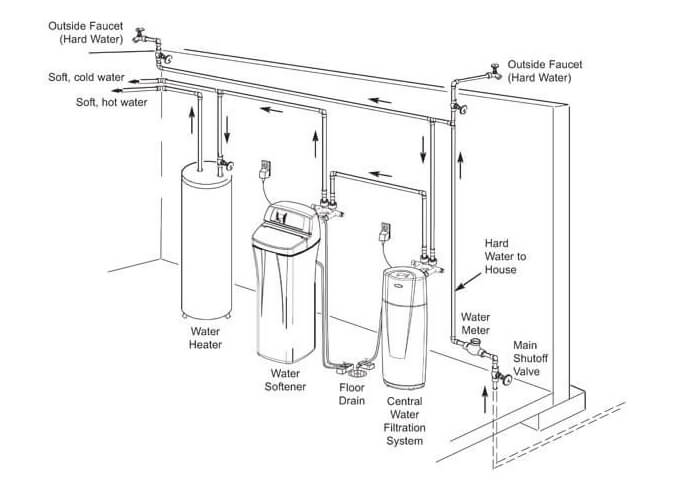 How to Install a Water Softener | Whirlpool
Is it hard? Kinda. But it’s not harder than hauling 40-pound bags of salt up and down stairs for the next ten years. Pick your struggle.
The Moment of Truth
After hours of sweating, cursing, and maybe a tiny flood, you turn the water back on. You listen for drips. You check every joint with a dry tissue. Then you plug it in.
The softener whirs to life. You run the tap and—holy smooth water—your skin feels like silk. That moment? Totally worth it.
When Should You Just Call a Pro?
Look, I’m all for DIY. But if your house has galvanized steel pipes or weird old fittings, don’t be a hero. A plumber will charge $200 to $500 for installation. That’s a lot of coffee, but it’s also “no broken pipes” money.
Also, if you live in a condo or have a well pump? Stop. Just stop. Call the plumber. Those systems are fussy and you don’t want to mess with your neighbor’s water pressure.
The Verdict: A Solid 6 Out of 10 on the “Hard” Scale
Installing a water softener is harder than changing a lightbulb, but easier than rewiring a ceiling fan. It’s messy, but not mysterious. The hardest part is the confidence to cut into your pipes.
Once you do it, you’ll feel like a plumbing wizard. Plus, you’ll never have to scrub white scale off your faucets again. Isn’t that a win?
Now go grab a wrench—and maybe a six-pack. You’ve got this.
:max_bytes(150000):strip_icc()/installing-a-water-softener-2718669-FINAL-1-ee8de137dcf84b5db1e28f84a7dec11b.png&description=How+Hard+Is+It+To+Install+A+Water+Softener)