Can You Use Drinking Water In A Humidifier

So, you’ve finally caved and bought a humidifier. Maybe your skin feels like a piece of old toast, or you’re tired of waking up with a nose that sounds like a rusty kazoo. You...
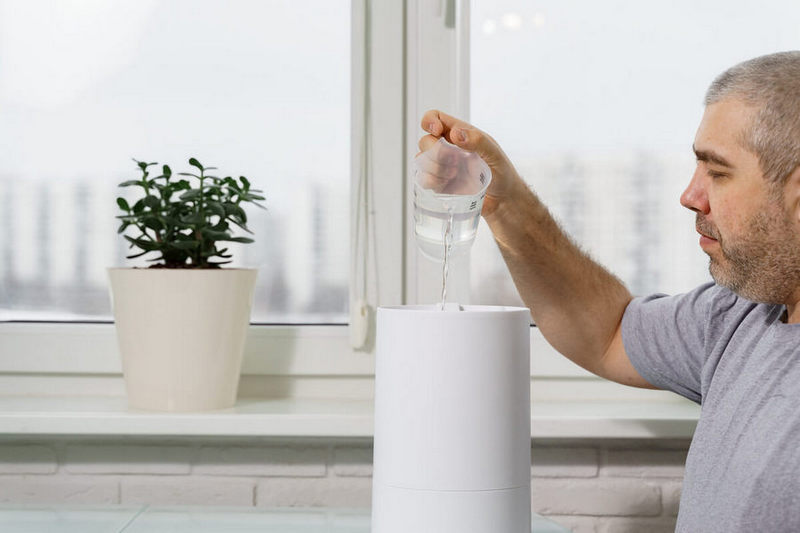
So, you’ve finally caved and bought a humidifier. Maybe your skin feels like a piece of old toast, or you’re tired of waking up with a nose that sounds like a rusty kazoo. You fill that tank with water, and then it hits you: Can I just use drinking water from the tap? It feels like a simple question, but it’s one that can lead to a surprisingly sticky situation, like discovering you’ve been using the wrong key for your front door.
Let’s be real: you’ve probably already poured tap water into that thing. I did it myself last winter, feeling like a certified rebel. My logic was, “Hey, it’s water. It’s wet. It goes in the air.” And for a few days, it worked fine—my living room felt like a gentle cloud.
But then, the white dust arrived. It was like my humidifier had developed a mild case of dandruff, leaving a fine, powdery film on my TV and coffee table. That, my friend, is the ghost of tap water minerals—calcium and magnesium—thrown into the air like microscopic confetti. You don’t want to breathe that confetti all night.
Must Read
So, can you use drinking water? Technically, yes, you can. It won’t explode. But the real question is: should you? Using regular tap water is like putting cheap gas in a fancy car. It’ll run, but you’re asking for gunk in the engine—or in this case, a crusty, mineral-clogged humidifier that sounds like a dying robot after a month.
The Three Water Types: A Comedy of Errors
Let’s break down your options, because this is a bigger decision than picking a Netflix show. You have tap water, the everyday hero that’s full of secrets. It’s cheap, it’s easy, and it’s packed with minerals that love to form scale.
That scale is the enemy. It builds up inside your humidifier like a tiny, stubborn coral reef. Before long, you’re scrubbing the tank with a toothbrush and grumbling about “modern appliances.” You might as well be fighting a losing battle against a prehistoric sea creature.
Then there’s distilled water, the fancy pants of the water world. It’s basically water that’s been boiled, evaporated, and re-condensed—a spa treatment for H2O. Using it means zero mineral dust, zero scale, and a humidifier that purrs like a happy cat.
Yes, buying distilled water feels like a small luxury. You’ll be the person in the grocery store tossing a gallon jug into your cart, feeling slightly superior. But honestly, it’s the cheapest insurance policy against humidifier headaches. It’s like buying premium gas and never having to clean your fuel injectors.
What About Filtered Water? The Middle Ground
You might have a fridge filter or a Brita pitcher. That’s filtered water, which is better than tap, but not perfect. It removes some minerals, but not all. Think of it as a solid B+ student in the water class.
It’ll reduce white dust, but it won’t eliminate it. You’ll still get some scale over time, just slower. It’s a decent compromise if you hate buying jugs but also hate dusting your furniture every day.
:strip_icc()/bhg-detail-levoit-oasismis-450s-smart-humidifier-hwortock-001-1-d19e440a26ee4161be84c8765580dd39.jpg) The 12 Best Humidifiers, Tested by BHG
The 12 Best Humidifiers, Tested by BHG
I once used filtered water for a month and thought I was a genius. Then I opened my humidifier to clean it and found a thin, gray slime. That was bacteria, my friends. Bacteria love warm, standing water like teenagers love a free pizza. Filtered water removes chlorine (which usually kills germs), so you actually need to clean your humidifier more often.
The Anecdote That Sold Me
Let me tell you about my buddy Dave. Dave is a guy who thinks “maintenance” is a city in France. He filled his humidifier with tap water for an entire winter. He loved the moist air, but his humidifier started wheezing like an old asthmatic.
One morning, he woke up to a puddle on his nightstand. The mineral scale had clogged the internal workings so badly that water was seeping out everywhere. He called me, furious, asking if he’d been “hacked by a toaster.” No, Dave, you were just being cheap with your water.
He switched to distilled water, cleaned his machine, and now it runs like a dream. He even bought a little humidity gauge and monitors the room like a proud plant dad. It’s honestly adorable. The moral of the story: a little care (and the right water) saves you from a soggy mess and a bruised ego.
The Final Verdict (And A Gentle Nudge)
So, can you use drinking water? Yes, but your humidifier will hate you for it. It’s like feeding a golden retriever chocolate—it can happen, but nobody wins. The white dust will settle, the scale will build, and you’ll be cleaning that tank more often than you clean your coffee mug.
What should you do? If you’re lazy (like me), just buy distilled water. It’s an extra three dollars a week, but it saves you hour-long scrubbing sessions. If you’re frugal, use tap water but commit to a weekly deep clean with vinegar. Don’t skip this—your lungs and your furniture will thank you.
And whatever you do, don’t use hot water. I tried that once, thinking “steam is good.” It warped the plastic tank and smelled like a burnt penny. Just… don’t. Stick to cold, and treat your humidifier like the gentle water-spitting friend it is. Your sinuses, your houseplants, and your future self will all nod in approval.
