Is Distilled Water A Heterogeneous Mixture

Okay, let’s be real for a second. You’ve probably stared at a bottle of distilled water and thought, “Is this stuff a heterogeneous mixture or what?” It’s a valid question, my...
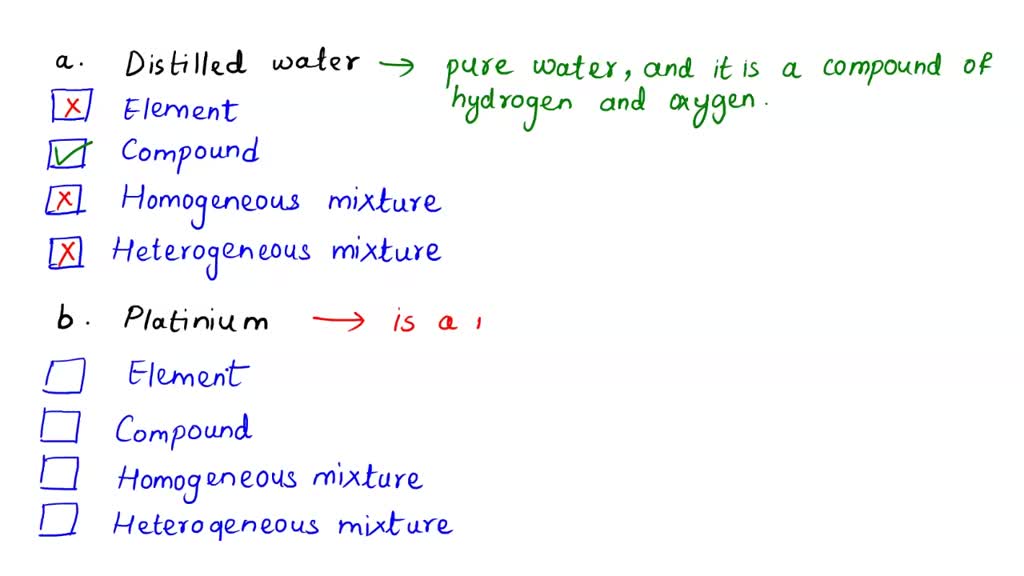
Okay, let’s be real for a second. You’ve probably stared at a bottle of distilled water and thought, “Is this stuff a heterogeneous mixture or what?” It’s a valid question, my friend, and one that deserves a solid answer—preferably without a headache. So, grab your favorite mug of (non-distilled) coffee, and let’s dive into this science-y mystery together. Spoiler alert: it’s way simpler than you think, and we’re going to have some fun with it.
First, let’s break down what a mixture even is.
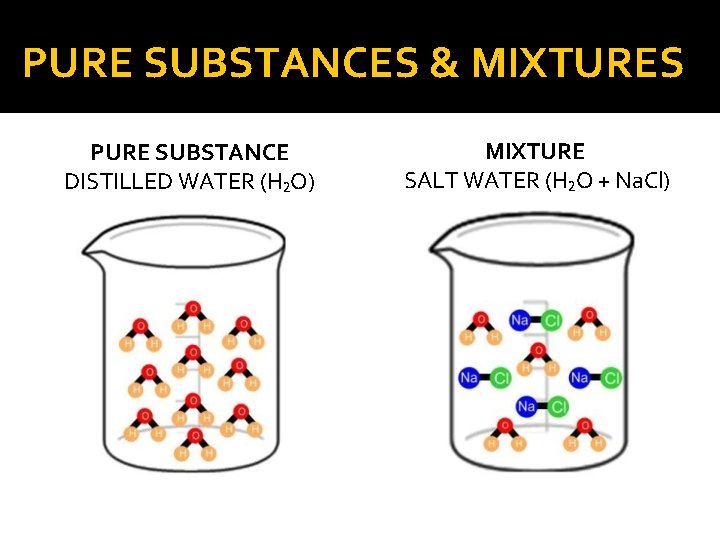
A mixture is what you get when you toss two or more things together without them chemically bonding. Think of a salad—you can see the lettuce, tomatoes, and croutons, right? That’s a heterogeneous mixture, because the ingredients are all hanging out separately, being individuals. On the flip side, homogeneous mixtures, like salt water, look the same throughout—no floating salt crystals if you stir it well.
Now, here’s the kicker: distilled water isn’t a mixture at all. Shocking, I know. It’s actually a pure substance, specifically a compound made of two hydrogen atoms and one oxygen atom. That’s H₂O, baby! So, no lettuce, no croutons—just pure, uncontaminated water molecules holding hands.
Must Read
But wait, didn’t we boil the water to get it distilled?
Yes, we did! The distillation process is like a spa day for water—it gets hot, turns into steam, and leaves all its impurities behind. When the steam cools back into liquid, it’s so clean that it’s almost too pure for its own good. That leftover gunk? That’s the heterogeneous mixture you were thinking of, but it’s not the distilled water itself.
So, if you’re looking at a glass of distilled water, you’re staring at a single, uniform substance. No bits, no chunks, no floating surprises. That makes it not heterogeneous—in fact, it’s the exact opposite. It’s so homogeneous that it’s boring, chemically speaking. Don’t tell it I said that, though.
What about cloudy distilled water? Is that a trick question?
Great observation! Sometimes, especially if you’ve left a jug of distilled water out for a while, it might look a little cloudy. Don’t panic—it’s not turning into a heterogeneous rebel. That cloudiness is usually just tiny air bubbles trapped in the water, or maybe some dissolved carbon dioxide from the air. Once those bubbles rise or the gas dissipates, it goes back to being crystal clear—a pure substance again.
So, even when it looks a bit fuzzy, it’s still not a mixture. It’s just water being dramatic, like a friend who pretends to be complicated but is actually super simple underneath. You know the type.
Let’s clear up a common mix-up here.
People often confuse distilled water with tap water. Tap water is a heterogeneous mixture because it contains minerals, chlorine, and maybe even a little microplastic (yikes). That’s why tap water can taste different depending on where you live—it’s a wild party of ingredients. Distilled water, though? It’s the designated driver at that party, staying sober and pure.
If you tried to make a heterogeneous mixture out of distilled water, you’d have to add something to it—like a pinch of salt or a drop of food coloring. Then, boom, you’ve got a homogeneous mixture (if you stir well) or a heterogeneous one (if you don’t). But by itself? Nope. It’s a loner molecule, and it likes it that way.
 UNIT 3 TRANSFORMATIONS OF MATTER PHYSICAL CHANGES CHEMICAL
Why does this even matter? (Besides winning trivia night.)
Understanding that distilled water is a pure substance helps in real life, too. For instance, if you’re using it in a steam iron or a car battery, you don’t want any extra junk mucking things up. That’s why distilled water is the MVP for appliances—it leaves no residue. In science labs, it’s the go-to for experiments because you know exactly what you’re working with.
And here’s a fun fact: when astronauts drink water in space, it’s often distilled—because nobody wants floating mineral flakes in zero gravity. Talk about a heterogeneous nightmare! So, next time you sip some non-distilled water, give a little nod to the astronauts and their pure, simple H₂O.
But what about ice cubes made from distilled water?
Ah, you’re getting clever now! Even frozen, distilled water stays a pure substance. Ice made from distilled water is still just H₂O in solid form—no impurities to create a slushy, heterogeneous mess. It melts into the same boring, beautiful purity. So no, ice cubes don’t turn it into a mixture, either. Nice try, though.
The only way distilled water becomes a heterogeneous mixture is if you’re a very messy person and drop a cracker into it. Then, you’ve got a soup—but that’s on you, not on the water.
Now, let’s wrap this up with a smile.
So, to answer our burning question: Is distilled water a heterogeneous mixture? Nope. Not even close. It’s a pure substance, a chemical compound, a solo artist in a world of noisy bands. It doesn’t mix with anything unless you force it, and even then, it’s just a temporary fling.
Isn’t that kind of inspiring? In a life full of complicated mixtures—work, relationships, that weird tupperware in the back of your fridge—it’s nice to know that distilled water keeps it simple. It’s a reminder that sometimes, being pure and straightforward is exactly what you need. Be like distilled water: stay true to yourself, avoid unnecessary impurities, and don’t let anyone call you a “mixture” unless you’ve got some added flair.
Go ahead, pour yourself a glass of anything you like. And remember: the world is full of heterogeneous chaos, but you—and distilled water—can choose to be clear, calm, and wonderfully, beautifully pure. Cheers to that!
