Difference In Purified And Distilled Water

Alright, grab your coffee, because we need to settle a crispy, wet debate. Is there actually a difference between purified and distilled water? I used to think they were the s...
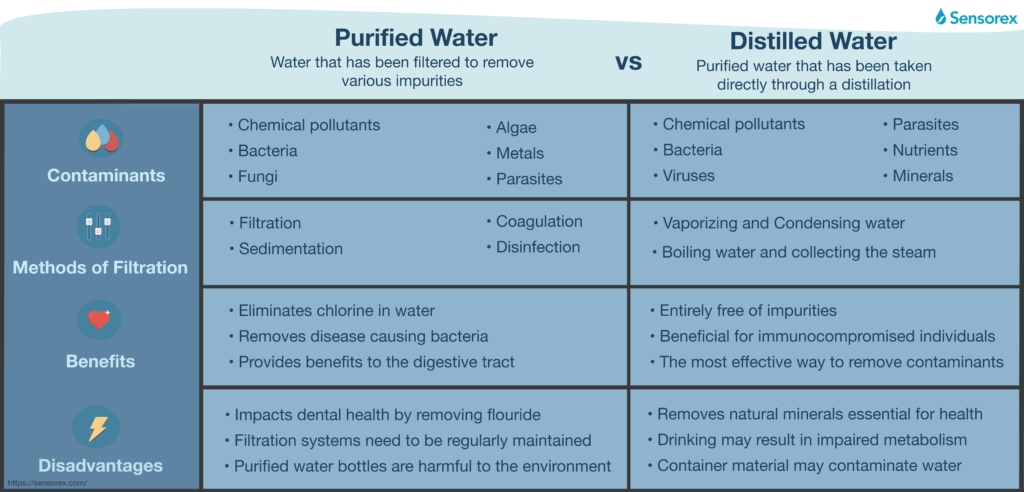
Alright, grab your coffee, because we need to settle a crispy, wet debate. Is there actually a difference between purified and distilled water? I used to think they were the same, just fancy labels on pricey bottles.
Boy, was I wrong. It’s like comparing a vacuum cleaner to a mop—they both clean floors, but they do it in wildly different ways. Let’s dive in, shall we?
The Big, Boiled Difference
Distilled water is the show-off of the water world. It goes through a super dramatic process: we boil it until it turns into steam, then catch that steam and cool it back down into liquid.
Must Read
Think of it like a spa day for water, but one where it sweats out all its impurities. All the minerals, the bacteria, the heavy metals—they stay behind in the pot. Only the purest H2O makes the jump into the vapor.
The result? Water that’s so naked, it’s practically shy. It has zero minerals, zero taste, and zero personality.
Is Distilled Water Too Pure?
Here’s the thing: water that pure can actually be a little thirsty itself. Because it has no minerals, it tries to pull them from whatever it touches.
You know how a dry sponge soaks up everything? That’s distilled water in your pipes. It can leach tiny amounts of metal from old plumbing. Not great for drinking long-term, if we’re being honest.
But for your car battery, your iron, or your CPAP machine? It’s a hero. No mineral buildup means no crusty scale. It’s the one thing you want in your humidifier, I promise you.
Purified Water: The Flexible Friend
Purified water is like the cool cousin who shows up to the party with options. It gets cleaned, yes, but through a bunch of different methods. Distillation is actually one of them, but it’s not the only game in town.
You might use reverse osmosis, which shoves water through a super-fine membrane. Or carbon filtration, which is basically a fancy charcoal sponge. Even deionization, which zaps the ions right out of the water.
The standard? You have to remove at least 99.5% of all impurities. That’s a really high bar. Distilled water hits that bar, too, but purified water usually tastes better.
Why Does It Taste Better? Ask Your Tongue
Here is the dirty little secret: distillation kills the flavor. All those trace minerals like calcium and magnesium? Gone. Your tongue needs a little of that stuff to feel alive.
Purified water, depending on the method, can leave some beneficial minerals in there. Or it can be as clean as distilled, but without that flat, dead taste. It’s like the difference between a plain rice cake and a lightly salted one.
 Distilled vs. Purified Water: What’s the Difference? – Waterdrop Europe
Which one would you rather sip while binge-watching your show? Exactly.
Which One Wins the Drinking Crown?
For your morning glass or your afternoon water bottle, I’d pick purified every single time. It’s clean, it’s safe, and it doesn’t make you wonder if you’re drinking rain from a sterile lab.
Distilled water is great, but it’s a specialist. You wouldn’t use a chainsaw to slice a birthday cake, right? Same logic applies here.
But if you’re on a medical diet or your tap water is truly scary? Distilled is your backup plan. Just don’t drink it for months on end—you’ll miss the minerals, and your dentist might frown at you.
The Cost Factor (Because Money Matters)
Let’s be real: both cost more than tap water. But distilled water is usually more expensive because that boiling process eats up lots of energy.
Purified water can be made faster and cheaper using carbon filters or UV light. That’s why you see it in giant jugs at the grocery store for a reasonable price.
So if you’re budget-conscious, go for the filtered option. Your wallet will thank you, and your water bottle won’t taste like regret.
The Final Sip
So, what’s the verdict? Distilled water is the purest, stripped-down version. It’s great for appliances, bad for taste buds.
Purified water is the all-rounder—super clean, but still friendly enough to drink. It’s the water you want for your coffee, your cooking, and your random afternoon hydrations.
Honestly? Unless you’re running a laboratory or filling a steam iron, you probably don’t need to stress. Pick purified, drink up, and don’t overthink it. Your body is just happy to get the wet stuff inside it.
Okay, now refill your cup. I’ll get the next round of coffee, and we can argue about something else, like whether sparkling water counts as real water. (Spoiler: It totally does.)
