Water Softener System With Reverse Osmosis

Let’s be honest: tap water has an identity crisis. One day it’s fine; the next, it tastes like someone rinsed a copper pipe in a gym sock. Enter the water softener system with...

Let’s be honest: tap water has an identity crisis. One day it’s fine; the next, it tastes like someone rinsed a copper pipe in a gym sock. Enter the water softener system with reverse osmosis, the dynamic duo of home hydration. This isn’t just about tasting better coffee—it’s about reclaiming your kitchen from the tyranny of hard water.
The Hard Truth About Hard Water
If you’ve ever scrubbed a white film off a glass and muttered a curse, you’ve met hard water. It’s packed with calcium and magnesium, minerals that wreak havoc on pipes, appliances, and your favorite kettle. A water softener swaps those ions for sodium, leaving you with water that feels silky and rinses clean. Think of it as a spa day for your plumbing.
But here’s the catch: conventional softeners leave behind sodium and trace contaminants. That’s where reverse osmosis (RO) struts in like the cool, neurotic friend who double-checks everything. RO forces water through a semi-permeable membrane, stripping away 95-99% of dissolved solids—including lead, chlorine, and those mysterious pharmaceutical residues. Together, they form a fortress of purity.
Must Read
Why You Actually Need Both
Imagine the softener as the bouncer at a club, kicking out the big, rowdy minerals. The RO system is the VIP filter that ensures only the finest molecules get through. Without the softener, those hard minerals would clog the RO membrane faster than a pop star’s tour bus. It’s a partnership built on necessity.
Practical tip: Look for a whole-house softener paired with an under-sink RO unit. This way, your showers feel like silk dreams, and your drinking water tastes like a mountain spring. Bonus: your soap will lather like it’s getting paid by the bubble.
The Celebrity Endorsement You Didn’t Ask For
Ever noticed how every celebrity wellness guru drinks from a glass bottle and raves about “alkaline” or “structured” water? Here’s a fun fact: most Hollywood mansions run on water softeners with RO. It’s not magic—it’s science with a TikTok glow. Gwyneth Paltrow might sell you a jade egg, but she’d never serve you tap water without a filter.
Cultural checkpoint: In parts of Europe, where mineral-rich water is a point of national pride, locals still install home filters. Italians wax poetic about their espresso, but even they know that limescale ruins a perfect crema. Meanwhile, in the American Southwest, hard water is practically a villain origin story for dishwashers. A softener-RO combo isn’t a luxury; it’s a survival strategy.
Installation: Easier Than Assembling IKEA Furniture
Yes, you can hire a plumber, but modern kits are surprisingly DIY-friendly. Most under-sink RO systems come with color-coded tubing and a manual that reads like a choose-your-own-adventure (without the dragons). The softener, however, requires a bit more space—think of it as the bouncer who needs a parking spot near the door.
Pro tip: Test your water hardness first. A $15 test strip kit or a call to your local utility will give you the numbers. Anything above 7 grains per gallon means your pipes are crying for help. And remember: RO systems waste some water (about 3-4 gallons for every gallon filtered), so collect the reject water for your plants. They love the extra minerals; you get to feel eco-virtuous.
The Taste Test: A Revelation
Pour a glass of RO-filtered water next to straight tap. The difference isn’t subtle—it’s like comparing a vinyl record to a live orchestra. The softener removes the metallic bite, and the RO scrubs away the chemical aftertaste. You’ll find yourself drinking more water, which is basically the health hack your dermatologist and your yoga instructor both approve of.
Fun fact: NASA uses reverse osmosis to recycle wastewater on the International Space Station. So if it’s good enough for astronauts sipping recycled urine in zero gravity, it’s definitely good enough for your morning smoothie. No tang required.
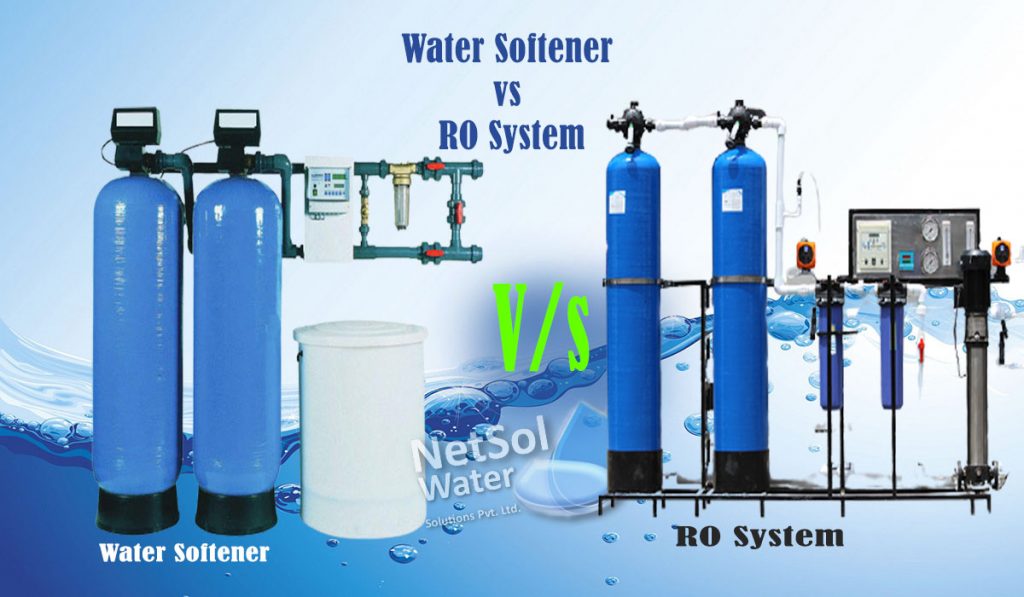 Difference between water softener and Reverse Osmosis | Softener vs RO
Maintenance: Not a Hobby, a Habit
RO systems need filter changes every 6-12 months. The softener requires salt refills every few weeks—a task that feels oddly satisfying, like feeding a pet robot. Set a reminder on your phone, or use a smart monitor that nags you via app. Cyberpunk hydration, friends.
One catch: softened water is not recommended for watering gardens due to the sodium content. Use a bypass valve for outdoor spigots, or install a separate hard-water line for the hose. Your tomatoes will thank you by not staging a revolt.
The Cost-Benefit Tango
Initial investment runs from $500 to $2,000 for a good combo system. Sounds steep? Compare it to the cost of replacing a water heater every five years (thanks, limescale) or buying bottled water for a decade. The math works out faster than you think. Plus, you’ll save on detergent, dish soap, and that fancy bottled water subscription you forgot to cancel.
Practical tip: Look for energy-star rated softeners and RO systems with a permeate pump to reduce water waste. Some models even come with a filter that adds back trace minerals for taste. It’s like having a bartender who listens to your preferences—except it’s a machine, and it never judges your 2 a.m. cravings.
Cultural Detour: Water as Status Symbol
In ancient Rome, aqueducts were the ultimate flex. Today, your water filtration system is the quiet luxury equivalent—like a Le Creuset pot or a well-worn cashmere sweater. When friends visit and you offer them a glass of “our filtered water,” you’re not just hydrating; you’re signaling. And honestly? It feels great.
Don’t forget the ice cubes. RO ice melts slower, tastes neutral, and makes your whiskey or iced tea sing. It’s the detail that turns a Tuesday evening into a cocktail hour. Raise a glass to molecular precision.
A Final Reflection
At its core, a water softener system with reverse osmosis isn’t about gadgets—it’s about intentional living. You’re choosing to control what enters your body and your home. In a world full of noise, contaminants, and hard water stains, this is a small, elegant act of rebellion.
So go ahead, fill that glass. Notice how it feels lighter, how it quenches without a hint of regret. Tomorrow, when you shower and your skin doesn’t scream for lotion, you’ll smile. Life isn’t about perfection—it’s about better choices, one silky sip at a time.
