Can I Use Tap Water In Humidifier For Baby

So, you’re staring at your humidifier, wondering if that tap water is okay for your baby. Let’s dive into this soggy mystery. Spoiler: it’s not just about wet air. The Tap Wa...
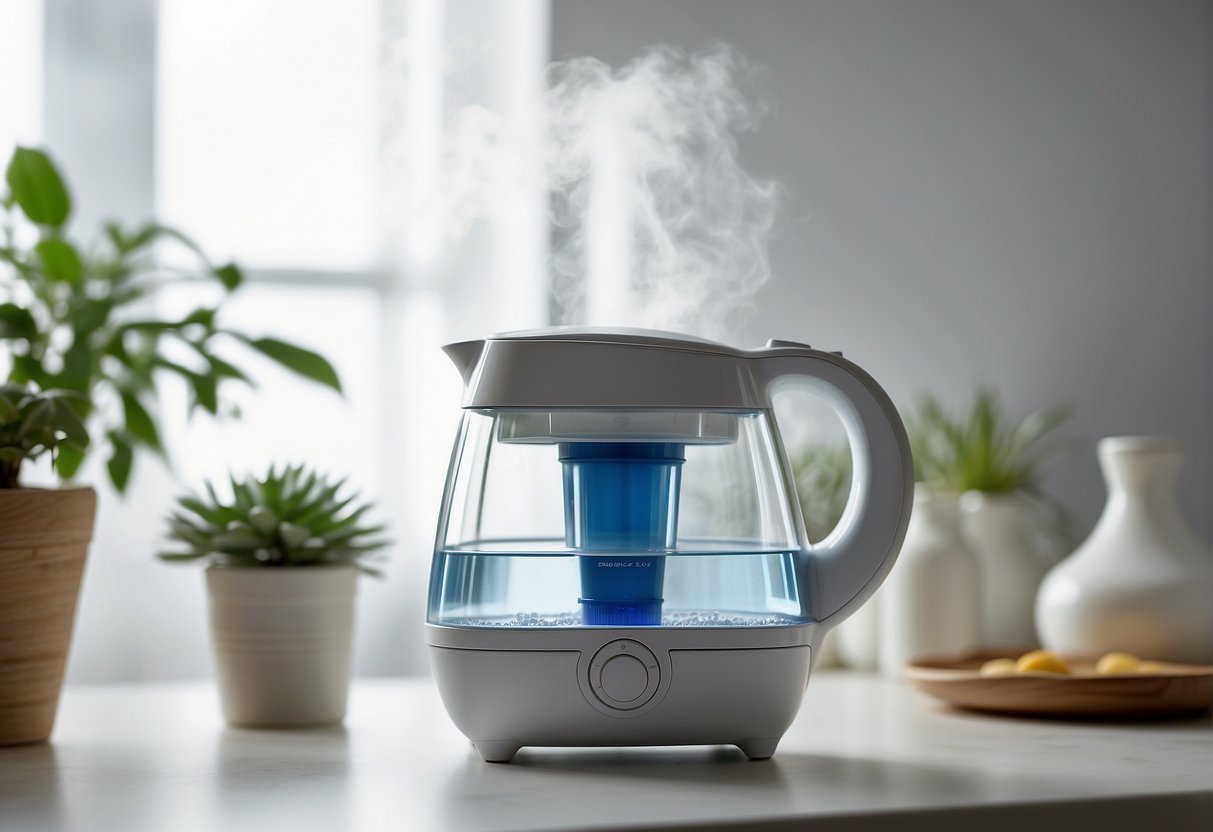
So, you’re staring at your humidifier, wondering if that tap water is okay for your baby. Let’s dive into this soggy mystery. Spoiler: it’s not just about wet air.
The Tap Water Trap
Tap water is a wild cocktail of minerals. Think calcium, magnesium, and even a dash of lead in older pipes. Your humidifier doesn’t care—it just turns that cocktail into a white dust storm. That dust isn’t snow; it’s mineral grit for your baby’s lungs.
Babies have tiny airways. They don’t need a mineral exfoliation. So, no, tap water isn’t ideal. But let’s not panic—there’s nuance here.
Must Read
Why It’s Fun to Talk About
This topic is like a science experiment you can perform at 2 a.m. You’ll notice weird white crust on your furniture. It’s geeky, it’s gross, and it’s oddly satisfying to scrape off. Your humidifier is basically a mineral volcano.
Plus, you get to play detective. Is that white film dust or bacteria? Spoiler: it’s both. Tap water feeds mold and germs faster than you can say “sneeze.” Now that’s a party you don’t want to crash.
The Baby Lung Dilemma
Babies breathe like tiny, innocent vacuum cleaners. They pull in everything—water vapor, dust, and mineral flakes. Distilled water is the VIP pass for their airways. It’s pure H₂O, stripped of all the party crashers.
But tap water? It’s like inviting a marching band into a library. The mineral particles can irritate baby’s nose and throat. Not fun for anyone.
The Quirky Facts
Here’s a fun one: tap water in a humidifier can grow pink slime. Yes, pink slime. It’s a bacteria called Serratia marcescens. It loves warm, wet places. Your humidifier is its five-star resort.
Pink slime can float into the air. Imagine tiny pink parachutes landing on your baby’s crib. Gross, right? So, tap water is basically a slime farm with a mist setting.
But What If You’re Broke?
Look, distilled water costs money. You’re not made of cash. If you must use tap water, boil it first. Boiling kills germs but doesn’t remove minerals. So you’ll still get white dust. It’s a compromise.
 Humidifier for Baby Room Benefits: Our Expert Guide
Better yet, use a cool-mist humidifier with a demineralization cartridge. Those cartridges cost a few bucks and make tap water less evil. They’re like bouncers at a club, kicking out the mineral riffraff.
The “Oh, Crap” Moment
You forgot to clean the humidifier for three days. Now it smells like a swamp. Tap water accelerates this because it adds food for mold. Clean weekly, or your baby’s room becomes a biological experiment. Not the cute kind.
Your grandma used tap water, and you’re fine. True, but grandmas also had windows open and dust bunnies the size of dogs. We’re modern parents—we overthink and over-clean. Lean into it.
The Final Verdict
So, can you use tap water? Technically yes, but with caveats. You’ll breathe easier knowing your baby isn’t inhaling mineral dust or pink slime. Distilled water is the gold standard. It’s boring, pure, and clean—exactly what babies need.
If you must use tap, boil it, filter it, or toss in a demineralization cartridge. Your humidifier will thank you. Your baby? They’ll just sleep better. And that’s the whole point.
Quirky Takeaway
Think of your humidifier as a tiny dragon that breathes mist. Tap water makes it spew mineral ash. Distilled water turns it into a magical cloud maker. Which dragon do you want guarding your baby’s nursery?
Also, never use essential oils in a baby’s humidifier. That’s a whole other article. But for now? Water purity is king. Go forth, mist-maker, and keep those baby lungs pristine.
