Granular Activated Carbon Water Filtration

Let’s be honest: tap water is a gamble. Sometimes it’s crisp and lovely, other times it tastes like a swimming pool that’s been through a divorce. You’ve been there, right? Th...

Let’s be honest: tap water is a gamble. Sometimes it’s crisp and lovely, other times it tastes like a swimming pool that’s been through a divorce. You’ve been there, right? That faint chemical aftertaste that makes you wonder if your glass is half-full or half-chlorine.
Enter granular activated carbon water filtration. It sounds like something a lab coat would dream up, but it’s actually the unsung hero of your kitchen. Think of it as a tiny, invisible bouncer for your tap, kicking out the riffraff like chlorine, pesticides, and weird earthy smells.
The Science of Simple Sorcery
Here’s the gist without the textbook: carbon is basically a sponge from another dimension. Imagine a black, crumbly charcoal that has a million microscopic caves inside. When water flows through, those caves grab the nasty stuff by the collar and say, “Not today, stinky.”
Must Read
It’s like that one friend who always vacuums up your stray chips before you can step on them. The carbon particles are that friend, but for your water. Surface area is the magic word—a single gram of this stuff can have the surface area of a football field.
So, while you’re just trying to make morning coffee, the carbon is working overtime. It’s the quiet employee who doesn’t need a raise, just a constant stream of tap water to keep busy.
Why Your Glass Tastes Better (And Why You Nod)
Remember that time you filled a water bottle at a friend’s house, and it tasted like grass and regret? That’s because their water wasn’t properly filtered. Good carbon removes the volatile organic compounds (VOCs) that make water taste like a lawnmower.
With a carbon filter, your ice cubes don’t smell like a public pool. Your tea actually tastes like tea, not a chemistry experiment. It’s the difference between wearing sunglasses indoors and seeing the world in HD.
I once had a pitcher filter that was so old, the carbon turned into a sad little mud pie. The water came out looking proud… but tasting dusty. Don’t be that person. Replace your filter, or your water will start gossiping about you behind your back.
The Pitcher, The Faucet, The Whole Shebang
You’ve seen the options: the jug in the fridge, the faucet attachment, or the fancy under-sink system. The pitcher is the reliable minivan of filtration—slow, but gets the job done. You pour water in, wait, and suddenly your tap water feels premium.
The faucet-mounted version is the sports car: fast, but sometimes leaks a little and makes you question your life choices. Still, it gives you instant clean water for pasta. I once installed one backward, and it shot water at my cat. The cat wasn’t impressed, but the water was pristine.
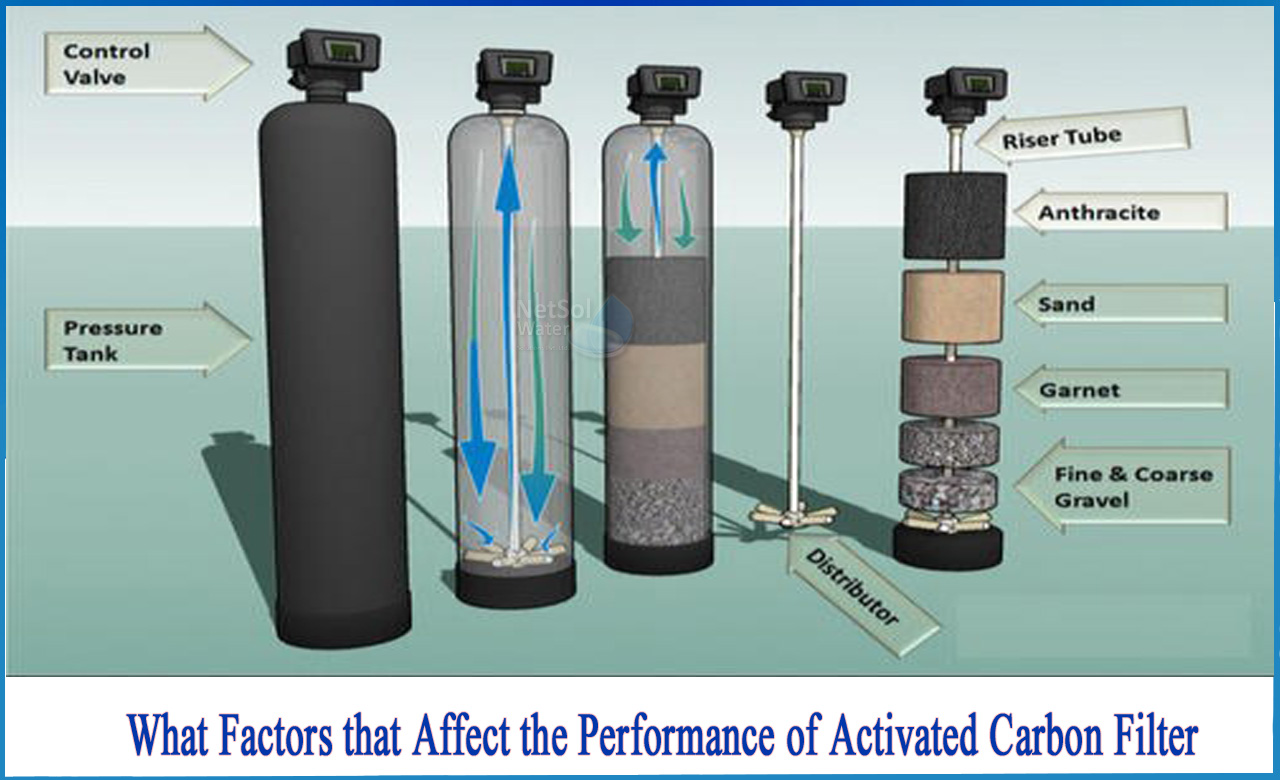 What factors that affect the performance of Activated Carbon Filter
And then there’s the whole-house system. That’s the rock star setup—filters everything, from your shower to your dog’s bowl. You walk into the bathroom and the steam smells like nothing. It’s unsettling at first, then glorious.
The Unspoken Rules of Carbon Love
Here’s the real talk: carbon can’t fix everything. It’s great at grabbing chemicals and bad flavors, but it won’t remove salt, heavy metals, or microplastics on its own. It’s like a bouncer who only checks IDs, not bags. You need a bigger system for that.
Also, let’s talk about the dead zone. If you leave a full pitcher of filtered water out for days, it can get stale. The carbon essentially passes out from exhaustion. So drink up, you magnificent water-sipper.
I once forgot a filter change for three months. The water started tasting like old socks and regret. I replaced the filter, and the first glass tasted like I’d just discovered happiness in liquid form. Lesson learned.
The Bottom Line (And a Tiny Confession)
Granular activated carbon isn’t flashy. It won’t tweet about your water’s glow-up. But it works. It turns the tap from a necessary evil into a delightful refreshment. You pour a glass, take a sip, and you just know—it’s clean.
So, next time you fill a glass and it tastes like morning dew instead of a pool filter, give a little nod to the carbon. It’s the silent, gritty, hard-working lifeguard of your kitchen sink.
And if you ever taste a hint of cat? Yeah, that’s still on you. Check the filter. Maybe buy a new one. Your tastebuds will thank you, and so will your sanity.
