Ion Exchange Resins For Water Purification

Ever wonder what happens to your tap water before it reaches your glass? It’s not just magic—it’s often a quiet little science party happening inside a filter. One of the cool...

Ever wonder what happens to your tap water before it reaches your glass? It’s not just magic—it’s often a quiet little science party happening inside a filter. One of the coolest guests at that party is something called an ion exchange resin.
What on Earth is an Ion Exchange Resin?
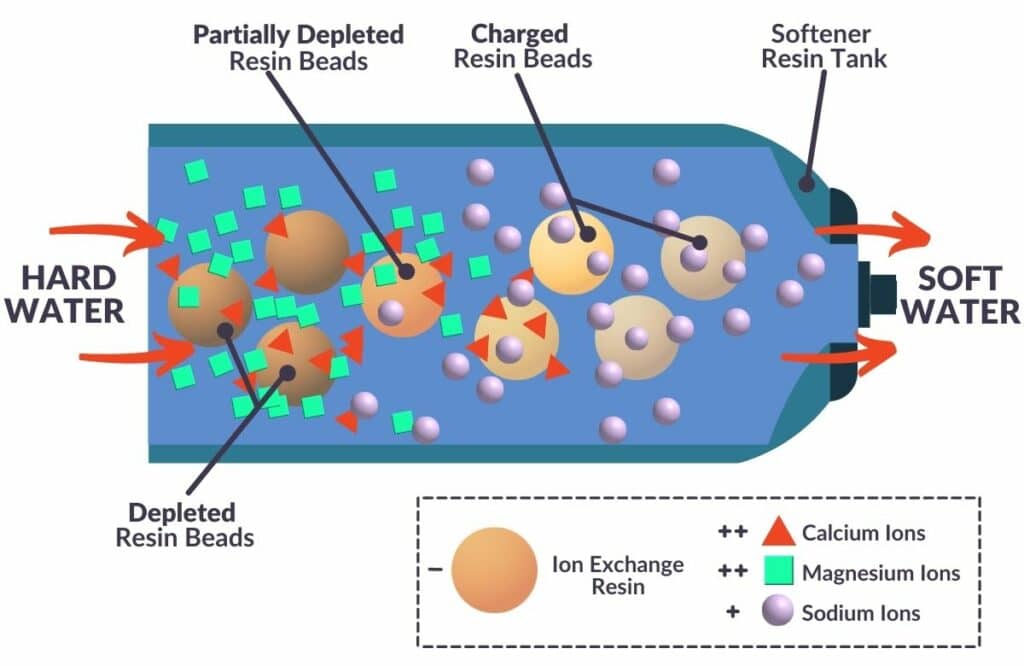
Think of it as a microscopic bouncer for your water. These are tiny, bead-like plastic pellets that are specially designed to swap one ion for another. Ions are just charged particles—like calcium, magnesium, or sodium—that float around in your water.
The resin beads have a secret power: they grab unwanted ions and release less harmful ones instead. It’s a trade, but a very smart one. Pretty simple, right? Yet, it’s capable of doing amazing things.
Must Read
Hard Water? Meet Your New Best Friend
You’ve probably heard of hard water—the kind that leaves white crusty stuff on your faucets or makes your soap feel weird. That’s just calcium and magnesium ions showing off. Ion exchange resins say, “Not today, minerals.”
They swap those hard-water culprits for sodium or potassium ions. Suddenly, your shower feels silkier, your coffee tastes cleaner, and your dishwasher doesn’t look like a science experiment gone wrong. Crazy, isn’t it?
Beyond Softening: The Hidden Superpowers
Ion exchange isn’t just for soft water. It’s also the secret weapon in making ultrapure water for labs or factories. They use special resins that yank out almost every single charged particle, leaving water so clean it’s almost lonely.
You can even find them in home water filters for removing metals like lead or copper. That’s a huge deal for peace of mind. So, while you’re sipping your tea, a tiny bead is quietly fighting the bad stuff.
The Fun Comparison: Like a Picky Dinner Guest
Imagine you’re hosting a dinner party. Your water has some unwanted guests—like bitter minerals or heavy metals. The resin beads are the polite hosts who say, “Oh, you hate broccoli? Have some carrots instead.” They swap out the mean ions for kind ones.
And here’s the kicker: the resins can be recharged. When they get full of bad ions, you rinse them with a salty brine, and they’re ready to party again. It’s like a filter that can go to the gym and come back refreshed.
Is It Safe? (Spoiler: Totally)
Ion exchange resins are used in municipal water plants and fancy coffee shops everywhere. They’ve been around for decades, and regulators like the NSF certify them for safety. You’re not drinking the beads—they stay put in the filter while the water flows through.
 Does Brita Filter Remove Hard Water - Fierro Pornat
Worried about sodium? Some resins use potassium instead, which is gentler for people on low-sodium diets. It’s all about choice and knowing what you’re swapping.
Why Should You Care? It’s Low-Tech Magic
We live in an age of flashy gadgets and smart everything. But ion exchange is a beautifully simple chemical trick that’s been quietly fixing water problems for over a century. It doesn’t need batteries, Wi-Fi, or an app update.
It’s just chemistry being a chill superhero. Next time you see a water softener or a lab-grade filter, you’ll know: tiny plastic beads are doing the heavy lifting, one ion at a time.
The Coolest Part? It Helps the Planet Too
By softening water in your home, you use less detergent, your appliances last longer, and you reduce energy waste. That’s a win-win for your wallet and the Earth. Ion exchange resins even help clean industrial wastewater before it’s released.
So, it’s not just a party trick for your faucet. It’s a quiet, powerful tool that keeps our world a little cleaner. Pretty cool for something that looks like tiny plastic sand, don’t you think?
Final Thought: Look Closer at Your Water
The next time you fill a glass, take a second to appreciate the invisible helpers. Ion exchange resins are proof that small things can make a huge difference. They’re humble, they’re effective, and they never ask for applause.
Honestly? That’s the kind of friend we all need in our lives—especially in our drinking water.
