Water Leak From Neighbours Property Uk Law

So, your ceiling just started dripping. Or maybe it’s a full-on waterfall. And you know, deep in your soggy bones, it’s not your plumbing. It’s them. The neighbours. Welcome...
So, your ceiling just started dripping. Or maybe it’s a full-on waterfall. And you know, deep in your soggy bones, it’s not your plumbing. It’s them. The neighbours.
Welcome to the most awkward coffee chat you’ll ever host. You’re standing there with a mop and a grimace, wondering: who pays for this? And what does UK law actually say about a water leak from a neighbour’s property?
The short, wet answer
Must Read
First, take a breath. Seriously. Grab a towel and a cuppa. Under UK law, your neighbour isn’t automatically a villain. They might be a victim too.
The legal rule is simple: no one is strictly liable for an accidental leak. Think of it like a spilled pint at the pub. It’s bad, but if it was a genuine accident, you don’t sue your mate for your new trainers.
But—and there’s always a but—if the leak happened because your neighbour was negligent, the game changes. Negligence is legalese for “they knew the pipe was dodgy and ignored it.” Or they DIY’d a bathroom with bubblegum and hope.
Negligence is the magic word
Let’s say they’ve been ignoring a slow drip for months. Or they hired a cowboy builder who left a hose loose. That’s not an accident. That’s carelessness. In that case, their home insurance—or their wallet—should cover your soggy ceiling.
But proving negligence? Harder than getting a tradesman to show up on time. You’ll need evidence. Photos. Texts. A diary of “the day the kitchen turned into a swimming pool.” And maybe a letter from a plumber saying, “Yes, this was avoidable.”
Step one: Talk to them (without a lawyer)
I know, I know. You want to bang on their door with a wet sponge. Don’t. Start friendly. Say, “Hey, I think your washing machine is trying to redecorate my living room.” Most neighbours want to help. They don’t want a lawsuit either.
Ask them to check their pipes. Better yet, ask for their home insurance details. Most policies cover “escape of water” claims. That’s the technical phrase. Fancy, right? It means their insurer should pay for your repairs, minus the excess (usually £100–£250).
If they cooperate? Brilliant. You’re one phone call away from a dry house. But if they shrug and say, “Not my problem,” you’ll need to take a deeper step.
What if they say “No”?
You can still report the leak to their insurance company directly. Yes, you can do that. Just call them and say, “I’m the neighbour of [Name]. There’s a leak, and they’re not responding.” The insurer will usually investigate. They don’t want a massive payout later.
Most of the time, the insurance dance works. But if it doesn’t? You can threaten a court injunction. That’s a legal order telling them to fix the leak. It’s a nuclear option. Expensive. Time-consuming. But sometimes, it’s the only way to stop the drip.
Your own insurance: the unsung hero
Here’s the bit nobody tells you. Check your own buildings or contents insurance. Most policies cover “escape of water” from any source, even a neighbour’s leak. Weird, right? It’s like having a backup best friend.
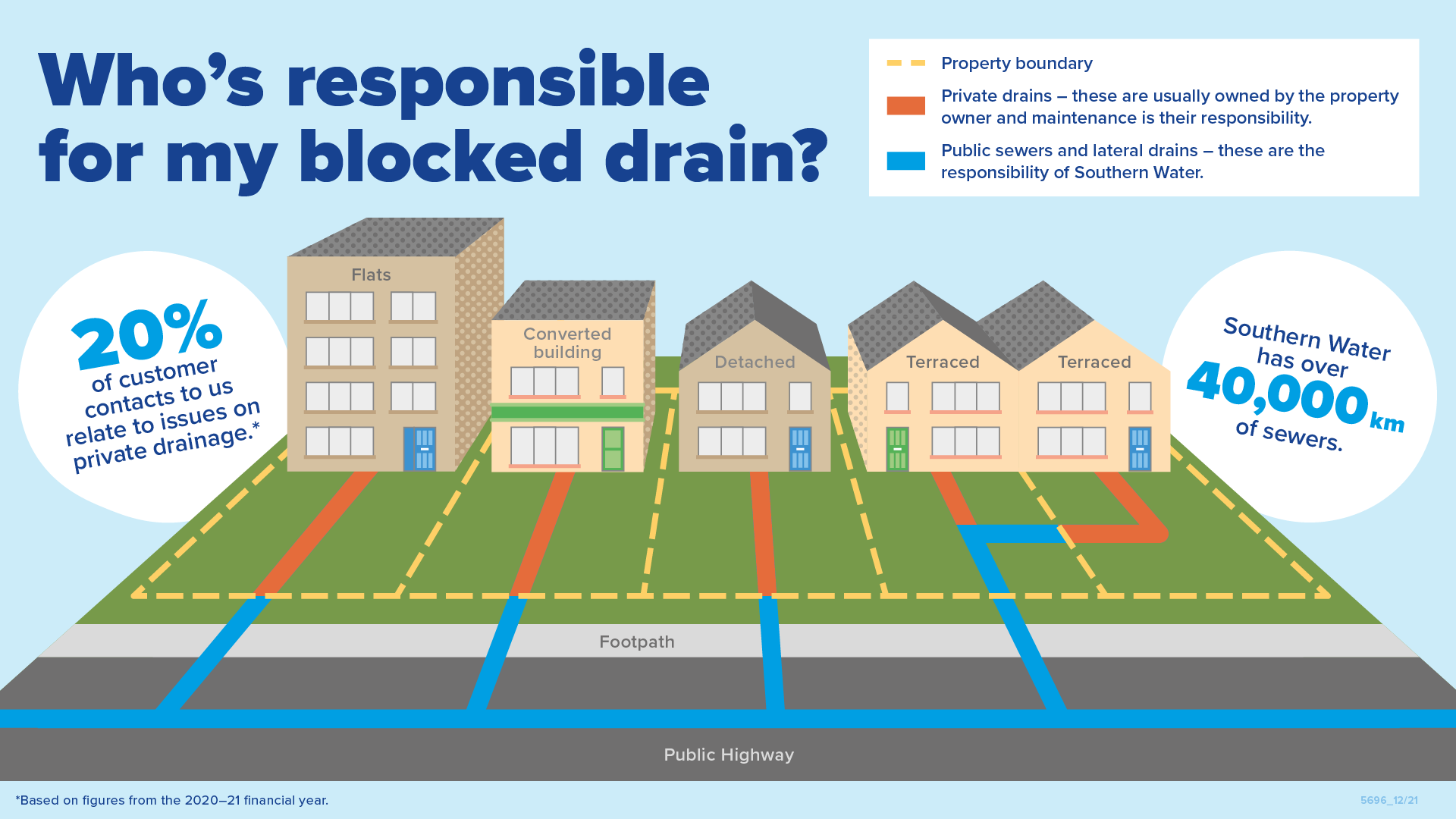 Who is Responsible for Shared Drains on My Property: Homeowner's Guide
Your insurer will pay to dry out your ceiling. Then they chase your neighbour’s insurer for the money. It’s called “subrogation.” Legal nerd stuff. But it means you don’t have to argue with Brenda from number 7.
The catch? You still pay your excess upfront. But it’s faster than waiting for the neighbour’s insurance company to answer emails.
The water bill twist
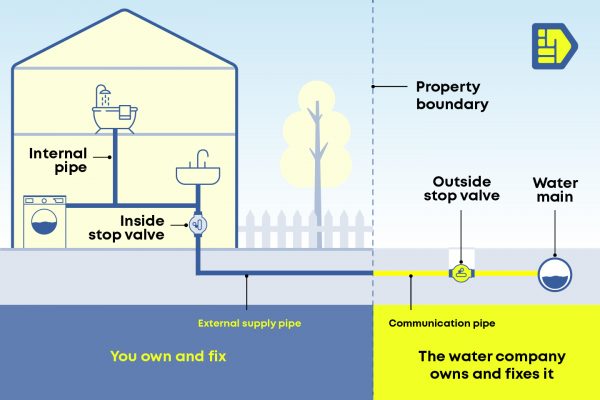
What if the leak is a burst pipe on their land? Who pays for the water itself? Technically, the water company is on the hook if the leak is on their side of the meter. But if it’s inside the neighbour’s home? That’s their bill, not yours.
Unless you’ve been paying the water bill for their flat by mistake. (Don’t laugh. It happens. Check your bill.)
When the leak is a silent killer
Sometimes, you don’t even see the water. You just smell the damp. Or the wallpaper starts peeling like a sunburned tourist. That’s a hidden leak. It can rot your floorboards, mess with your electrics, and give you a bonus mushroom garden you never asked for.
UK law says your neighbour must fix the source of the leak. Full stop. They can’t let it damage your property. That’s called a “nuisance” under the law, and yes, it’s as annoying as it sounds.
But here’s the hard part: you have to prove the leak is actually from them. Not from the roof. Not from your own pipe. Get a plumber to inspect both sides. Then you have a smoking gun.
The elevator pitch summary
If you’re drowning in stress (and water), remember this: start with a chat, then check their insurance, then use your own insurance. The goal is to get the problem fixed now and argue about who pays later.
Never accept a cash settlement from a neighbour unless you have a written agreement. “I’ll pay you £500” sounds sweet until you discover the damage is £5,000. Get a professional estimate first. Always.
A final, soggy thought
Water leaks are the worst. They’re messy, they’re stressful, and they turn you into a reluctant detective. But UK law is actually on your side—if you can prove the leak happened.
So take photos. Keep receipts. And if your neighbour turns out to be a total drip? Well, at least you have a great story to tell over coffee next week. You’ll laugh about it. Eventually. When everything is dry again.
Now go check your ceiling. And maybe buy a mop. Just in case.
