Drinking Water Filtration System Under Sink

Let’s be real for a second: your tap water is a wild card. It might taste crisp or faintly of swimming pool, depending on your local pipes and municipal magic. Enter the under...

Let’s be real for a second: your tap water is a wild card. It might taste crisp or faintly of swimming pool, depending on your local pipes and municipal magic. Enter the under-sink water filtration system—the silent, hidden upgrade your kitchen has been begging for.
We’re not talking about a bulky pitcher hogging fridge space or a sink attachment that clashes with your aesthetic. This is the covert operative of hydration: a sleek setup tucked away beneath your sink, delivering filtered water on demand. It’s like having a secret barista for your H2O, minus the attitude.
Why Go Under the Radar?
Think of under-sink filters as the plumbing equivalent of a noise-canceling headphone. They block out the bad stuff—chlorine, lead, sediment—while letting the good vibes (read: clean, mineral-balanced water) flow freely. You get a dedicated tap or a line that feeds your main faucet, so every glass, kettle, and pot gets the star treatment.
Must Read
This isn’t just about taste; it’s about peace of mind. According to the Environmental Working Group, many U.S. tap water sources contain trace contaminants like arsenic or PFAS. An under-sink system tackles those ghosts without demanding a PhD in installation.
Fun fact: Parisians have been doing this for decades. While you were sipping Evian, they were plumbing their own micro-filtration systems. It’s a quiet rebellion against single-use plastic and a nod to European chic.
The Tech Made Simple
Most systems use a combo of carbon filters and reverse osmosis or ultrafiltration. Carbon grabs chlorine and bad flavors; reverse osmosis kicks out heavy metals and pharmaceuticals. The result? Water that tastes like it’s from a mountain spring, not a chemical lab.
Installation isn’t a horror movie. Basic models require just a wrench, a drill, and about thirty minutes of your weekend. I promise you: if you can assemble IKEA furniture, you can mount a filter. Some brands, like APEC or iSpring, even offer quick-connect fittings that make it dummy-proof.
Here’s a tip: look for systems with NSF/ANSI Standard 53 or 58 certification. That’s the gold star for filtering out cysts, lead, and volatile organic compounds. Your future self will thank you when you’re not Googling “why does my water smell like Band-Aid.”
Real Life, Real Benefits
Picture this: you’ve just come from a sweaty morning run, and you fill your kettle from the under-sink tap. The water is cool, clean, and practically glows. Your coffee tastes less bitter. Your pasta doesn’t have that weird mineral aftertaste. You’re officially the hydration hero of your own home.
Pocket-wise, it’s a win. Skip the bottled water habit (a $200-per-year average waste) and install a $150–$400 system that lasts for years. Replace filters every six to twelve months for around $50. That’s a financial baguette you can break with joy.
Cultural crossover alert: in Tokyo, fermented tea masters use filtered water for its chemical neutrality, claiming it “sets the tea free.” You might not be brewing matcha, but think of your morning lemon water as a ritual worthy of clean base notes.
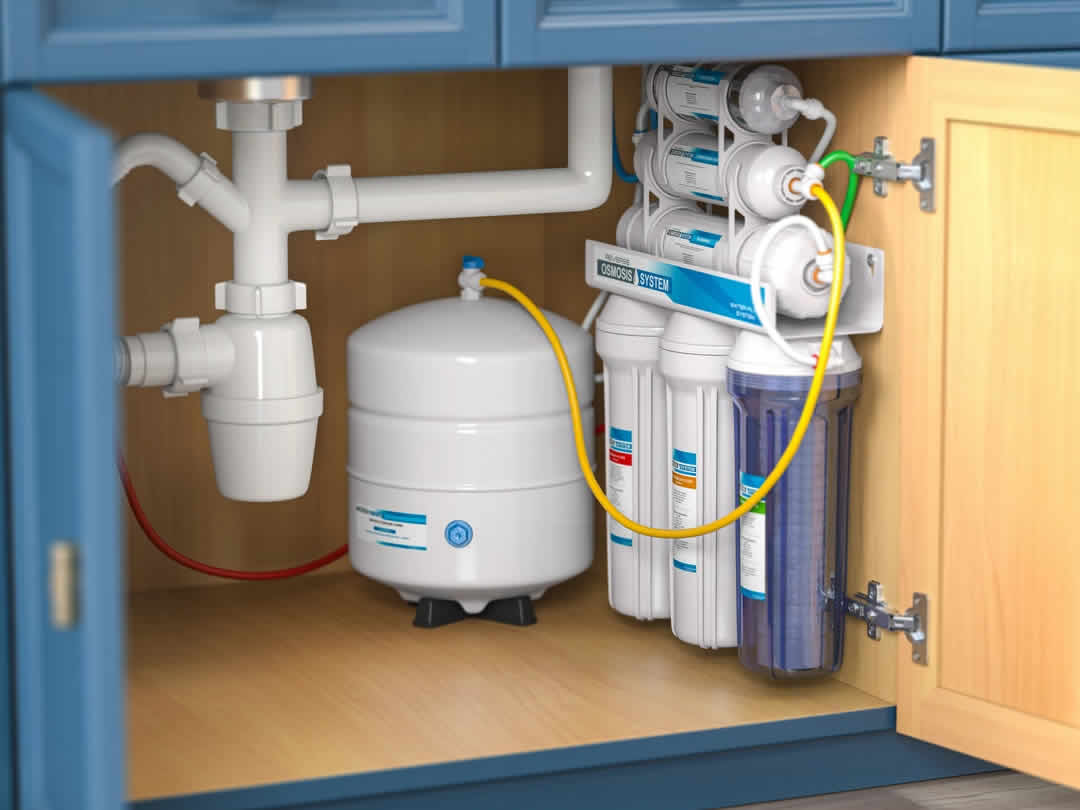 Under Sink Water Filter - Best Kitchen Setup - AllThumbsDIY.com
Practical Setup Wisdom
Before you buy, measure your under-sink space. Some filters are slim cylinders, others are squat tanks. Do a reality check: move your cleaning supplies and check for a power outlet if you’re going electric (some UV models need it).
Also, consider your water’s profile. Hard water? Grab a system with a sediment pre-filter. Odd taste? Go carbon-heavy. Many companies offer sample kits or online calculators to match you. It’s like a dating app for your pipes—no swiping required.
Maintenance is a breeze. Most filters twist off and on like a jar lid. Set a calendar reminder for replacement, and you’ll never accidentally drink from the “battery low” cycle again. Pro move: buy a filter subscription so it shows up automatically, like a hydration fairy.
The Ritual of the Tap
What I love most is the daily ceremony. Reaching for that dedicated filtered faucet, watching the stream run clear, knowing you’ve engineered a small sanctuary of clean in a chaotic world. It’s not just water—it’s a statement about caring for the details.
Think of it as the home version of renovating your soul. Every sip is a reminder that you afford yourself the best. And when guests spot your dedicated mini-tap and ask, “Ooh, what’s that?” you’ll feel like a lifestyle guru who’s just spilled the secret.
One Last Note
Under-sink filters aren’t for everyone. If you rent, check your lease—some systems are drill-friendly, others require landlord permission. But if you own your space, this is the luxury move that costs less than a weekend brunch habit.
Fun little fact: the average person drinks about 80,000 glasses of water in a lifetime. That’s 80,000 chances to choose clarity over traces of who-knows-what. Make every glass count. Your taste buds and kidneys will send a thank-you note.
So go ahead. Let the machine whisper under your sink, purified and ready. In a world of noisy notifications and uncertain news, a perfectly filtered glass of water might be the most honest thing you touch all day. Cheers to that.
