Water Softener Advantages And Disadvantages

Let’s be honest: unless you’ve moved to a new place and suddenly your hair feels like straw, you probably haven’t given much thought to the water flowing from your tap. But th...
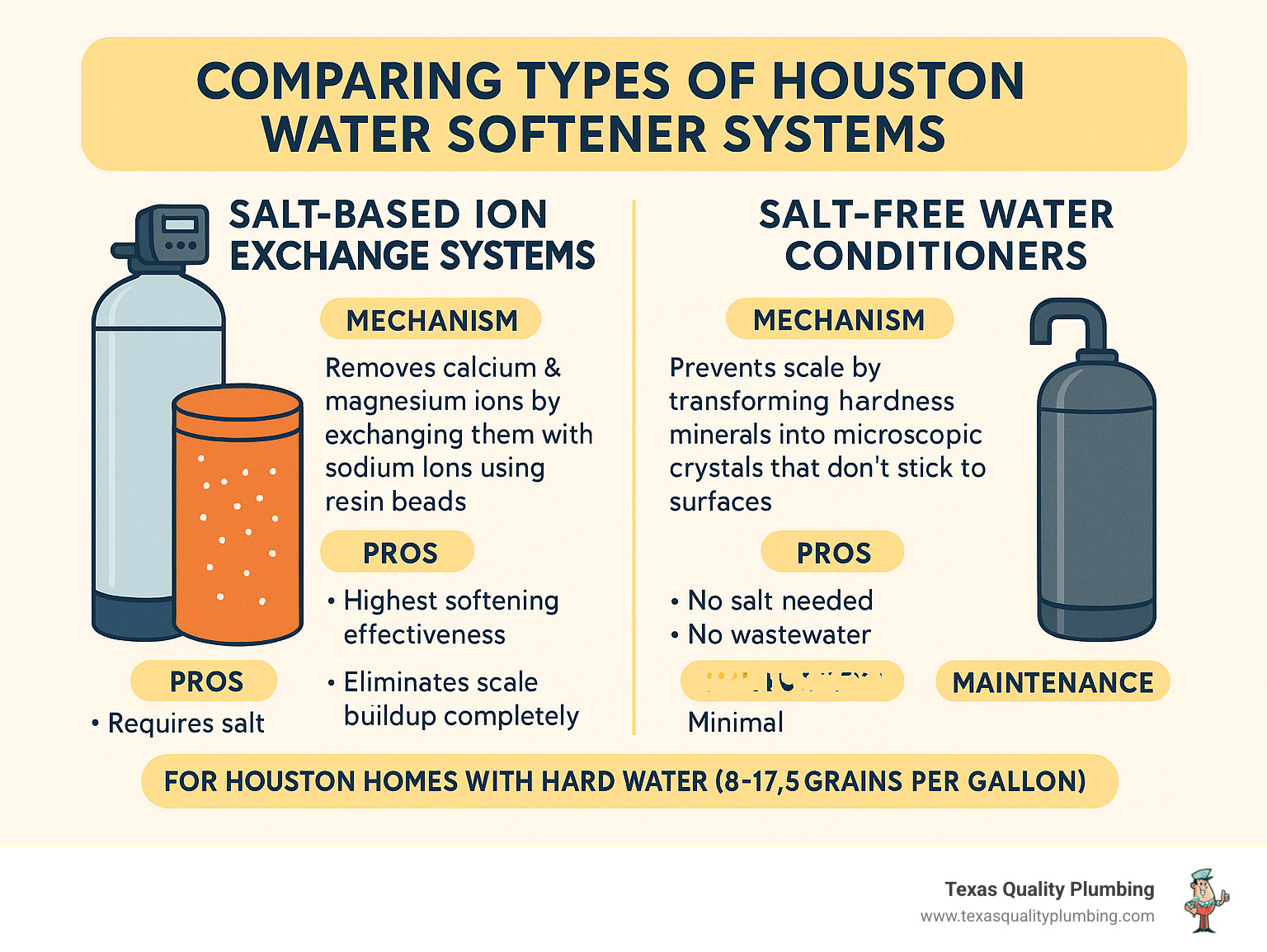
Let’s be honest: unless you’ve moved to a new place and suddenly your hair feels like straw, you probably haven’t given much thought to the water flowing from your tap. But that innocent-looking water might be hiding a secret—it could be hard water, packed with minerals like calcium and magnesium. It’s the reason your coffee maker has a chalky buildup, your shiny glasses come out looking cloudy, and your hands feel a little squeaky after washing them. That’s where a water softener comes in, and while it sounds like a magic fix, it’s a bit like adopting a pet—awesome in some ways, but it comes with a few messy realities.
The Sparkling Side: Why You Might Fall in Love
First, let’s talk about the good stuff, because it’s genuinely nice. Soft water makes your soap and shampoo lather up like a dream, so you use less product and your skin feels silky instead of tight. Imagine stepping out of the shower and not needing to slather on lotion just to stop your legs from itching—pure bliss.
Your appliances will thank you, too. That water heater that used to groan like an old man? Soft water helps it run more efficiently, potentially saving you money on energy bills because there’s no mineral sludge clinging to the heating elements. It’s like giving your dishwasher and washing machine a spa day, every single load.
Must Read
And let’s be real—clean dishes. You know those water spots that make your wine glasses look like they’ve been through a mud fight? Gone. Soft water leaves your glassware sparkling clear, which is oddly satisfying when you’re just trying to sip some lemonade on a Tuesday night.
The Gritty Reality: Not All Sunshine and Rainbows
Now, for the other side of the coin. A water softener isn’t a magic wand—it’s a machine that needs maintenance, and it can be a bit of a diva. You have to buy salt (yes, big bags of it) and lug it to the basement every few weeks, which is about as fun as folding fitted sheets. Forgetting to refill it means you’re back to hard water, and nobody wants that surprise mid-shampoo.
Here’s the part that makes people raise an eyebrow: soft water can feel, well, slippery. Some folks describe it as feeling like you can’t get the soap off your skin, even though you rinsed for ages. It’s a weird sensation, like washing with a wet silk scarf—it takes a week to get used to, and your spouse might side-eye the new water like it’s a prank.
Also, soft water isn’t great for your plants. Gardeners, take note—the salt in the softening process can build up in soil and upset your tomatoes or petunias. So you may need a separate tap outside for your garden hose, which feels a bit like having a fancy car you can only drive on Sundays.
The Salty Secret: What About Your Health?
Here’s the big question: is soft water safe to drink? Yes, for most people, it’s perfectly fine, but it does contain a little more sodium than hard water because of the ion exchange process. If you’re on a low-salt diet, you might want to think twice or install a reverse-osmosis filter for your drinking water. It’s not a dealbreaker, but it’s worth knowing—like ordering a salad but asking for dressing on the side.
On the flip side, hard water actually adds a bit of calcium and magnesium to your diet, which are good for bones. So by softening your water, you’re removing those natural minerals. It’s a trade-off: you get better showers and fewer spots, but you lose a tiny pinch of dietary goodness. Honestly, most of us get those minerals from food, so it’s not a huge loss—but it’s something to chew on.
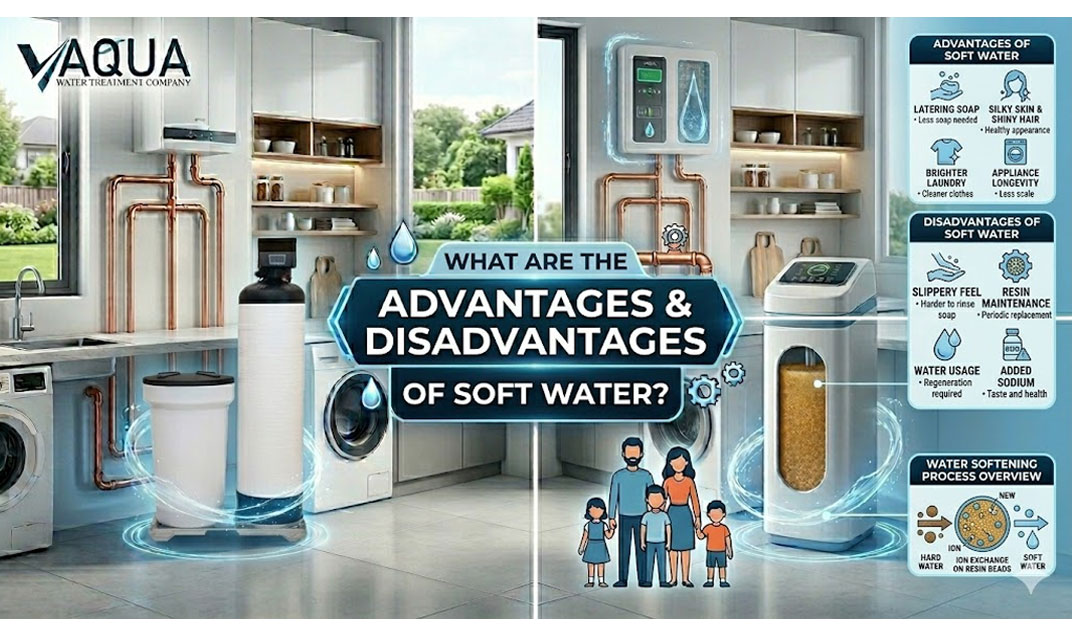 What Are the Advantages & Disadvantages of Soft Water? - V Aqua
The Cost Tango: Is It Worth the Wallet Hit?
Let’s talk money, because nobody wants to buy a gadget that eats their savings. A decent water softener can set you back a few hundred to over a thousand dollars, plus installation. Then there’s the salt and electricity—they’re not expensive, but they add up over the year. Think of it like buying a winter coat: it feels pricey upfront, but you’re grateful for it when the first cold snap hits.
However, you might save on other things. Hard water shortens the life of your pipes, faucets, and water heater, so a softener can actually delay costly repairs. It’s like paying for a gym membership to avoid a doctor’s bill later—you’re investing in longevity.
For a lot of folks, the convenience wins. No more scrubbing white flecks off your shower doors. No more buying fabric softener because your clothes feel like sandpaper. If you value that quiet comfort, the price tag might just be worth it.
So, Should You Get One?
Here’s my honest take: if you live in a place where the water leaves a crusty ring in your toilet bowl and your hair is frizzy no matter what, a water softener can feel like a miracle upgrade. It’s a small luxury that makes everyday chores a little nicer—like having a dishwasher that actually works.
But if you’re a gardening enthusiast, on a strict low-sodium diet, or hate the idea of carrying heavy salt bags, you might want to skip it or look into alternative systems like a salt-free conditioner. It’s not a one-size-fits-all solution, and that’s okay.
In the end, a water softener is like that friend who always brings snacks to movie night—mostly wonderful, but they also talk through the whole film. You have to weigh the pros and cons for your own home. So grab a glass of tap water, stare at it, and ask yourself: is this water my friend, or my frenemy? The answer might surprise you.
