What Kind Of Water To Mix With Baby Formula

So, you’re in the newborn trenches. It’s 3 AM, the baby is screaming like a tiny, adorable air-raid siren, and you’re staring at a can of formula like it’s a sacred text writt...
:max_bytes(150000):strip_icc()/what-water-to-use-for-formula-284337_nologo-f7d42a0346ca4badb0cae16e078d6c70.png)
So, you’re in the newborn trenches. It’s 3 AM, the baby is screaming like a tiny, adorable air-raid siren, and you’re staring at a can of formula like it’s a sacred text written in hieroglyphics. You’ve got the powder, the bottle, and now the universe demands you answer a question that feels way too philosophical for this hour: What kind of water do you mix with this stuff?
Let’s be real. Nobody tells you that half of new parenthood is just becoming a water sommelier for a person who can’t even say “thank you.” You thought you were done with chemistry after high school, but here you are, debating the mineral content of tap versus spring water like it’s a high-stakes wine tasting.
The Tap Water Tango
Your kitchen tap is the easiest option—it’s right there, free, and doesn’t require a trip to the store while you’re wearing yoga pants that haven’t seen a gym since 2019. But here’s the catch: tap water is a lottery. Some towns have water so clean you could bottle it and sell it to hipsters; other towns have water that tastes like a swimming pool and a rusty pipe had a baby.
Must Read
The big bad wolf here is fluoride. Yes, it’s great for adult teeth, but too much of it can mess with a baby’s developing pearly whites. Also, let’s not forget the lead boogeyman, especially if you live in an older house. Before you start mixing, run the cold tap for a solid 30 seconds to flush out anything that’s been lounging in the pipes overnight. It’s like giving your plumbing a polite, “Excuse me, Sir, the baby needs the good stuff.”
The Boiling Ballet
If you’re using tap water, the golden rule for the first three months is to boil it. Let it cool for no more than 30 minutes—you don’t want it hot enough to cook the formula, but you don’t want it so cold that the powder turns into little clumpy icebergs. I once used water that was barely lukewarm, and the formula looked like it was having a personal crisis—all lumpy and defeated. It’s a vibe, and not a good one for your baby’s tummy.
The Bottled Water Circus
Ah, bottled water. The hero of convenience, the villain of eco-guilt. You grab a jug from the store, feeling smug, until you read the label and realize it says “natural spring water.” Great! Except, does it have sodium? Does it have sulfates? You are now a detective, squinting at tiny font while your toddler is licking a cartwheel.
The cardinal rule: never use distilled water. Distilled water is the boring, flavorless cousin at the party—it has no minerals at all, and your baby’s formula needs those little nutrients to grow a brain that can one day annoy you with questions about dinosaurs. Also, look out for “nursery water.” It’s just tap water in a fancy bottle with a higher price tag. It’s like buying a “baby” avocado that’s exactly the same as a regular avocado, except it costs two dollars more. Don’t fall for it.
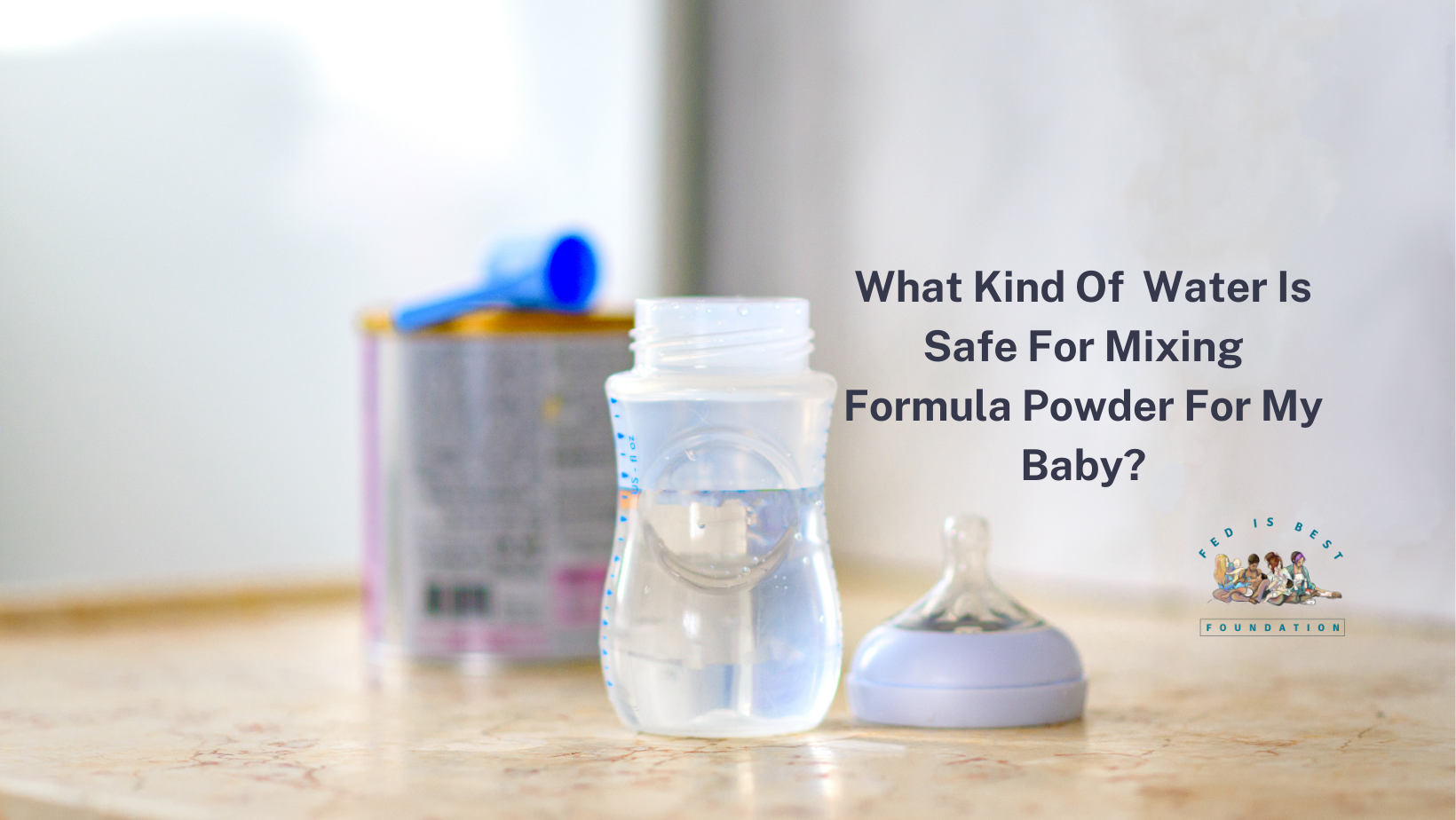 Water For Baby Powder Formula at Barbara Fowler blog
The “Purified” Hustle
Purified water is a safer bet, but check the label for reverse osmosis or deionization. These are fancy words for “we filtered the weird stuff out.” It’s the water equivalent of putting on a clean pair of socks—safe, predictable, and unassuming. Just make sure it’s fluoridate-free for babies, unless your pediatrician gives you the thumbs-up for a tiny squirt of fluoride later on.
The “Well, Isn’t This Awkward” Scenario
What if you have well water? Oh boy. Well water is the wild card of the water world. It might be delicious, or it might be packed with iron, nitrates, or bacteria that can make a grown man weep. If you’re on a private well, you really need to get it tested. Don’t just assume it’s fine because it tastes good—your taste buds are not a water lab. You wouldn’t trust a squirrel to fly your plane, so don’t trust your tongue to test well water for a newborn.
I once tried to use fancy sparkling water because I was out of everything else. Spoiler alert: do not use sparkling water. The baby looked at me like I had handed them a tiny, fizzy monster. They just burped, cried, and gave me a look that said, “What is wrong with you, human?” Lesson learned.
The Final Pour
The real secret? Cool, boiled tap water is the MVP for most families. It’s cheap, it’s safe if you boil it, and it’s always in supply. If you’re in a rush or traveling, grab a gallon of low-fluoride purified water and call it a day. Your baby doesn’t care if the water came from a mountain spring or your faucet—they just want a warm meal and a clean diaper.
So, the next time you’re standing in the kitchen at 2 AM, holding a bottle and looking at three different water sources like a confused wizard, just remember: you’ve got this. Boil it, cool it, mix it, feed it. And if all else fails, use the water you have, apologize to the baby, and know that every parent has accidentally used the wrong water at least once. Welcome to the club. The water is fine—mostly.
:max_bytes(150000):strip_icc()/what-water-to-use-for-formula-284337_nologo-f7d42a0346ca4badb0cae16e078d6c70.png&description=What+Kind+Of+Water+To+Mix+With+Baby+Formula)