Difference Between Soda Water And Sparkling

The fizzy debate is real, and it's happening at every bar and brunch table. You've been there: "I'd like a sparkling water, please," only to get a wide-eyed look from the bart...
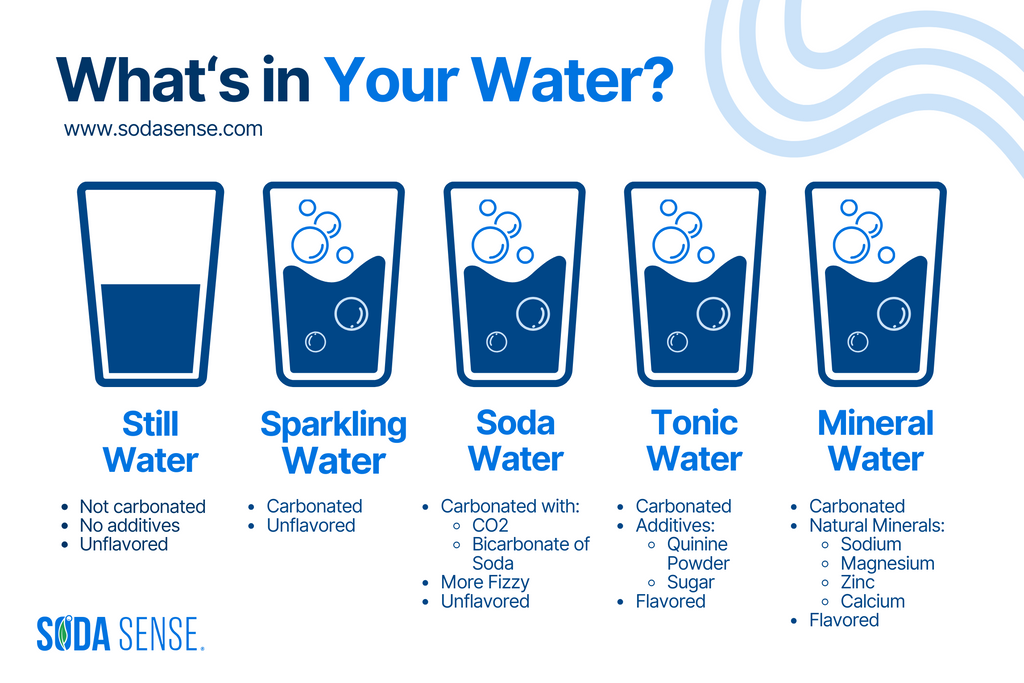
The fizzy debate is real, and it's happening at every bar and brunch table. You've been there: "I'd like a sparkling water, please," only to get a wide-eyed look from the bartender. So let’s settle this once and for all—soda water and sparkling water are not the same thing. Understanding the difference is the secret to ordering like a pro and sipping smarter.
The Bubbly Breakdown: What Actually Separates Them?
At its core, the difference is ingredients and origin. Soda water is artificially carbonated water that has added minerals—like potassium sulfate, sodium chloride, or potassium bicarbonate—to mimic the taste of natural spring water. Think of it as the synthetic cousin of the fizzy family.
Sparkling water, on the other hand, is a broader category. It includes naturally sparkling water (like Perrier or San Pellegrino) that gets its carbonation from volcanic springs or underground sources. It can also be club soda or seltzer, but true "sparkling" often implies a natural effervescence that soda water lacks.
Must Read
Here's the kicker: soda water almost always contains added sodium. Most brands use salt to enhance flavor, which is why a splash of soda water tastes slightly tangy and minerally. If you're watching your salt intake, this is a detail that matters more than you'd think.
What About Tonic Water? (No, That's Not Sparkling)
This is where people get tripped up. Tonic water contains quinine and sugar, making it a completely different beast. It’s not a swap for soda or sparkling water—it’s a cocktail mixer with a bitter kick. You wouldn’t sip tonic straight, but like to drink club soda with a lemon wedge.
The Cultural Context: Why We Care
In Italy, ordering "acqua frizzante" means you're getting naturally sparkling water—it’s a point of pride. In America, the word "sparkling" has become a catch-all, often used interchangeably with seltzer (which is just plain carbonated tap water with no added minerals). This linguistic chaos is why your cocktail might end up tasting salty when you wanted crisp.
Then there's the brunch crowd. Instagram influencers love to pose with a can of LaCroix or Topo Chico, but those are seltzers—not soda water. Topo Chico actually originates from a mineral spring in Mexico, making it a naturally sparkling water. That’s why it has a cult following.
Practical Tip: Read the Label Like a Detective
Next time you're at the store, look for "carbonated water" on the ingredient list. If it says "mineral water" and lists natural carbonation, it's sparkling. If it mentions "sodium bicarbonate" or "potassium sulfate," it's soda water. This simple habit saves you from adding unnecessary minerals to your hydration routine.
The Taste Test: Soda Water vs. Sparkling
Blindfolded, most people can’t tell the difference—but your palate knows. Soda water has a sharper, more metallic finish because of the added bicarbonates. Sparkling water feels softer, rounder on the tongue, almost like a gentle fizz that hugs your mouth. If you like a bold, crisp bite, go for soda water. If you want something elegant and smooth, choose a natural sparkling water.
 Benefits Of Water Vs Soda 12 Surprising Natural Health Benefits Of
Here’s a fun fact: The pH of soda water is slightly more acidic due to the carbonic acid formed from CO2. That extra acidity is what gives it that zing, but it can also erode tooth enamel over time. Sparkling water is acidic too, but less corrosive overall—especially if it’s mineral-rich and buffered by calcium.
Where They Shine in Cocktails
For a gin and tonic, use soda water to complement the botanicals with its minerally sharpness. In a spritz or a mocktail, opt for natural sparkling water to let fruit flavors breathe. And if you're making a highball—whiskey or vodka—soda water is the standard for its clean, dry finish. Learn this, and every bartender will nod in approval.
Cultural References: Soda as Social Status
In the 1950s, soda fountains were the hub of teenage rebellion—a place to nurse a cherry Coke and pretend to be cool. Today, ordering a San Pellegrino in a fancy restaurant signals you have taste (and maybe a higher tab). Meanwhile, ordering a generic "club soda" at a dive bar is about as low-fi as it gets. Soda water is the working class hero of bubbles.
Even Hollywood knows this. In movies, the villain sips a martini with a twist—but the cool, collected lead drinks sparkling water on the rocks. It’s the non-negotiable sign of sophistication without the hangover.
Fun Fact: The Bubbles Are Not All the Same
Did you know that the size of the bubbles changes the mouthfeel? Soda water typically produces large, aggressive bubbles that escape faster—think of the hiss of a cola can. Natural sparkling water has tiny, persistent bubbles that cling to the glass and release slowly. That’s why sipping Perrier feels almost velvety compared to the sharp pop of club soda.
A Short Reflection Tied to Daily Life
The next time you reach for a fizzy drink, pause and think about what you truly want. Are you craving a clean rush of hydration for your afternoon slump? Reach for sparkling water. Need a crisp mixer that adds a punch of personality? Soda water is your friend. This small choice isn’t just about taste—it’s about attention to detail. And in a world that moves at full speed, paying attention to the bubbles is a beautiful act of slow living. Cheers to that.
