Activated Carbon Filters For Drinking Water

Let’s be honest: tap water can taste like a swimming pool’s rebellious cousin. You know that faint, chemical twang that makes you wonder if your glass is actually a petri dish...
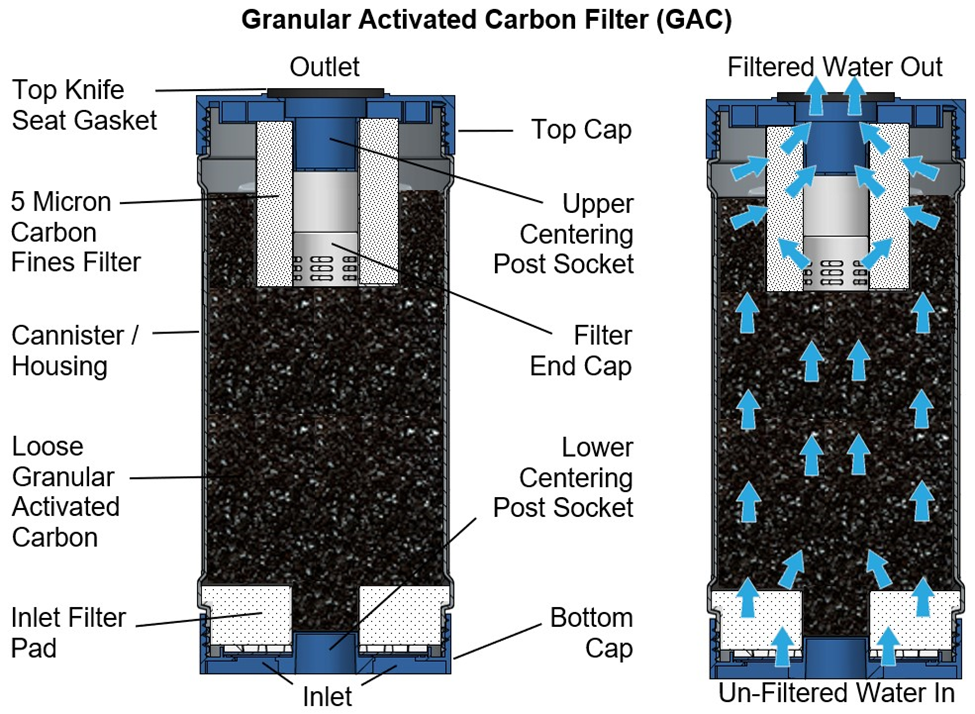
Let’s be honest: tap water can taste like a swimming pool’s rebellious cousin. You know that faint, chemical twang that makes you wonder if your glass is actually a petri dish? That’s where activated carbon filters come in, ready to save your taste buds from a watery tragedy.
These little black nuggets are basically the bouncers of your kitchen faucet. They grab nasty stuff like chlorine, sediment, and mysterious “off-flavors” and kick them to the curb. It’s like a tiny, non-judgmental superhero for your H2O.
What Even Is Activated Carbon? (And Why Is It So Angry?)
Activated carbon is just charcoal that went to extreme boot camp. They heat it up so high that it becomes a network of microscopic pores—think of it as a sponge with rage issues.
Must Read
One gram of this stuff has a surface area bigger than a football field. Seriously. That’s why it traps impurities like a gossipy aunt trapping secrets at a family reunion.
Those pores don’t just sit there looking pretty. They adsorb chemicals (stick to them, not absorb like a sponge) until the filter is basically stuffed full of grossness. When it’s full, you get sad, untreated water again.
The Shocking Truth: What It Actually Removes
Activated carbon is a beast at removing chlorine, bad tastes, and odors. But it has a dark side: it’s terrible at removing heavy metals, salt, or fluoride. Don’t ask it to do things it wasn’t trained for.
If your water tastes like a public pool that hasn’t been drained since 2004, carbon is your BFF. But if you’re worried about lead or chromium, you’ll need a different filter—or a therapy session for your paranoia.
Here’s a wild fact: carbon filters can trap viruses if they’re tiny enough, but not all of them. So no, your Brita isn’t a substitute for a flu shot. Please keep washing your hands.
Pitcher, Faucet, or Whole-House Circus?
You have options: a pitcher (the lazy college kid approach), a faucet-mounted unit (looking like a sci-fi gadget), or a whole-house system (for when you want every shower to taste like a mountain spring). Each one is a different level of commitment.
Pitchers are cheap and cute, but they take forever to filter a single glass. Faucet-mounted ones are faster, but they can make your tap look like a robot octopus is trying to escape.
Whole-house systems are the overachievers. They cost real money and require a plumber who might judge your pipe setup. But they do make your washing machine water smell like rainbows.
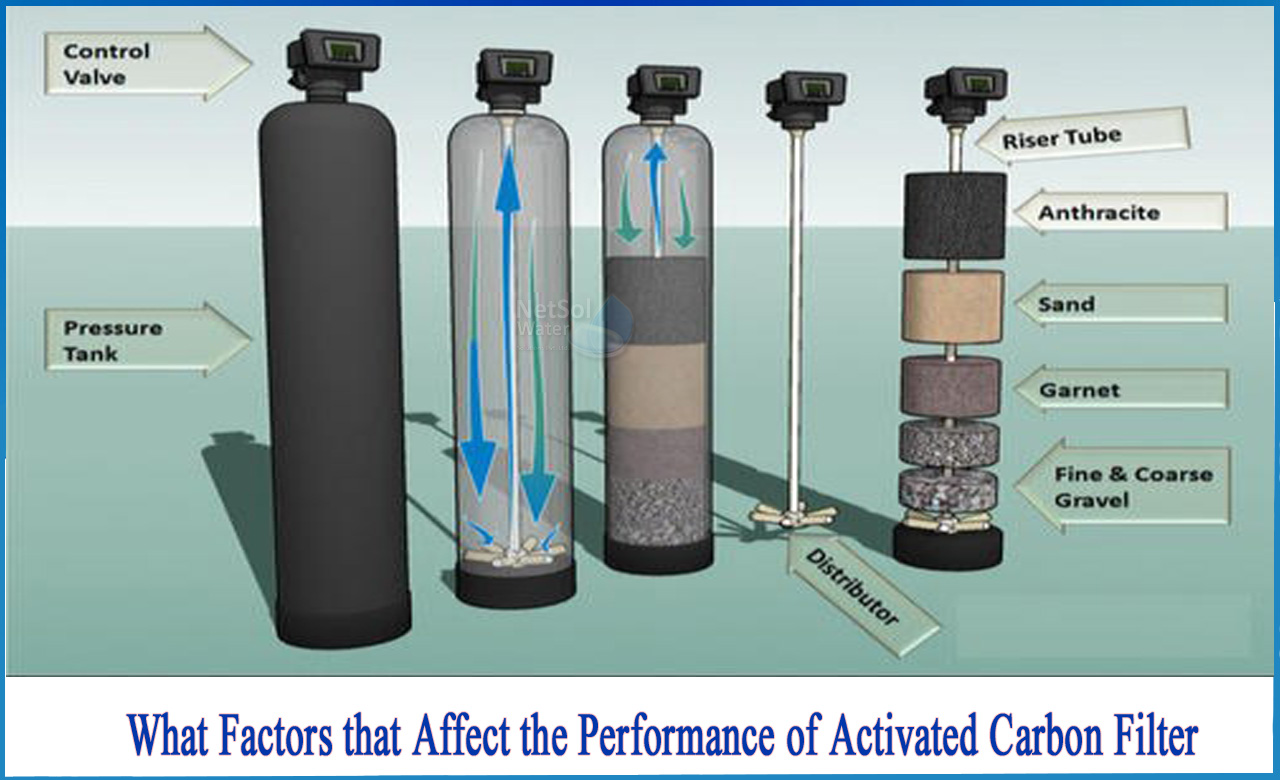 Activated Carbon Water
The “Ah-Ha!” Moment: Surprising Uses
Did you know you can use activated carbon to de-stink your fridge? Yep, the same stuff that makes your water drinkable can also make your leftover fish less terrifying. Just don’t mix them up.
Some people even use carbon filters for making whiskey or coffee. Yes, that fancy “cold brew” you bought? It probably ran through a carbon filter. You’re basically a distiller now.
Also, be careful: if you put a dirty carbon filter in your fish tank, your goldfish might start making conspiracy theories about the bubbles. (Okay, that’s a lie. But it sounds plausible.)
The Maintenance Horror Show
You have to change your filter regularly. I know, I know—it’s like changing a light bulb but less satisfying. But if you don’t, that trapped bacteria can become a funky microbe rave in your filter.
Imagine drinking water that’s been sitting on a party of rotting organic matter. That’s what happens when you ignore “Replace filter every 60 days.” Your water will taste like regret.
Most filters last 40 to 100 gallons, or about the same lifespan as a bag of kale in your fridge. Mark the date. Set an alarm. Your taste buds will thank you.
The Final Sip: Is It Worth It?
Absolutely yes, for taste. Carbon filters are the cheapest way to make tap water go from “meh” to “Mmm.” They’re not magic, but they’re close.
Just remember: they won’t remove radioactive isotopes or bad luck. But they will make your morning glass of water less like a science experiment and more like a pleasant human experience.
So go ahead, buy a filter. Your tap will finally stop tasting like a disappointed parent. Cheers to that—and to not drinking pool water ever again.
