Uv Water Treatment For Rainwater Harvesting

So, you’ve decided to capture the sky’s free refreshment. You’ve got rain barrels, a filtration system, and plans to water your prize-winning petunias. But hold your horses—or...
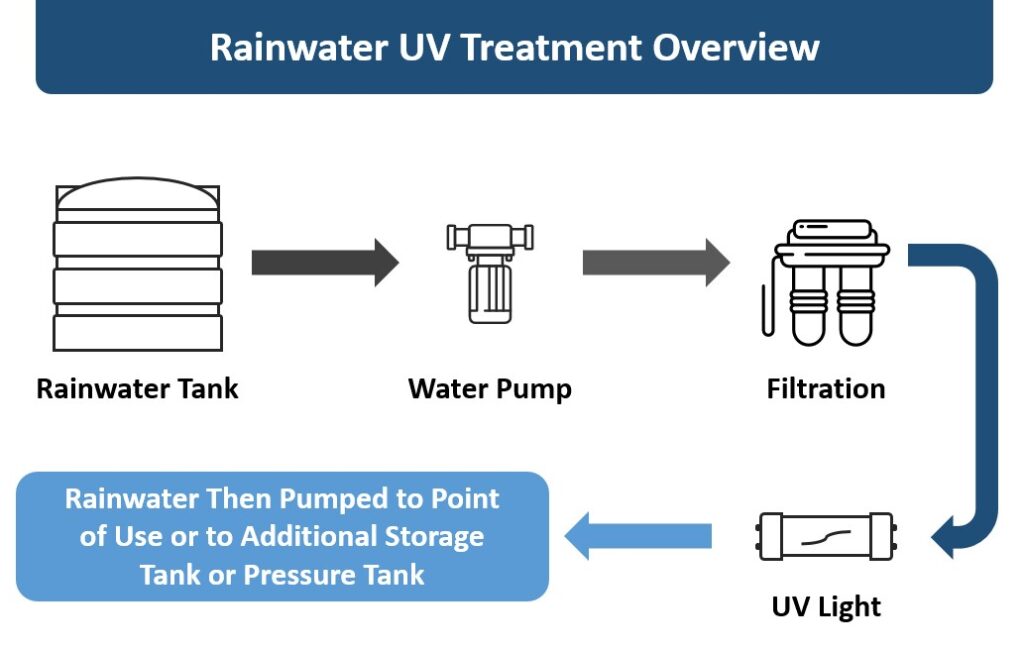
So, you’ve decided to capture the sky’s free refreshment. You’ve got rain barrels, a filtration system, and plans to water your prize-winning petunias. But hold your horses—or your watering can—because there’s a hidden villain in that crystal-clear water. It’s not toxic sludge, but tiny, invisible party crashers: bacteria, viruses, and protozoa.
Rainwater, despite its heavenly origin, picks up a microbial entourage from your roof: bird droppings, dead bugs, and the occasional squirrel sneeze. You wouldn’t drink from a puddle on the sidewalk, right? Well, your cistern is basically that puddle, but with a nicer plastic lining. This is where UV water treatment comes in—like a tiny, spiteful sun for your water supply.
What on Earth is UV Water Treatment?
Imagine a lightbulb that has a vendetta against germs. That’s a UV system in a nutshell. It uses ultraviolet light—the same stuff that gives you a sunburn, but trapped in a metal tube—to obliterate the DNA of microbes. No DNA? No reproduction. No reproduction? Dead microbes. It’s like a laser tag arena for germs, and they all lose.
Must Read
Here’s the kicker: UV doesn’t add chemicals or change the taste of your water. No chlorine aftertaste, no weird smell. It’s pure, passive-aggressive annihilation. Your water goes in, gets zapped, and comes out looking exactly the same, but now it’s safe enough to drink—or at least safe enough to wash your face without expecting a third eyeball to sprout.
Why Rainwater Harvesting Needs This Overachiever
Rain barrels are great for your garden, but if you want to use that water indoors—flushing toilets, washing clothes, or maybe even drinking if you’re feeling adventurous—you need to nuke the nasties. Filtration alone won’t cut it. A basic filter catches dirt and leaves but lets microscopic hijackers slip right through. UV serves as the bouncer for the microscopic nightclub that is your water tank.
The surprising fact? UV treatment is about 99.99% effective against bacteria and viruses. That’s four nines of certainty. To put it in perspective, that’s more reliable than your uncle promising he’ll be on time for Thanksgiving dinner. It’s also cheaper over the long run than buying bottled water, and you don’t have to wrestle a plastic jug out of a grocery store cart.
Installing It: Easier Than Assembling IKEA Furniture
You don’t need a degree in plumbing to set this up. A UV system is basically a cylinder with a lamp inside that you splice into your rainwater pipe after your final filter. The water flows past the lamp, gets blasted with radiation, and comes out squeaky clean. It’s a one-trick pony, but it’s a really good trick.
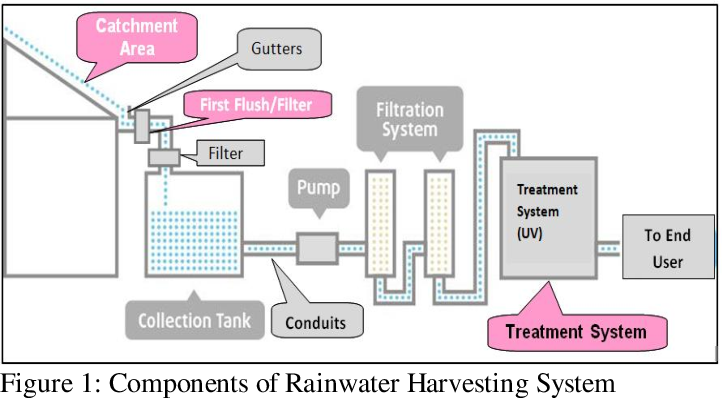 Figure 1 from ULTRAVIOLET DISINFECTION OF POTABLE WATER IN RAINWATER
Just remember: the UV lamp is a high-voltage diva. It needs electricity, so you’ll need an outlet nearby. And it hates cloudy water. If your rainwater looks like pea soup from silt, the UV rays can’t penetrate, and the germs survive to party another day. That means you need pre-filtration—like a sediment filter—to give the UV a fighting chance. It’s like giving your superhero a clear line of sight to the villain.
A Few Critical Warnings (Dad Joke Edition)
Don’t look directly at the UV lamp when it’s on. It’s not magic; it’s real light that can sunburn your retinas. You’ll only make that mistake once—and then you’ll see spots for a week. Also, replace the lamp every year, even if it still glows. The UV output degrades over time, like your enthusiasm for New Year’s resolutions. A dead lamp is just a fancy piece of glass.
Another pro-tip: if the power goes out, so does your water treatment. No electricity, no zapping. Keep a backup plan—like a small generator or a few gallons of boiled water—for doomsday scenarios. Or just drink cloudy water for a day and hope your gut flora puts up a fight. (I don’t recommend this.)
The Final Verdict: Should You Do It?
Absolutely, yes. If you’re collecting rainwater for anything beyond watering petunias, UV treatment is the cheapest insurance policy against a bad case of the runs. It’s simple, effective, and makes you feel like a mad scientist every time you flick the switch. Plus, you get to brag at parties. “Oh, this glass of water? I harvested it from the sky, filtered it, and then blasted it with ultraviolet death rays.” People will either be impressed or slowly back away.
Either way, you win. So go ahead, set up your rain barrel, buy a UV system, and enjoy your chemically-free, microbe-free, slightly obnoxious water supply. Your garden will thank you. Your gut will thank you. And that one pigeon on your roof? He’ll never know his legacy of doom has been erased by a very angry lightbulb.
