Water Leak Outside House Who Is Responsible

You’re sipping your morning coffee, gazing at the lawn, when you spot it: a shimmering patch of water where no water should be. Your neighbor’s sprinkler? A burst main? A secr...
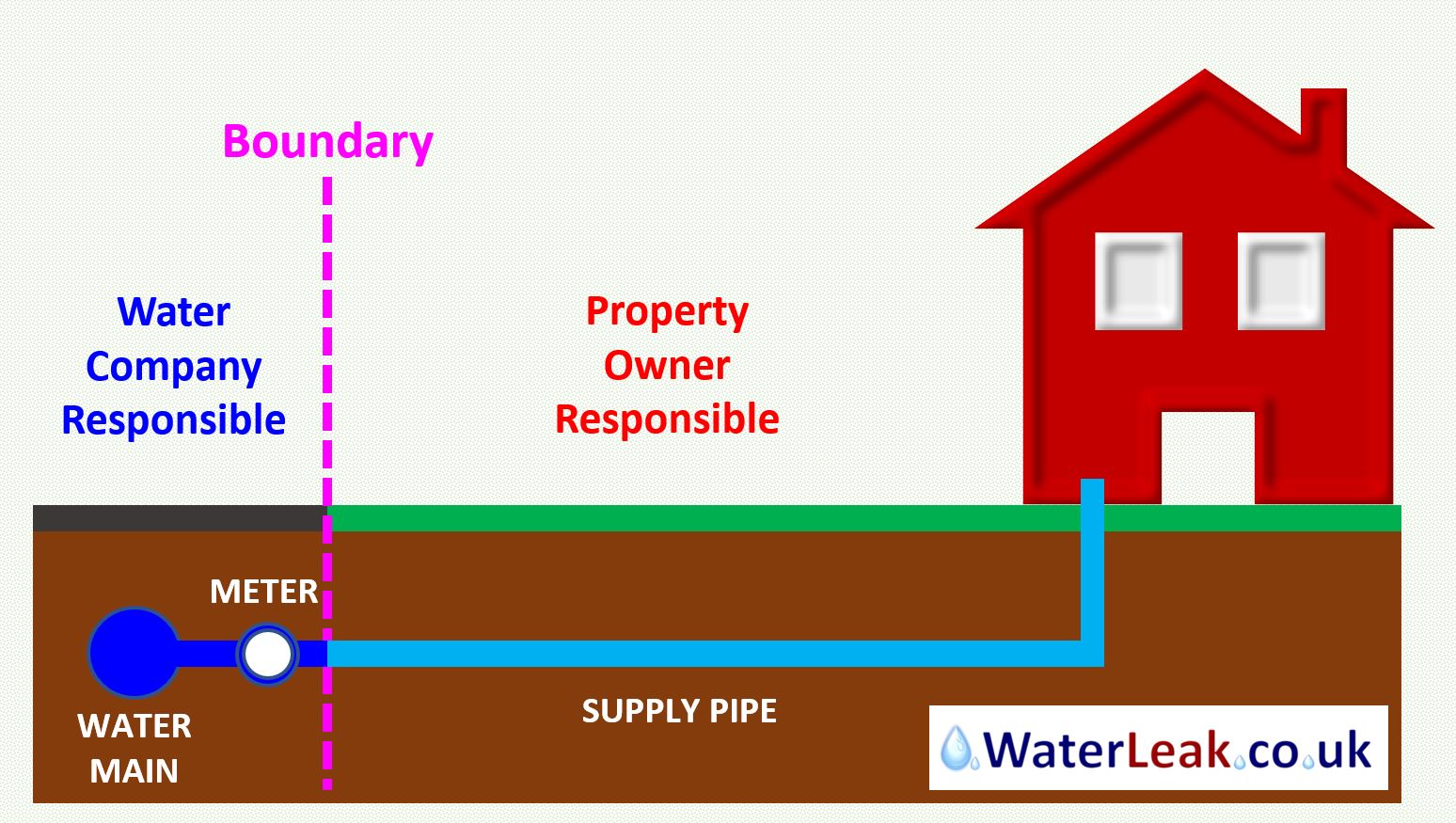
You’re sipping your morning coffee, gazing at the lawn, when you spot it: a shimmering patch of water where no water should be. Your neighbor’s sprinkler? A burst main? A secret underground river? Before you panic, take a breath—this water leak outside your house is a classic suburban plot twist. Let’s get to the bottom of who’s responsible, with a little style and a lot of practical sense.
The Blame Game: Municipal vs. Private Property
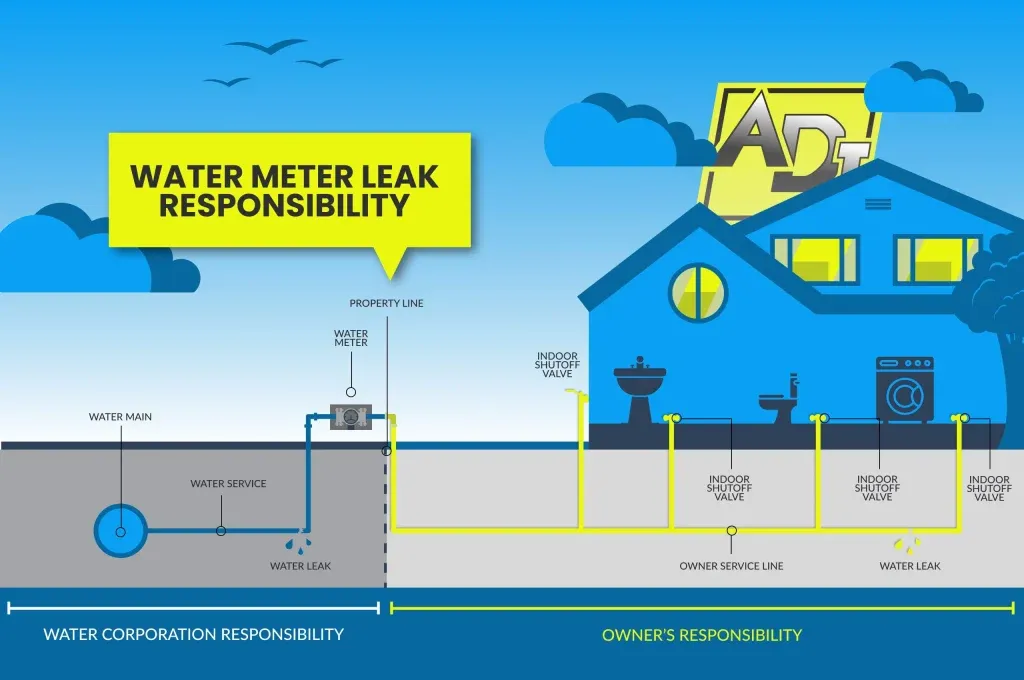
Here’s the first hard truth: property lines are the great divide. Any leak on your side of the water meter—like a broken pipe under your driveway—is your problem. Leaks on the city’s side, like a busted main in the street, belong to the municipality. It’s a bit like splitting the bill at dinner: you pay for what you ordered, not your neighbor’s lobster.
But wait—what if the leak is right at the meter? That’s the gray zone, a no-man’s-land of responsibility. In many towns, the meter itself is the city’s, but the pipe connecting it to your house is yours. Check your local water utility’s map; it’s less thrilling than a treasure hunt, but infinitely more useful.
Must Read
Fun fact: In ancient Rome, water leaks were blamed on the gods—specifically Neptune. Today, we blame shifting soil, tree roots, and bad pipe glue. Progress is weird.
Reading the Wet Tea Leaves: Clues for the Curious
Grab a flashlight and become a water detective. Is the leak near a municipal fire hydrant? That shouting match with the city is free. Is it bubbling up from a crack in your concrete walkway? Brace yourself—that’s likely a private pipe, and your wallet is about to take a hit.
Look for the telltale signs: mushy grass that feels like a waterpark, a sudden drop in your water pressure (like your shower turning from a massage to a drizzle), or a mysterious green patch that’s greener than the rest of your lawn. These aren’t omens; they’re evidence.
Pro tip: Check your water bill. A sudden spike is the universe’s way of screaming, “You have a leak!” It’s less poetic than a raven at the window, but equally ominous.
The “Who to Call” Hierarchy
First, call your local water utility—they usually handle leaks up to the property line, and they’ll send a crew to check the street side. If they shrug, it’s time to dial a licensed plumber. Don’t call your landscaper; they’ll just offer to plant a weeping willow over the puddle.
For leaks in shared driveways or condo complexes, this gets dicey. Check your HOA covenants—they’re the legal equivalent of a bad rom-com script, but they often split costs 50/50. If a tree root from your neighbor’s yard has invaded your pipe, you might be in a legal standoff worthy of a Netflix drama.
Cultural reference: Remember in Parks and Recreation when Leslie Knope dug up a park to fix a water main? That’s municipal responsibility—and a lesson in enthusiasm. Your leak probably won’t require a town hall meeting.
Emergency Hacks: What to Do While You Wait
Turn off your main water valve—usually near the street or in your garage. It feels dramatic, like pulling the emergency brake on a runaway train. Then, document everything: take photos, video the pooling, and note the time. Insurance companies love a good paper trail.
If the leak is minor, place a bucket under the drip and channel your inner MacGyver. A rubber patch kit from a hardware store can buy you 24 hours, but don’t get cocky—this is a temporary fix, not a lifestyle. Call a pro before you flood your crawlspace.
 Section 75 Notice: Protecting Yourself After a Water Leak | ADI Leak
Fun fact: The world’s largest water leak was accidentally caused by a gold miner in 1900 who hit a river pipe in Australia. The gush lasted three days. Your situation is almost certainly less epic.
When Good Neighbors Become Bad Plumbing Partners
If the leak is on shared property—a pipe between two houses, for example—discuss it calmly. Blaming your neighbor is like blaming a flat tire on the pothole: it’s about fixing it, not assigning fault. Offer to split the plumber’s cost and bring coffee to the negotiation.
Legally, if a leak from a neighbor’s property damages yours, you may have a case. But first, send a nice note, not a lawsuit. Most people would rather pay for a repair than deal with a feud over a water bill. Think of it as the social contract meets practical hydrology.
Pro tip: Offer to let them use your hose during the repair. It’s a small gesture that turns a conflict into a community moment. You might even bond over shared disdain for the local utility company.
The Silver Lining: Prevention Over Repair
Once the leak is fixed, think like a plumber poet: prevention is cheaper than romance with a plumber on a weekend. Install a water shutoff valve near outdoor faucets, and flush your outdoor pipes seasonally to prevent winter cracks. It’s like flossing—annoying, but you’ll thank yourself later.
Use a soil test kit to check for acidic ground that corrodes pipes. Tree roots are the top culprit—keep them 10 feet away from your water line. Imagine them as tiny, thirsty octopi with a grudge against your plumbing.
Fun fact: The term “plumber” comes from the Latin plumbum, meaning lead—the metal once used for pipes. Today, we use copper and PVC, which is less poetic but far less toxic.
Reflection: The Leak as a Life Lesson
Every water leak is a reminder that our homes are fragile systems, held together by joints and luck. The stress of figuring out responsibility fades, but the habit of staying calm under pressure sticks. Next time you sip that coffee, look at your lawn with a little more respect—it’s not just grass; it’s a network of hidden stories.
And if the leak returns? Laugh it off, call the plumber, and tip them well. They’re the keepers of your domestic peace, one wrench turn at a time.
