How Do You Turn Off The Water To Your House

Alright, let’s talk about a secret superpower every homeowner should have: knowing how to turn off your house’s water. It’s not rocket science, but it can save you from a sogg...
Alright, let’s talk about a secret superpower every homeowner should have: knowing how to turn off your house’s water. It’s not rocket science, but it can save you from a soggy disaster. Trust me, your future self will high-five you for reading this.
Why You Need This Superpower
Picture this: it’s 2 a.m., you’re half-asleep, and a pipe bursts like a party balloon that’s had way too many jokes. Without knowing the shut-off, you’ll be doing the “panic paddle” through your living room. But with this knowledge, you’ll be the calm hero in your own blockbuster.
This isn’t just about big emergencies, either. Leaky faucets, running toilets, or that time your kid uses the garden hose as a water slide inside the house—all solved by one simple twist. You become the water whisperer, and that’s a title worth having.
Must Read
First Stop: The Main Water Shut-Off Valve
This is the big boss, the master switch for all the water in your castle. It’s usually located where the main water line enters your house. Think basement, crawl space, or near your water heater—sometimes it’s cheeky and hides in a garage.
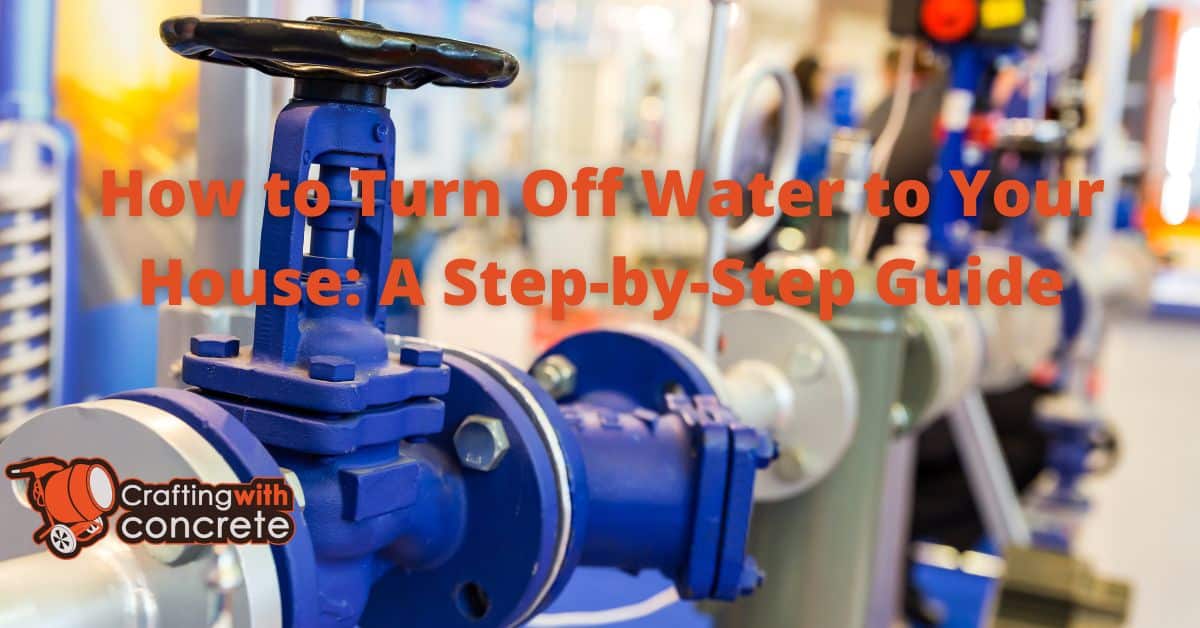
Look for a round wheel (like a steering wheel for ants) or a straight lever (like a small, metal wing). If you see a wheel, turn it clockwise (righty-tighty) to shut it off. For a lever, just flip it perpendicular to the pipe—that’s the “nope, not today” position.
Pro-tip: test it now, not during a flood. Go find it, give it a gentle turn (not full blast—just a quarter twist to confirm it moves). Then turn it back on. You’ve just practiced your hero move without any wet shoes.
What If the Valve is Stuck?
Don’t panic! Old valves can get stubborn, like a cat who refuses to get off the warm laptop. If it won’t budge, never force it with a hammer—that’s a quick way to create a indoor waterfall.
Instead, spray it with a little penetrating oil (WD-40 works in a pinch), wait five minutes, and try again. If it still won’t move, call a plumber. They have the gentle touch and the strong arms to handle it without drama.
Backup Stars: Individual Fixture Shut-Offs
Why turn off the whole house if only your sink is acting dramatic? Under every sink and behind every toilet, there’s a tiny valve just for that fixture. Look for a small, oval handle or a little chrome lever right where the water line connects to the wall.
Twist that little handle clockwise (righty-tighty again!), and bam—that sink is on its own time-out. The rest of your house still has water for showers, coffee, and washing your hands after you laugh too hard at this article.
Remember: these are for small jobs. Fixing a leaky faucet? Use this. Replacing a toilet flapper? This is your friend. But for a burst pipe, always go back to the big boss valve first. Safety first, giggles second.
When in Doubt, Look Outside
Can’t find a valve inside? No problem—your house might be an overachiever with an exterior shut-off. Check near your foundation or in a meter box (that little metal or plastic lid in your yard).
 How To Turn Off Water To Your House: Todays Sunday Skill
Peek under the lid carefully—sometimes critters think it’s their spa. You’ll see a meter and a valve. You might need a special wrench (called a curb key) to turn it. If you don’t have one, a long, flat-head screwdriver can sometimes work, but be gentle.
This is your nuclear option. Only use this if your indoor valve is broken, or if you’re evacuating for a hurricane and need to really lock things down. It’s powerful, so respect it.
Little Tricks to Remember the Location
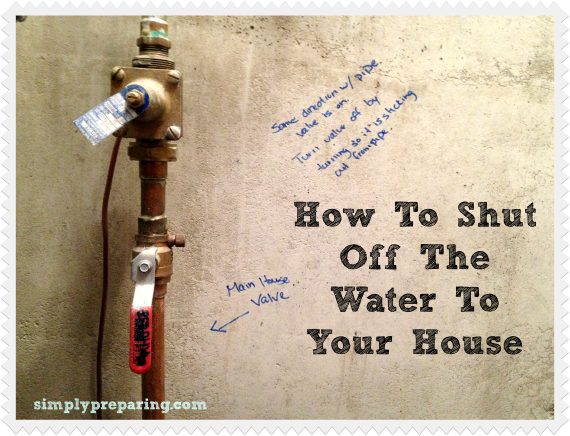
Seriously—write it down. Grab a piece of duct tape and a sharpie, and label the valve “WATER OFF” with an arrow. Tape it right next to the valve or on the pipe above it. You’ll thank yourself at 2 a.m. when your brain is foggy.
Show your family, your roommate, or even your pet (okay, maybe not the pet, but tell them anyway). Make it a household game: “Who can find the water shut-off in under 30 seconds?” Winner gets extra dessert. Everyone wins because no one floods.
A Little Practice Goes a Long Way
Once a year, exercise your main valve. Turn it off and then back on again. This keeps it from getting rusty and stiff. It’s like yoga for your plumbing—stretching prevents injury!
Also, check those tiny fixture valves. If they leak after you twist them, you might need a new washer. That’s a cheap fix, and it means your superpowers are fully operational.
And hey—if you ever feel overwhelmed, just remember: water always follows the path of least resistance. You, my friend, are about to become its resistance trainer.
The Happy Ending (No Floods Here!)
So there you have it: you now know how to turn off the water to your house without a single soggy sock. You’ve got the tools, the knowledge, and the courage to face any plumbing hiccup with a grin.
You are basically a plumbing ninja. When a pipe bursts, you’ll swoop in, twist a valve, and save the day. Your kitchen floor will stay dry, your carpet will stay fluffy, and your cat will look at you with new respect (or the same disdain, but at least you’ll be dry).
Go on—find that valve today, give it a little hello, and pat yourself on the back. You’ve just turned a potential disaster into a fun fact for parties. And if anyone asks how you became this cool? Just wink and say, “I know where the water stops.” You legend, you.
