Should There Be Water In Water Softener Tank

Picture this: You’re staring at your water softener, feeling like a plumber who forgot to read the manual. The tank looks half-empty, and you’re wondering if you’ve accidental...
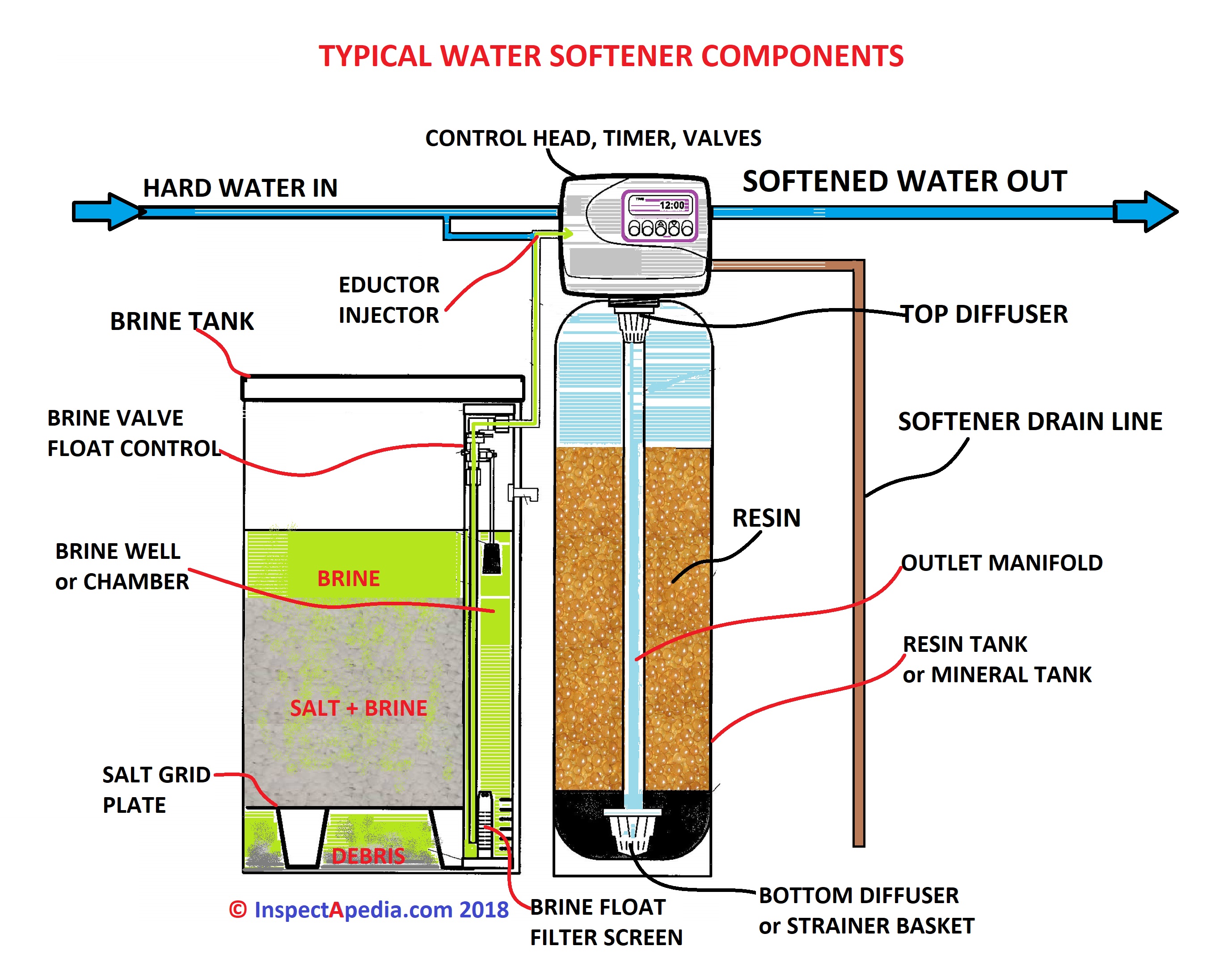
Picture this: You’re staring at your water softener, feeling like a plumber who forgot to read the manual. The tank looks half-empty, and you’re wondering if you’ve accidentally invented a new way to ruin your home. Should there be water in that thing, or is it secretly a high-tech pottery kiln? Let’s wade into the briny truth before your pipes start throwing a tantrum.
The Great Saltwater Mystery
Here’s the plot twist: Yes, there should be water in the brine tank, but not too much, and not too little—it’s like Goldilocks if she were obsessed with mineral buildup. That tank holds a special saltwater solution, also known as brine, which is the secret sauce that scrubs the hard minerals from your water. Without water, you’re just a sad person with a bin of salt and a moral dilemma.
Think of it this way: the brine tank is the laundry room of your water system, and water is the detergent. You wouldn’t run your washing machine dry unless you wanted to embarrass yourself in front of the repairman. So, yes, keep the water coming, but brace yourself for the tricky part—the level matters more than your gym selfie.
Must Read
How Much Water Is "Just Right"?
Normally, you’ll see water sitting about halfway up the salt or a bit lower, like a lazy swimmer at a pool party. If the tank is bone-dry, your salt is basically a group of rocks pretending to work—like a motivational speaker with no microphone. Too much water, though, and you’ve got a swamp situation, which smells like a thousand wet socks and might flood your basement.
Here’s the kicker: the water level can change depending on how often your system regenerates. After a regeneration cycle, the tank might look nearly empty, and you’ll panic. Calm down—that’s normal, like your fridge looking barren right before pizza delivery arrives.
What Happens If You Ignore It?
If there’s zero water in the tank, your softener will throw a hissy fit and refuse to soften your water. You’ll know because your dishes will get cloudy, your skin will feel like sandpaper, and your coffee will taste like a janitor mopped the floor with it. Surprising fact: a dry brine tank can also damage the valve, turning a $30 bag of salt into a $500 repair bill—talk about a budget betrayal.
On the other hand, too much water leads to something called "salt bridging," where the salt crusts into a giant rock that blocks everything. It’s like a traffic jam for minerals, and your softener will start leaking like a politician’s promise. Either way, nobody wins, and your plumbing holds a grudge.
The Salt Stacking Conspiracy
Let’s talk about the salt itself, because you didn’t think it was just for show, did you? You need to keep the salt level above the water, or else the salt dissolves too fast and your system goes on a bender. Pro tip: always add salt when the tank is about a quarter full, not after you’ve realized the water is harder than your ex’s heart.
I once knew a guy who poured 50 pounds of salt into a tank that was already full of water—he essentially made ocean soup in his basement. His softener worked great, but he couldn’t use his washing machine for a week because the saltwater was "aggressive." We don’t talk about him anymore.
 Water Softeners | Midwest Smart Water Solutions
The Surprising Science of "Dry Salt"
Here’s a twist that sounds like a bad magic trick: water softener salt doesn't actually dissolve in the tank. No, the water seeps in from the bottom, making a brine only when needed, kind of like a diva who only performs on request. This means the top of the salt pile stays bone-dry, even though the bottom is having a wet rave.
If you don’t have enough water, the salt can’t make brine, and your softener just chills there like a teenager ignoring chores. But if you have too much water, the salt dissolves into a slurry that looks like a snow cone after a nuclear meltdown. The sweet spot? Check your owner’s manual, or just call your softener by its name and ask nicely.
When to Worry (And When to Giggle)
If you see standing water that hasn’t moved in days, you might have a clogged drain line or a stuck float valve—that is worth worrying about. But if the water level drops after regeneration, give your softener a high-five; it’s actually working. Humorous reality: many people obsess over the water level while forgetting to refill the salt, which is like buying a fancy car and never putting gas in it.
One more surprising fact: your water softener uses about 2 to 5 gallons of water per regeneration—that’s less than a 10-minute shower. So, no, you’re not wasting water; you’re just being fancy about your tap. If anyone judges you, tell them you’re participating in "limescale management," and they’ll probably back away slowly.
The Final Verdict (Served with a Wink)
So, should there be water in your water softener tank? Yes, always, unless you want to shower in water that feels like chalky regret. Keep the level reasonable, check it monthly, and don’t let the salt get too low or too high—it’s the plumbing version of Goldilocks, but with 50-pound bags of sodium.
And if all else fails, just remember: a water softener is smarter than you think, but dumber than you hope. Treat it like a temperamental house guest—feed it salt, give it water, and never make eye contact during a regeneration cycle. Now go check your tank, you magnificent mineral worrier.
