Fda Bottled Water Expiration Date Shelf Life

So, picture this: I’m cleaning out my pantry, and I find a dusty bottle of water pushed way back behind the canned beans. The date on the label? Two years ago. My first though...
So, picture this: I’m cleaning out my pantry, and I find a dusty bottle of water pushed way back behind the canned beans. The date on the label? Two years ago. My first thought was, “Is this going to kill me?” I mean, it’s water—how do you spoil water? (Spoiler: you don’t, but the FDA has thoughts on this.)
That little moment of panic is exactly why we’re here today. You’ve probably seen those “best by” dates on bottled water and wondered if they’re just a marketing trick. Let’s get one thing straight: water itself doesn’t go bad. H2O molecules are immortal, honestly. But the bottle? That’s where the story gets interesting.
The FDA’s official take (yes, they have one)
The FDA requires bottled water to have an expiration date—not because the water rots, but because of packaging. Over time, plastic bottles can leach chemicals like antimony or bisphenol A (BPA) into the water. Think of it as the bottle slowly having a tiny meltdown, and you don’t want that in your kidneys.
Must Read
But here’s the ironic kicker: if you store your water in a cool, dark place—say, a basement or a closet—that plastic stays stable for years. The FDA’s date is more of a “guarantee of quality” than a safety threshold. You could drink “expired” water today and be fine, as long as it doesn’t taste like a plastic factory.
What actually happens after the expiration date?
Mostly, the water starts tasting flat or stale. That’s because over time, air sneaks through the plastic (yes, plastic is porous on a microscopic level), and the water absorbs weird odors from its surroundings. If you left that bottle next to a bag of onions, guess what? You’re now drinking onion-flavored water. Yum.
Another fun fact: microplastics can increase in bottled water over time. A 2018 study found that water stored for long periods had more plastic particles. But don’t panic—the levels are still low, and your body deals with them. It’s like a free, unwanted side of fiber.
So, when should you actually toss that bottle?
Here’s the rule of thumb: if the bottle looks dented, bulging, or cloudy, toss it. If it’s been sitting in a hot car for months, toss it. Heat speeds up chemical leaching faster than a teenager on a sugar rush. But if it’s been chilling in your fridge for a year? Crack it open—it’s probably fine.
Oh, and avoid reusing single-use plastic bottles. I know, I know—you’re being eco-friendly. But refilling that flimsy bottle over and over creates cracks where bacteria love to party. That’s not an expiration date problem; that’s a you problem.
The real shelf life your water cares about
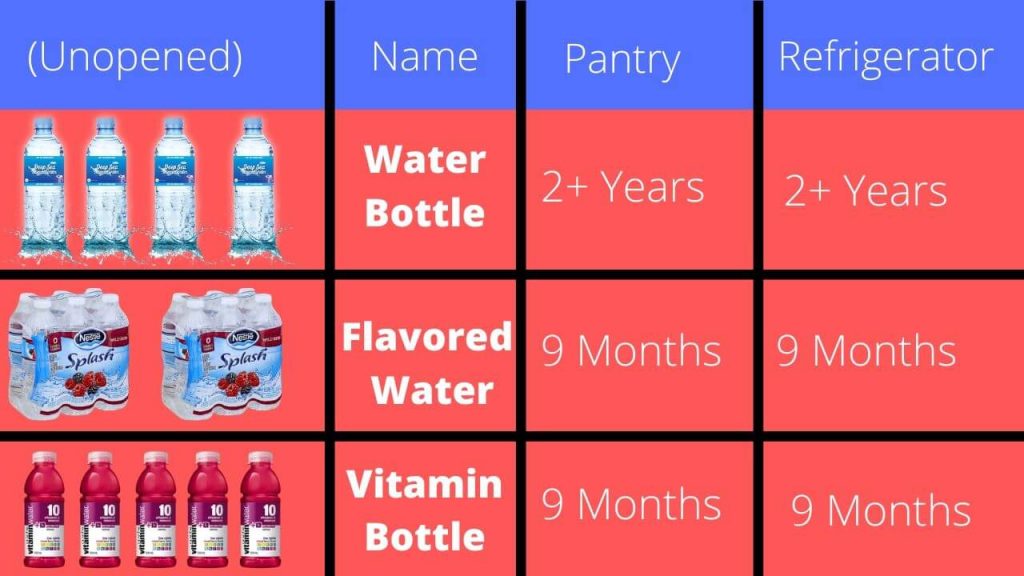
For still water: 1 to 2 years from the manufacturing date, if stored properly. For sparkling water (the carbonated kind): 1 year, because the fizz escapes faster than your motivation on a Monday. But again—these are guidelines, not death sentences.
 Does Water Expire? Shelf Life, Safety, and Smart Storage Explained
I have a friend who proudly drank a bottle of water from 2018 last month. She described it as “water with a personality.” (Her words, not mine.) She’s still alive, and she didn’t grow a third arm. So, yeah, it’s mostly about taste and texture.
What about glass bottles or boxed water?
If you’re fancy and buy water in glass or cartons, expiration dates matter less. Glass is chemically inert—no plastic leaching. Boxed water (like those Tetra Paks) has a foil lining that blocks air and light, so it can last years past its date. But check for swelling; that means bacteria got in.
For the love of all that is hydrated, do not rely on “expired” water from a source you don’t trust. If you open a bottle and it smells like a swamp or has floating bits, use it to water plants, not your body. Your gut will thank you.
The bottom line (and a tiny rant)
The FDA’s expiration date on bottled water is a safety net for the bottle, not the water. It’s like those “best before” dates on salt—technically, salt never goes bad. Same for water. But the container is the weak link, especially if it’s plastic and has been baked in a warehouse.
My advice? Stop treating bottled water like a luxury item. Buy what you’ll drink in a few months, store it away from heat and light, and don’t freak out if you find a 2021 bottle in your car’s trunk. (Unless it’s summer in Arizona—then maybe just sniff it first.)
So next time you see that “best by” date, remember: it’s not a countdown to disaster. It’s just the FDA being thorough, plastic being plastic, and water being the immortal chameleon it always was. Stay hydrated, stay chill, and maybe buy a reusable bottle while you’re at it.
