How Often To Change Whole House Water Filter

Alright, let’s talk about whole house water filters. Not the sexiest chat, I know, but stick with me. You’ve probably got one of these bad boys tucked away in your basement or...
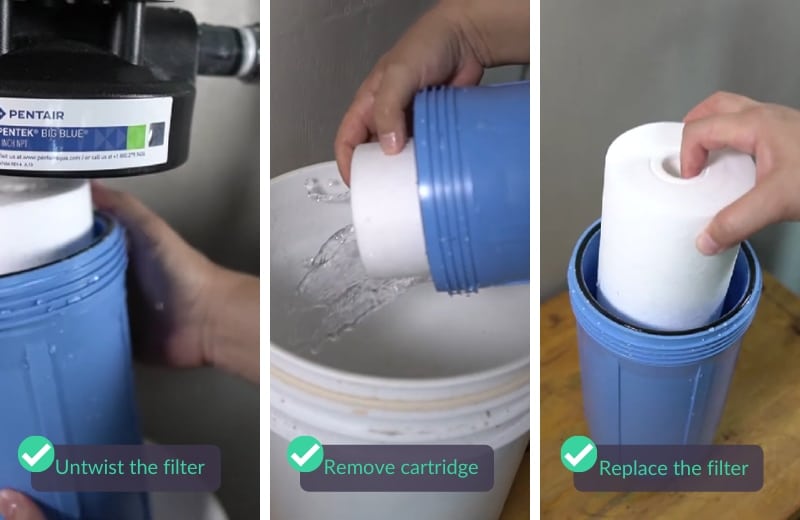
Alright, let’s talk about whole house water filters. Not the sexiest chat, I know, but stick with me. You’ve probably got one of these bad boys tucked away in your basement or garage, and you’re wondering: “How often do I really need to swap this thing out?”
Here’s the deal. There’s no magic number, and if someone tells you there is, they’re probably selling something (or trying to get you to install a pyramid scheme for filters). The truth is, your filter’s life depends on your water. Is it silty like a riverbed or clear as a mountain spring?
Let’s start with the most obvious sign. When your water pressure drops to a pathetic trickle, your filter is screaming for a replacement. You know that feeling when you turn on the shower and it’s more of a sad drizzle? That’s your filter gasping for air.
Must Read
But let’s not wait for a full-on tragedy. A good rule of thumb for a standard sediment filter? Every three to six months. Yes, I know. It feels like you just changed it yesterday. But think of it like changing the oil in your car—boring, but necessary.
The “Big Three” Factors
Your filter’s lifespan isn’t a guessing game. It’s a math problem with three main variables. First up: your water source. City water? You might stretch it to six months. Well water? You’re in a mud fight every season.
Well water is a sneaky beast. It brings in fine sand, clay, and sometimes iron that just loves to clog your filter. If you’ve got a heavy sediment load, you might be swapping cartridges every two to three months. No shame in that game.
Second variable: the size of your filter. That big honking 20-inch cartridge? It lasts longer than the little 10-inch guy. It’s like comparing a large pizza to a personal pan—you get more slices before you’re hungry again.
The “Gross Scale” Test
Here’s a trick I use. Mark your calendar for three months, then pull the filter out. Hold it up to the light. If it looks like a mud brick or smells like a swamp, you waited too long.
Is it just slightly tan? You might have a month or two left. But honestly, your eyeballs are the best sensor. If you’re thinking, “Ew, that’s nasty,” change it. No filter has a PhD in looking pretty—its job is to get ugly so your water doesn’t.
Still, don’t overthink it. Most manufacturers say every three months for sediment and every six to twelve months for carbon filters. That’s the safe, boring advice. But you’re not boring, right? You’re a rebel who checks their filter.
What About Carbon Filters?
Ah, the carbon block. This little warrior fights chlorine, bad tastes, and funky smells. A typical carbon cartridge lasts about six to twelve months. But if your water smells like a community pool, swap it sooner.
Pro tip: if the water starts tasting like a band-aid (you know the flavor), your carbon is dead. Change it. That’s a non-negotiable sign. Don’t try to “push through” the band-aid flavor. That’s just gross.
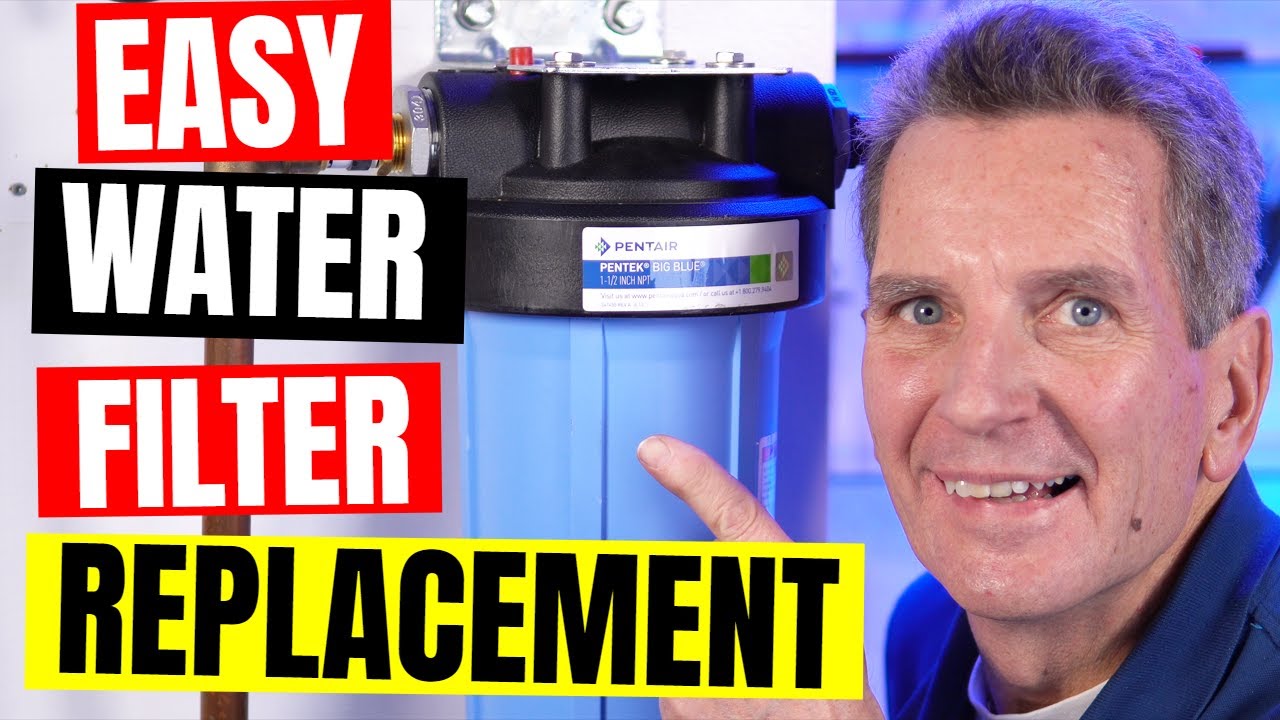 Water Filter Change Service at Alex Wright blog
Now, if you’ve got a dual-stage system (sediment + carbon), keep separate schedules. Change the sediment every three to four months, and the carbon twice a year. It’s like having a two-step skincare routine for your pipes.
The Exceptions (Because Life Loves Chaos)
Sometimes, you get a sudden water main break or a fire hydrant flush nearby. That sends a tsunami of rust through your pipes. After that? Change the filter immediately. Don’t wait. Your filter just ran a marathon uphill.
Also, if you have a house with a lot of people (hello, five kids and a dog), you’re using more water. That means more sediment, more chlorine, more wear. Check your filter every two months. You’ll thank me when you don’t have to shower in a drizzle.
What about the “I forgot” factor? It happens. We all have busy lives. If you go six months and your filter looks like a science experiment, don’t panic. Just change it. The world won’t end, but your water heater might start making angry noises.
The One-Year Deep Dive
Even if your house is empty and you’re sipping bottled water, change the filter once a year. Bacteria and mold love a dark, damp filter. It’s like a five-star hotel for gross stuff. A stale filter can turn your “fresh” water into a germ party.
I know, I know—it’s yet another chore. But look on the bright side: you’re not having to change the filter on a spaceship. Or a deep-sea submarine. That would be way harder.
So here’s your cheat sheet. For sediment: every three months (or sooner if you see mud). For carbon: every six to twelve months. And always, always check when the pressure drops or the taste turns weird.
And if you’re still confused? Just pick a date—say, the first day of each season. Spring cleaning? Change the filter. Fall prepping for holidays? Change the filter. It becomes a habit, like forgetting your gym membership or pretending you’ll read that book.
Your water will taste better, your pipes will last longer, and your shower will feel like a rainforest again. Not a drizzle. A rainforest. Now go swap that cartridge. I’m proud of you.
