How Effective Are Refrigerator Water Filters

Let’s be honest: that little light on your refrigerator—the one that blinks every six months like a judgmental firefly—is probably the most ignored alarm in your home. It’s th...
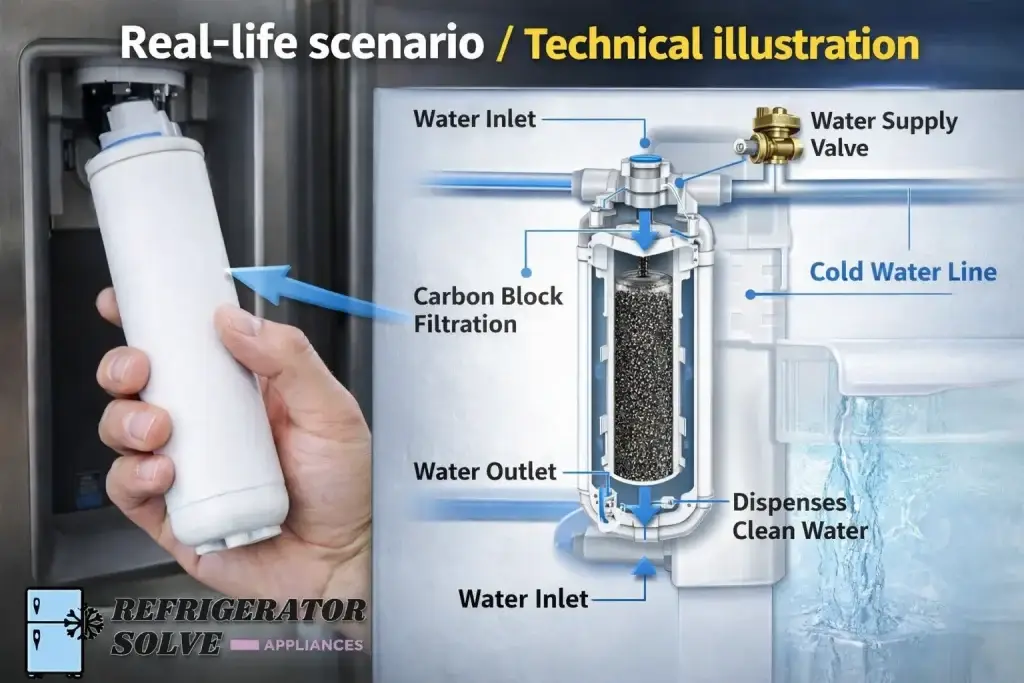
Let’s be honest: that little light on your refrigerator—the one that blinks every six months like a judgmental firefly—is probably the most ignored alarm in your home. It’s the filter-change indicator, and ignoring it feels almost rebellious. But is it actually saving you from a glass of mystery chemicals, or is it just another appliance upcharge dressed in plastic?
The short answer is: yes, they work, but with a giant asterisk the size of a water bottle. Refrigerator water filters are designed to catch specific contaminants—mostly chlorine, lead, mercury, and sediment. They won’t save you from viruses, bacteria, or the dreaded "PfAS" (forever chemicals) unless you buy a very fancy, certified model. Think of them as the polite bouncer at a club; they stop the obvious troublemakers, not the stealthy party-crashers.
What Exactly Is It Scrubbing?
Your standard fridge filter uses activated carbon—a fancy term for charcoal that’s been superheated to become highly porous. This creates a massive surface area that traps impurities like a microscopic sponge. It’s the same tech inside a Brita pitcher, but jammed into a sleek plastic cartridge.
Must Read
The real win is taste and smell. That swimming pool vibe from your tap water? Gone. The metallic tang from old pipes? Vanished. If your water tastes like old pennies, a fresh filter is a legitimate upgrade to your morning coffee ritual. Water sommeliers (yes, that’s a real job) would approve.
A fun fact: your fridge filter can also remove 99% of lead if it’s certified under NSF/ANSI Standard 53. That’s not a marketing gimmick—that’s actual data. Just check the label on your box before you trust your toddler’s sippy cup to it.
The "Bad News" Ice Cube
Here’s the gritty truth: most people replace their filters way too late. After six months, that carbon becomes saturated, meaning it stops filtering and starts dumping back trapped contaminants into your water. Your filter turns into a petri dish of yesterday’s grime. It’s like using a dirty mop to clean a floor—you’re just spreading the mess.
Another curveball: not all fridges are created equal. Some luxury brands (looking at you, Samsung and LG) have notoriously finicky filter compatibility. Third-party filters can save you $30 per swap, but they often lack the same certification. It’s a gamble between wallet and water quality.
Pro tip: If your water pressure suddenly drops, that’s a clogged filter screaming for mercy. Also, your ice cubes might start looking cloudy or tasting like cardboard. These are your fridge’s version of a white flag.
When It’s Actually Worth It
If you live in a city with decent municipal water (like New York or Seattle), a fridge filter is mostly a luxury—a cure for the chlorine aftertaste. But if you’re on well water (hello, rural America) or in an area with lead-pipe infrastructure (Flint, Chicago, Newark), this filter is a non-negotiable safety net.
There’s also the planet angle. Every single plastic bottle you don’t buy because you’re using filtered fridge water is a small victory against the Great Pacific Garbage Patch. One filter replaces roughly 300 single-use plastic bottles over its lifespan. That’s a lot of turtles saved.
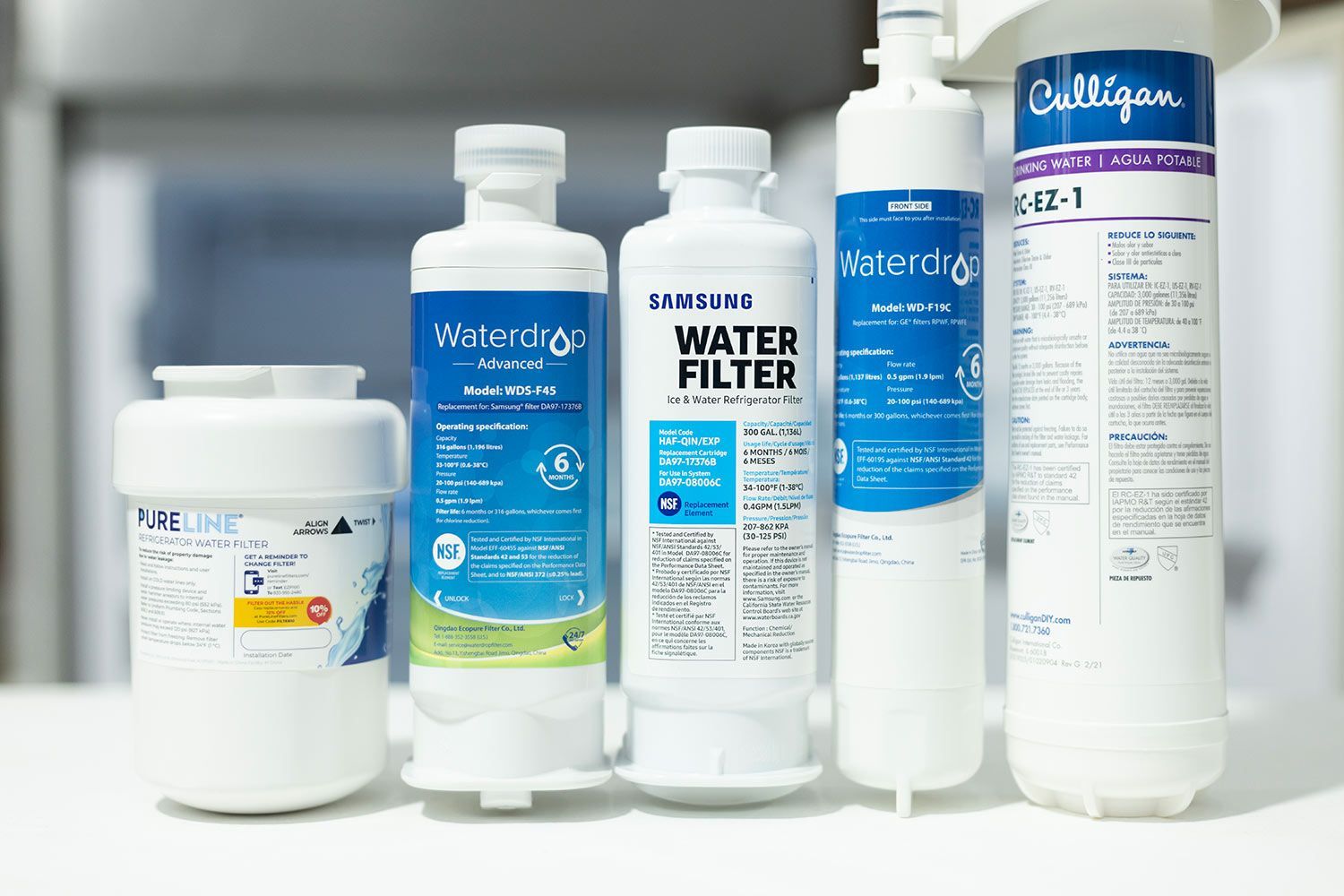 The Best Refrigerator Water Filters in 2026 - Buying Guide & Reviews
A cultural nod: remember the 1990s obsession with "designer" waters like Evian and SmartWater? Now the trend has flipped toward tap water pride. Restaurants like Oxomoco in Brooklyn and The Grey in Savannah serve only local filtered tap water. A good fridge filter makes you part of that movement, minus the smugness.
The "Dumb" Maintenance Hack
Mark your calendar with a reminder on your phone—the same way you do for a dentist appointment. Or use the sticker trick: write the replacement date on the filter with a Sharpie after you install it. When the date arrives, you swap it, no questions asked.
If you’re feeling extra rebellious, you can bypass the fridge filter entirely and install a whole-house carbon filter under your sink. It costs more upfront ($200–500), but it covers every tap, and you never have to wrestle a stuck cartridge out of a freezer drawer again. Plus, your ice cubes will taste like angels.
One more fact: most fridge manufacturers recommend replacing the filter every 6 months or 300 gallons, whichever comes first. That’s roughly the equivalent of 1,200 glasses of water. If you’re a big water drinker, you might actually hit that gallon count faster than the calendar does.
The Verdict (Poured Over Ice)
Are fridge water filters effective? Yes, within their lane. They’re excellent for taste, decent for heavy metals, and useless for viruses. They’re not a magic wand, but they are a solid daily habit. Replacing them on time is the real superpower—it’s the difference between sipping spring water and sucking down a carbon sponge that’s been soaking in your tap’s bio-film for a year.
So next time that little light blinks at you, don’t roll your eyes. Think of it as a friendly nudge from your future self—the one who wants a crisp glass of water at 2 AM without wondering what’s actually in it. Life’s too short for lukewarm tap water that tastes like regret.
And hey, if you forget? Pour yourself a glass of whatever comes out. It’s still better than a diet soda. Probably.
