Do Refrigerator Filters Remove Microplastics

So, you’ve been doing your best impression of a responsible adult. You bought a shiny new refrigerator filter, swapped out the old one (which you totally didn’t ignore for a y...

So, you’ve been doing your best impression of a responsible adult. You bought a shiny new refrigerator filter, swapped out the old one (which you totally didn’t ignore for a year), and now you’re sipping glorious cold water. But then a nagging thought bubbles up: “Am I still drinking tiny, invisible plastic shards?” Let’s dive into this plastic-y mess, shall we?
The Short Answer: It’s Complicated (But Mostly “Nope”)
Here’s the brutal truth, served on a chilled platter: Standard refrigerator filters are basically useless against microplastics. They’re like bringing a butter knife to a gunfight. These filters are designed to catch big bullies—things like chlorine, sediment, and that weird “old basement” taste—not the microscopic invaders.
We’re talking about particles so small you’d need a microscope to see them partying in your glass. Most fridge filters only trap things down to about 0.5 to 1 micron in size. Microplastics? They often waltz right through at sizes smaller than that. It’s like trying to catch a mosquito with a chain-link fence.
Must Read
What’s Actually in Your Refrigerator Filter?
Let’s pop the hood. Inside that plastic cylinder is usually a block of activated carbon. This stuff is fantastic at grabbing chemicals and bad flavors—like a sponge for gross-tasting gunk. But it wasn’t designed by a team of ninjas hunting down tiny plastic specks.
Activated carbon is picky. It grabs dissolved organic compounds, but it mostly shrugs at solid, non-reactive plastic particles. Unless your filter specifically boasts a “reverse osmosis” or “nanofiltration” upgrade (which is rare in standard fridges), you’re just giving microplastics a pleasant scenic route straight to your lips.
Think of it this way: Your fridge filter is a nightclub bouncer who only stops people wearing bright red hats. Microplastics? They’re wearing invisible cloaks and doing the Macarena right past him.
Surprising Fact #1: Your Filter Might Be Making It Worse (Sort Of)
Wait, put down that glass! I’m not saying your filter is a villain, but some older, clogged filters can actually shed microplastics. The plastic casing and internal components can degrade over time, especially if you ignore the “replace every 6 months” sticker (we all do it).
Basically, a neglected filter can become a microscopic plastic confetti cannon. It’s like sending in a janitor who tracks mud everywhere. The fix? Change your filter on time! Your future gut will thank you, even if the filter doesn’t catch every particle.
So, Am I Just Drinking Plastic Slurpees?
Relax. You’re not chugging a Gatorade bottle every time you take a sip. Studies show that tap water (which your fridge filters) already contains microplastics from pipes and the environment. Your fridge filter stops the big chunks but lets the tiny ones pass through.
The real question is about volume. Are you drinking a mountain of plastic or a molehill? Current research suggests it’s a molehill, but a very annoying molehill that might stick around inside you. The World Health Organization says “drink your water, don’t panic,” but they’re also keeping a nervous eye on the data.
What Actually Kills Microplastics? (The Hero You Need)
If you’re on a crusade to banish microplastics, the refrigerator filter is not your champion. You need the heavy artillery: Reverse osmosis (RO) systems. These are the nuclear submarines of water filtration. They shove water through a membrane so tight, only pure H2O molecules get through. Even dissolved salts and viruses bounce off.
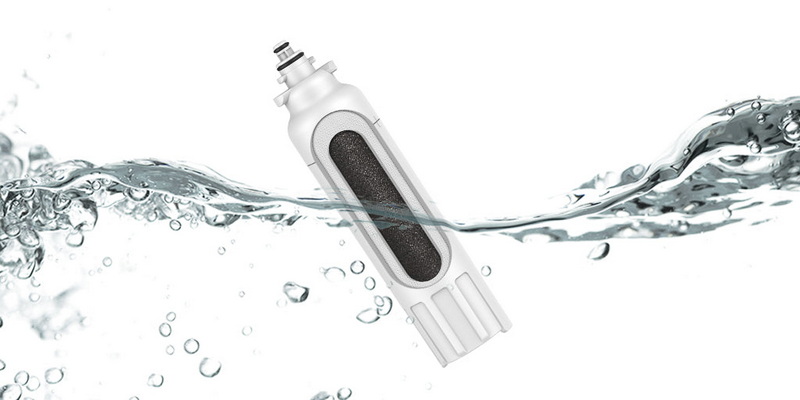 Do Activated Carbon Filters Remove Microplastics? - Tongke
Reverse osmosis is great at zapping microplastics, but it’s also expensive, wastes water (typically 3-4 gallons wasted per gallon purified), and requires installation. It’s the overachieving cousin at the family reunion. For most people, a standard fridge filter is like having a friendly, slightly lazy dog that barks at mailmen but ignores burglars.
Another option: distillation. Boil water, catch the steam, and you get pure water. Microplastics have a higher boiling point than water, so they stay in the pot. It works, but it’s slow and uses a lot of energy. You are basically playing kitchen chemist for every glass.
Surprising Fact #2: Bottled Water Is Often Worse
Ah, the classic “I’ll just buy plastic bottles” move. You’re trying to escape microplastics, so you drink from a plastic bottle? That’s like running from a rainstorm into a swimming pool. Studies show bottled water often contains more microplastics than tap water.
The plastic bottle itself sheds particles into the water, especially when it’s sitting in a hot truck or on a sunny shelf. Your refrigerator filter, flawed as it is, is still better than a stream of particles from a single-use bottle. So your fridge filter might be a lazy dog, but it’s better than a plastic straw factory.
The Final Sip: Should You Care?
Look, microplastics are not great. They’ve been found in human blood, lungs, and even placentas. That’s a bit like finding a lost sock in your soup—it makes you go “huh, that’s concerning.” But the science on long-term harm is still fuzzy. It’s a slow-burn mystery, not a horror movie.
Your refrigerator filter is not a microplastic-killing machine, but it’s not a waste of money either. It makes your water taste better, removes lead (if it’s certified for it), and keeps your ice cubes from smelling like last week’s leftover tuna casserole. That’s a win.
If you’re deeply worried, invest in a certified RO system or a quality countertop filter with a fine membrane. But for the rest of us? Keep using your fridge filter, change it every six months (set a dang reminder!), and maybe don’t microwave your plastic lunch containers. You’ll be fine. And if you’re not? Well, you’ll be a very well-hydrated plastic statue.
In summary: Your fridge filter is a decent bouncer, but a lousy ninja. Drink your water, laugh at the absurdity of it all, and go refill that glass. Cheers to you, you beautiful plastic-consuming mammal!
