Is It Harmful To Reuse Plastic Water Bottles

You know that beat-up plastic water bottle you’ve been refilling for, oh, the last three months? The one with the dent from when you dropped it in the parking lot? Yeah, that...
You know that beat-up plastic water bottle you’ve been refilling for, oh, the last three months? The one with the dent from when you dropped it in the parking lot? Yeah, that guy. We’ve all got one. It lives in your car, your gym bag, or on your desk, and we’re kind of attached to it. It feels responsible, right? You’re saving the planet one refill at a time. But is that trusty companion actually doing you a secret disservice?
The Squeeze Test of Truth
Let’s get one thing straight: not all plastic bottles are created equal. The flimsy, crinkly ones from the gas station—the kind that feel like they’ll crumple if you look at them wrong—those are the real troublemakers. They are designed for one use, like a party guest who shows up, drinks your soda, and leaves a mess. Reusing them is like inviting that guest to move into your spare bedroom.
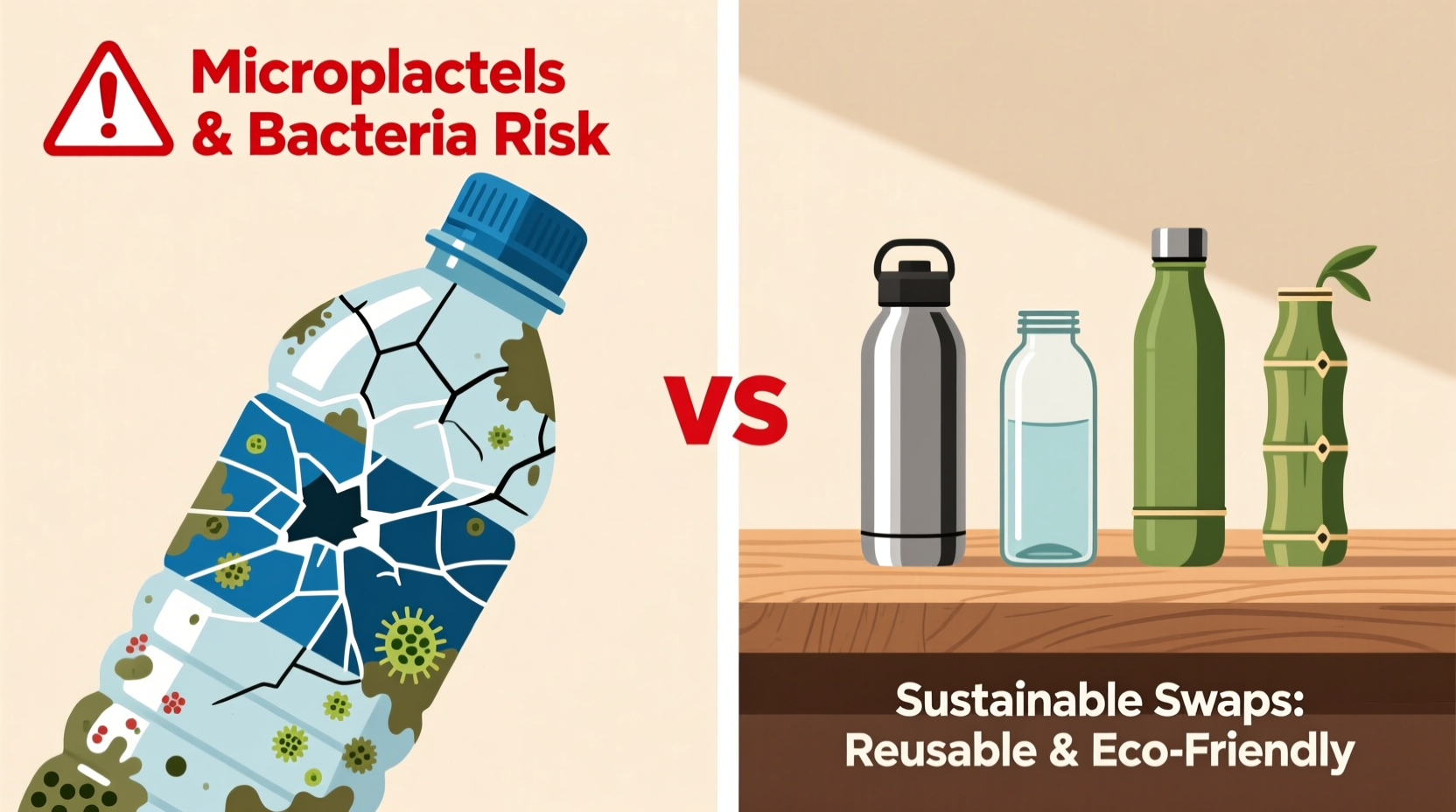
These single-use bottles are made from a plastic called PET (polyethylene terephthalate). Here’s the deal: they don’t take well to wear and tear. Every time you wash them with hot water or leave them in a sunny car, the plastic can start to break down. Eventually, those microscopic cracks become a cozy little home for bacteria. Think of it as a tiny, invisible petri dish with a screw top.
Must Read
The Germ Hotel
This is the part that might make you raise an eyebrow. A study from treadmillreview.com (yes, that’s a real thing) found that reusing a disposable water bottle can harbor more bacteria than your dog’s chew toy. Gross, right? The main culprit isn’t the plastic itself—it’s your mouth. Every sip you take introduces mouth bacteria back into the bottle, and that warm, moist environment is basically a five-star resort for germs.
Add to that the fact that most of us just give the bottle a quick rinse. You know the move: a splash of water, a shake, and a shrug. That doesn’t cut it. You’d never wash your coffee mug that way, but we do it to plastic bottles all the time. It’s a recipe for a very unhappy stomach.
What About Those Magic Chemicals?
Ah, the big scary word: chemicals. You’ve probably heard about BPA (bisphenol A) and other “leachables.” The good news? Most single-use water bottles sold today are BPA-free. The bad news? That doesn’t mean they are chemical-free. When you heat a plastic bottle—say, by leaving it in a hot car on a summer afternoon—tiny amounts of other compounds can leach into your water. It’s not going to make you keel over instantly, but it’s not exactly a health smoothie.
Think of it like this: you wouldn’t microwave a Styrofoam cup to make tea, right? Same logic applies. Your plastic water bottle is not built for a sauna session. If it smells like plastic, feels warped, or has seen better days, it’s time to say goodbye.
The Real Winner: Your Reusable Buddy
So, what do you do? Do you swear off water entirely and survive on pure spite? Of course not. You just upgrade. Go buy a reusable bottle made of stainless steel or glass. Yes, they cost a little more upfront, but they don’t leach, they don’t grow germ cities, and they make you look like a very responsible adult. I have a steel one that I call “Tank.” Tank has been in my bag for two years, and he’s never once made me worried about bacteria. He’s a trooper.
 Should You Reuse Plastic Water Bottles | Explora Madeira
Plus, a reusable bottle is a conversation starter. Someone will inevitably compliment its color or shape. “Oh, where did you get that?” they’ll ask. And you can say, “I’m a connoisseur of hydration.” That’s a flex.
When You Have to Use the Disposable Kind
Look, life happens. You’re at the airport, you forgot your bottle, and you’re parched. You buy a plastic one. That’s fine. The key is to treat it like a temporary guest. Drink it, recycle it, and move on. Don’t turn it into a permanent resident of your car’s cup holder. The rule of thumb is simple: if you can see through it and it crinkles, it’s a one-night stand, not a relationship.
And please, for the love of all things clean, wash it if you absolutely must reuse it. Use soap. Use hot water. Scrub the threads and the cap. If you wouldn’t drink out of a dirty sock, don’t drink from an unwashed bottle.
The Bottom Line (No Drama)
Are you going to die from reusing a plastic water bottle? Probably not. But are you drinking water that tastes a little “off” and possibly hosting a bacterial jacuzzi party? Yeah, maybe. The harm is not a giant scare—it’s a slow, subtle “eh, you could do better.” Think of it like wearing the same socks for a week. You’ll survive, but your feet will not thank you.
So be the person who buys a nice, sturdy bottle. Treat it like a little vessel of honor. Your water will taste better, your stomach will be calmer, and you’ll feel like a champion of both health and the environment. Plus, you can pat yourself on the back. Just maybe not with the same hand you use to hold the bottle—you never know where that lid has been.
