High Volume Water Filtration For Restaurants

So there I was, wiping down the counter after a dinner rush that felt like a food fight with napkins. The ice machine was making that sad, choking sound again, and the dish sa...
So there I was, wiping down the counter after a dinner rush that felt like a food fight with napkins. The ice machine was making that sad, choking sound again, and the dish sanitizer was acting like a diva who’d missed her nap. The water pressure in the spray valve had dropped to a pathetic drizzle, and I swear I heard the sous chef whisper, “We’re doomed.”
That’s when I realized: water is the invisible backbone of a restaurant. You don’t think about it until it’s slow, dirty, or gone entirely. But for a busy kitchen, high volume water filtration isn’t a luxury—it’s the difference between a smooth shift and a plumbing nightmare.
Why High Volume Matters (It’s Not Just About Taste)
I know what you’re thinking: “My water comes out of the tap, it’s fine.” Sure, fine for a glass of water. But when you’re pumping out hundreds of espresso shots, steaming milk, and running an ice machine nonstop, volume changes the game.
Must Read
A standard home filter can’t handle the constant demand—it clogs, slows down, and then you’re stuck with trickle service. High volume systems are designed for the relentless appetite of a professional kitchen. They keep flow rates up, even when every station is screaming for hot water and clean ice.
Ever tasted coffee made with unfiltered tap? It’s like drinking a rainy sidewalk. A high volume carbon filter scrubs out chlorine and off-flavors, making your beverages taste crisp and clean—your guests will notice even if they can’t name why.
The Real Enemy: Scale and Sediment
Here’s the nerdy but crucial part: hard water. It’s full of calcium and magnesium that build up as scale inside your pipes, boiler, and dishwasher. That white crusty stuff? It’s silently destroying your equipment.
Without a high volume, commercial-grade softener or filter, you’re looking at expensive repairs. A steam oven that loses efficiency, an espresso machine that takes forever to heat up, or a glasswasher that leaves spots on your stemware. Ugh, customers hate spots—and so do you.
Side note: I once had a manager who ignored scale buildup until our ice machine sounded like a dying robot. That repair bill was more than our Saturday brunch revenue. Trust me, prevention is cheaper than panic.
What You Actually Need in a System
Don’t get overwhelmed by brands or jargon. For a high volume setup, focus on flow rate (think gallons per minute) and capacity (how much water it can treat before needing a change). Your filter needs to match the peak demand of a Friday night rush.
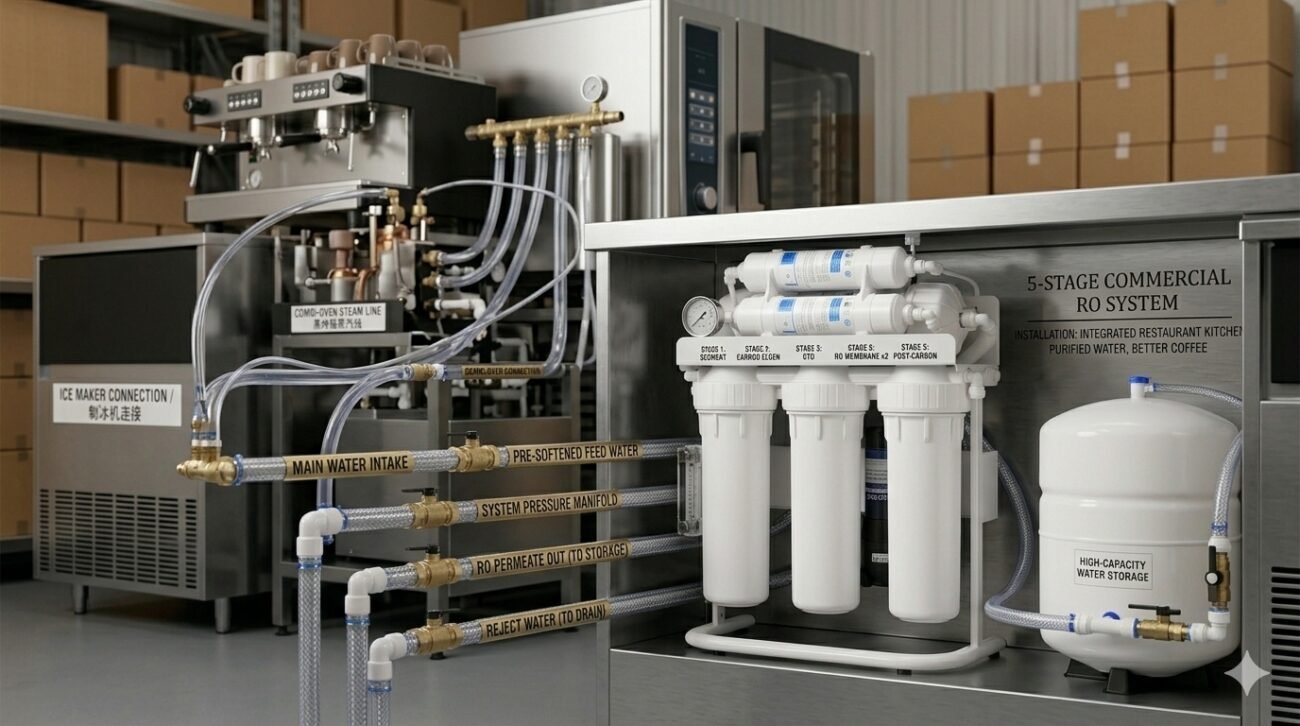
Look for a multi-stage system: a sediment pre-filter to catch sand and rust, then a carbon block for taste and odor, plus a scale inhibitor or softener. Some even add UV light for microbial protection—very fancy, but worth it if your water source is questionable.
Also, point of use vs. whole house? For a restaurant, you usually want point of use filters at the coffee station, ice machine, and dish line. That way, you’re not filtering water used for mopping floors—smart, right?
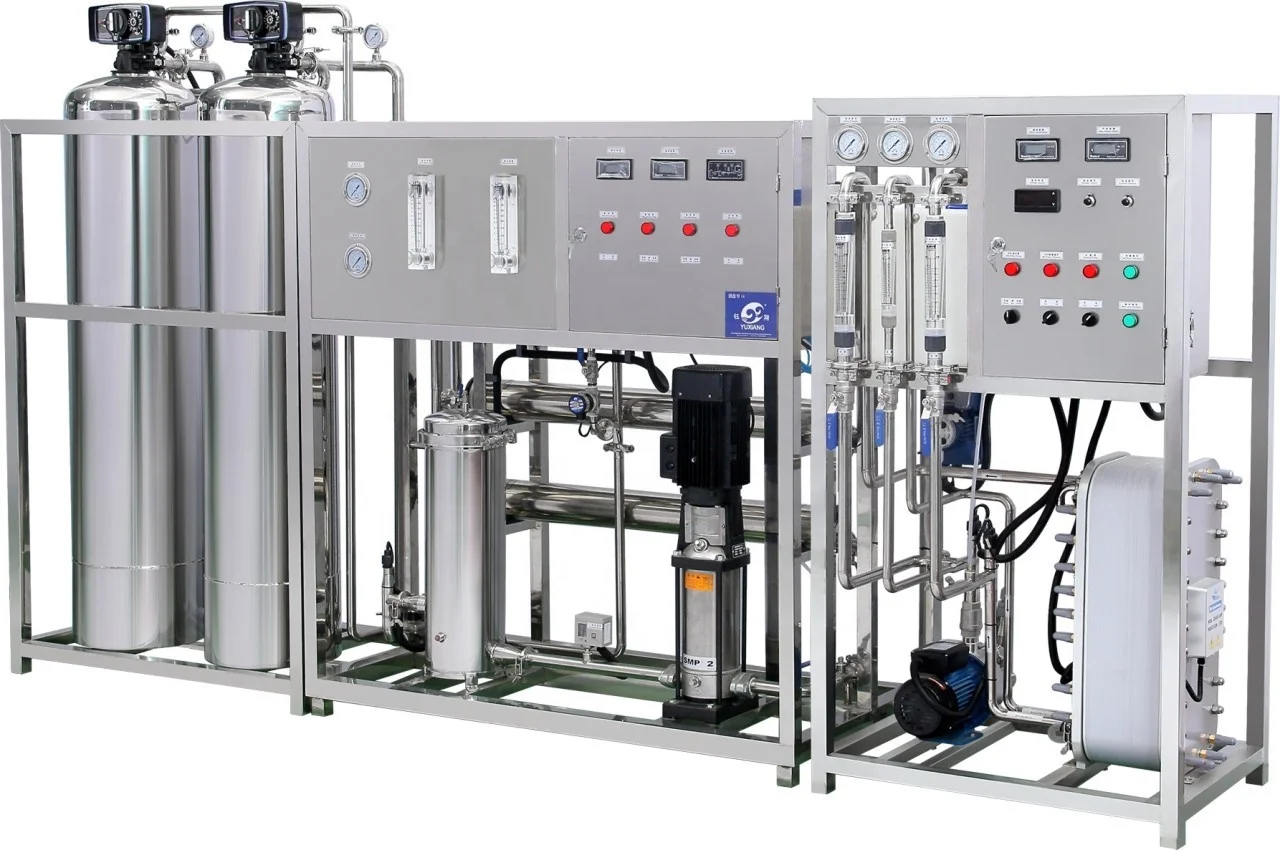 Reverse Osmosis System - Pure Water Treatment Machine
The Installation Reality Check
I’m not going to lie: installing a high volume system isn’t a DIY Saturday project (unless you enjoy water leaks at 2 AM). Call a commercial plumber who knows restaurant codes. They’ll set up bypass valves, drain lines, and proper mounting.
One ironic thing I learned: the filter housing itself can become a bacterial breeding ground if it’s too warm or not swapped on schedule. So you need to change filters religiously—set a calendar reminder and stick to it. A dirty filter does more harm than no filter at all.
And please, for the love of kitchen sanity, label the date on every cartridge. I’ve seen crew members argue over whether a filter was “still good” because it looked clean. Spoiler: looks are deceiving when it comes to bacteria and sediment.
Cost vs. Crying About Repairs
Okay, let’s talk money. A high volume setup can run you anywhere from $1,000 to $5,000 installed, depending on complexity. That sounds like a lot until your espresso machine’s heat exchanger clogs from scale—that’s a $2,000 repair, plus lost coffee sales during a busy weekend.
Also, filtered water extends the life of your ice machine, steamers, and dishwashers. I’ve seen ice machines last an extra 3–4 years with proper filtration. That’s real cash in your pocket.
And don’t forget the ROI on guest satisfaction. Clear ice cubes, spotless wine glasses, and coffee that actually tastes like coffee—that builds loyalty. One sip of bad water can ruin an entire dining experience. No pressure, right?
A Final Tip From Someone Who Learned the Hard Way
Test your water before you buy a system. Get a simple test kit to check for hardness, chlorine, and total dissolved solids. You don’t want to overspend on a fancy UV filter if your only issue is hard water—match the system to your actual problem.
Also, train your staff on basic filter maintenance. I once walked in to find a filter housing so loose it was dripping into a bucket. The night crew thought “it was fine.” It was not fine. A little training saves a lot of mopping.
So yeah, high volume water filtration isn’t the sexy part of running a restaurant. But when your ice machine hums happily, your coffee tastes like a hug, and the dishwasher actually cleans—you’ll know you did something right. Your future self (and your bank account) will thank you.
