Selecting Pumps For Industrial Water Systems

So, you need to pick a pump for an industrial water system. First off, my condolences—or congratulations, depending on how much you love spreadsheets. I’m kidding. Mostly. But...
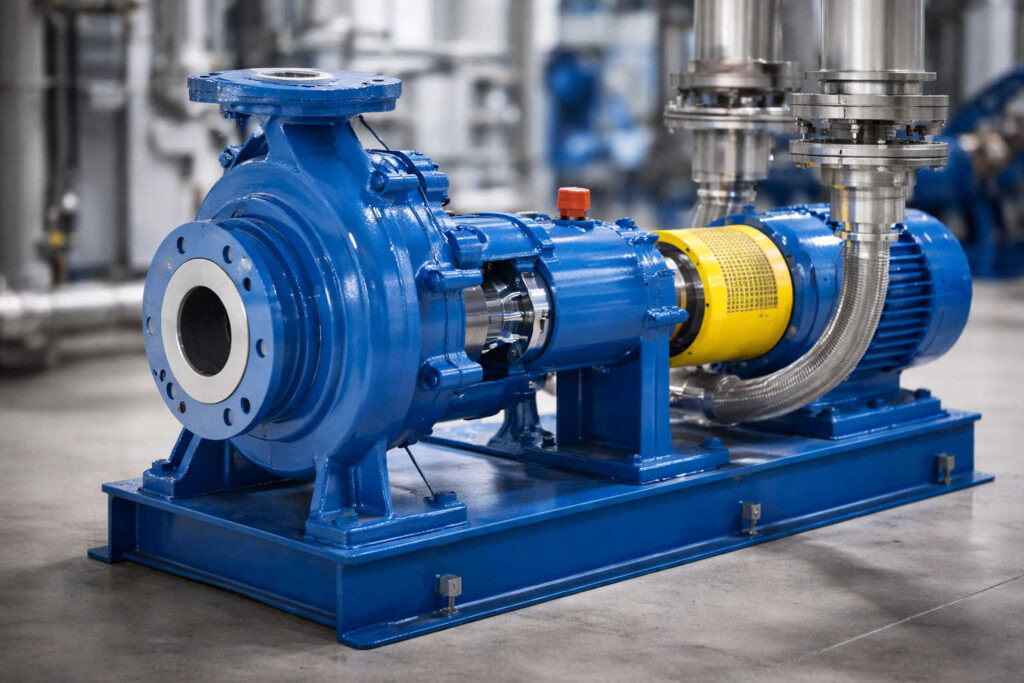
So, you need to pick a pump for an industrial water system. First off, my condolences—or congratulations, depending on how much you love spreadsheets.
I’m kidding. Mostly. But seriously, this is one of those jobs that looks simple until you’re drowning in spec sheets.
Let’s fix that, shall we? Grab your coffee—or tea, I don’t judge—and let’s chat.
Must Read
The Big, Obvious Question
What are you actually pumping? Water is a sneaky word. Is it clean well water? Or is it gritty, sludgy, chemical-laced stuff that eats rubber for breakfast?
If it’s clean water, you’ve got easy options. If it’s nasty water, you need a pump that’s basically a tank—with attitude.
Don’t guess. Seriously, guessing here is like ordering a surprise meal for someone with allergies. It might end badly.
Flow vs. Pressure: The Eternal Tango
You need enough flow (gallons per minute) to get the job done. But you also need enough pressure (head) to push that water where it needs to go.
Think of it like your favorite gym buddy. You want them to lift a lot (pressure) and run a marathon (flow). Rarely do you get both in one package.
So pick your priority. If you’re filling a huge tank fast, go for flow. If you’re pushing water up ten stories, go for head. Or get a pump that’s a compromise—just know it’ll be a little grumpy at extremes.
Here’s a little secret: Never oversize the pump just to feel safe. Oversizing is like buying a fire truck to go get groceries. It’s expensive, noisy, and you’ll waste a ton of electricity.
Instead, undersize slightly and let it run longer. Your power bill will thank you. So will your ears.
The Pump Family Tree (Simplified)
Centrifugal pumps are the rockstars. They’re simple, cheap, and handle most clean water jobs. They work like a fan in a tube—spinny thing moves water forward.
But if you need to move sludge or viscous stuff, you need a positive displacement pump. These are more like a squeegee—they push every last drop.
Positive displacement pumps are also great for exact dosing. If you need to add exactly 3.7 gallon of chemical every hour, this is your guy.
But wait—there’s the submersible pump too. That’s the one you drop into a pit. It’s like a little water goblin living down there, happy and silent.
Just don’t put a submersible in a dry well. They need water to cool down. Run one dry and you’ll be buying a new pump and a therapist.
Material Matters (And It’s Boring, But Vital)
Pumps are made of metal, plastic, or magic (okay, special alloys). For clean water, cast iron is fine. For salty or acidic water, you need stainless steel or bronze.
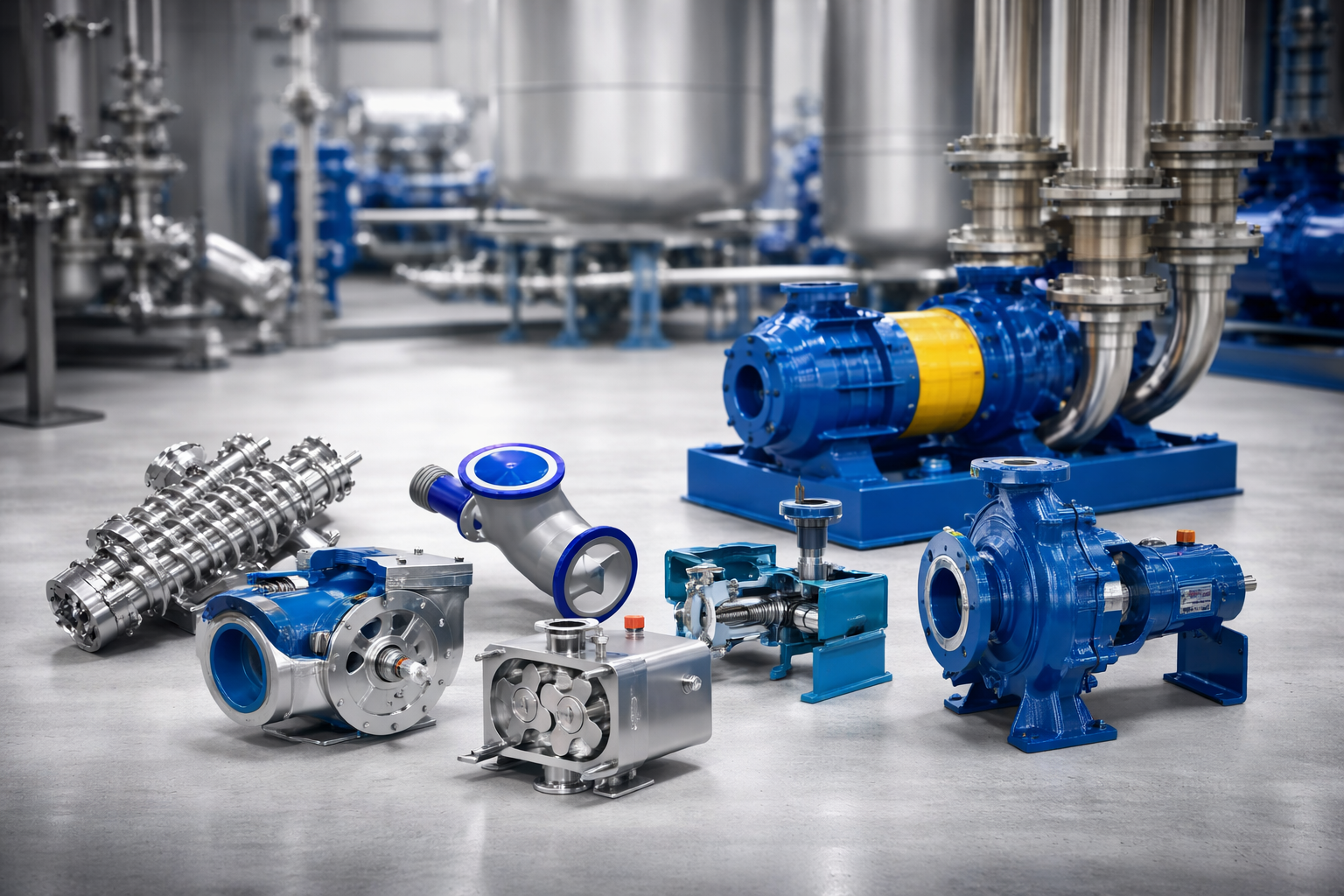 Types of Industrial Pumps: Uses, Applications & Differences
Trust me, nothing kills a conversation faster than a corroded pump shaft. It’s like watching a sad, wet firework.
If your water has chlorine or chemicals, choose a pump with plastic internals. It’s the difference between a pump that lasts ten years and one that lasts ten days.
Don’t Forget The Sucking Side
Your pump can be perfect, but if the suction pipe is too small, it’ll starve. You’ll hear it—cavitation, they call it. Sounds like rocks in a blender.
Keep suction lines short, straight, and big. No sharp turns. Every 90-degree elbow is like choke-holding your pump.
Oh, and always put a strainer on the suction line. You don’t want a stray rock to ruin your Tuesday.
The Motor And The Voodoo
Motors come in two flavors: single-phase (for small stuff) and three-phase (for industrial muscle). Three-phase is smoother, more efficient, and harder to explain at dinner parties.
Make sure your motor has the right voltage and enclosure. TEFC (Totally Enclosed, Fan Cooled) is your friend for dusty factories. For wet areas, go with a washdown-duty motor.
And variable frequency drives (VFDs) are like magic knobs for your pump. They let you adjust speed, save energy, and extend pump life. They’re not cheap, but they’re worth it if you need flexibility.
The Final, Painful Step
Look at the performance curve of your pump. I know, I know—curves are scary. But this graph tells you if the pump will actually work at your flow and pressure.
Ignore the curve, and you might buy a pump that hums but does nothing. Or one that overheats and shuts down every four minutes.
If the curve looks like a ski slope, fine. If it looks like a flat line, run away.
Still with me? Good. Now, go talk to a pump supplier. Tell them: “I need a pump for water that’s [clean/sludgy/acidic], moving [X] gallons per minute, up [Y] feet of head, with [Z] power supply.”
They’ll nod, look wise, and probably sell you something that works. If they try to sell you a gold-plated one, just laugh and walk away.
You’ve got this. Now go pump something.
