Whole House Water Filtration Softener System

So picture this: last Wednesday, I’m standing in my kitchen, filling a glass with water from the tap. It looks clear enough, but as I bring it to my lips, I get that unmistaka...

So picture this: last Wednesday, I’m standing in my kitchen, filling a glass with water from the tap. It looks clear enough, but as I bring it to my lips, I get that unmistakable whiff—the faint, chemical ghost of chlorine mixed with something that reminds me of a wet rock. I take a sip, and my brain just goes, “Nope.” I pour it down the sink and grab a plastic bottle from the fridge. Again. That’s the moment I realized I’d been paying for “premium” bottled water like a chump, while my own pipes were practically screaming for a whole house water filtration softener system. Sound familiar?
You see, that little kitchen drama isn’t just about bad taste—it’s about what’s actually happening to your plumbing, your skin, and your laundry every single day. Hard water is like that passive-aggressive roommate who never cleans up after themselves. It leaves chalky scale buildup inside your pipes, ruins your water heater’s efficiency, and makes your soap do that weird, slimy thing where it refuses to lather. A whole house system isn’t a luxury; it’s a rescue mission for your home’s infrastructure.
The difference between filtration and softening (hint: they’re not the same)
Here’s where people get tripped up—and I was totally one of them. Filtration is the guy who yells, “Hey, bad stuff like sediment, chlorine, and pesticides—get out of my house!” It uses carbon, sediment screens, or reverse osmosis to catch those nasties. Softening, on the other hand, is the diplomatic negotiator that swaps out calcium and magnesium ions (the scale-creating culprits) for sodium or potassium ions. You need both if you want water that tastes great and doesn’t turn your showerhead into a limestone fossil.
Must Read
Think of it this way: filtration gives you clean, tasty water for drinking and cooking, while softening gives you silky, fabric-saving water for bathing and washing. Combine them in a single tank system? Boom—you get the whole package: fewer spots on your dishes, softer hair, and a water heater that actually lasts past its warranty. (Your wallet will thank you later, trust me.)
Real talk: Is it worth the upfront cost?
I’ll be honest—I balked at the price tag when I first looked. A decent whole house system can run anywhere from $1,500 to $5,000 installed. Yikes. But then I did the math on bottled water costs (roughly $400 a year for my family), plus the damage hard water does to appliances (a $1,500 water heater replacement every 8 years instead of 15), and suddenly it felt like a no-brainer investment. Most systems pay for themselves in under four years.
Plus, there’s the “ick” factor that’s hard to ignore. Ever wiped down your shower doors and seen that white, crusty residue? That’s not just ugly—it’s your soap reacting with hard minerals to form a film that traps bacteria. Gross, right? A softener removes those minerals, so your bathroom stays clean longer and you use less cleaning products. Funny how a machine can save you elbow grease.
Installation: Not as scary as it sounds
Here’s the ironic part: I convinced myself I’d need a contractor, a plumber, and maybe a small exorcism to get this system installed. Nope. Most whole house units come in two main flavors: tank-based softeners (which need electricity and a drain line) and tankless filtration systems (which are more compact). If you’ve got basic DIY skills—like turning off water and using a wrench—you can often install them yourself in an afternoon.
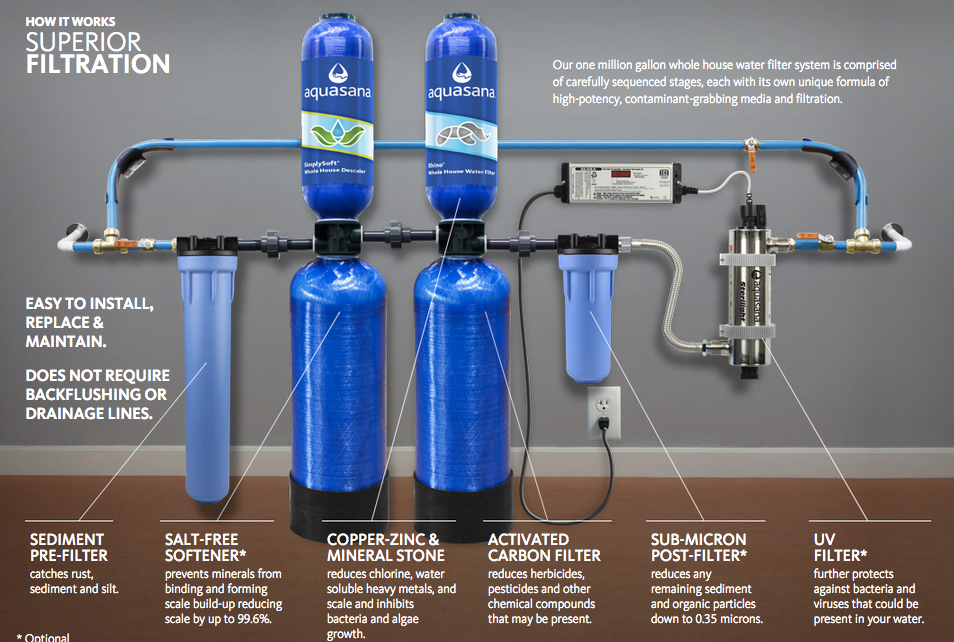 Best Whole House Water Filter System — Guide & Reviews
But if you’re like me and your idea of “handy” is changing a lightbulb, just hire a pro. It’s about $200-400 for installation, and they’ll make sure your bypass valve is set correctly so you don’t accidentally flood the basement. Ask me how I know that’s a thing. Also, check your local water hardness levels first—you can get a free test strip from most hardware stores. Takes two minutes, and it tells you if you even need a softener.
The maintenance myth (spoiler: it’s easy)
I thought I’d be refilling salt every week or changing filters like a mad scientist. Reality check: modern systems are lazy-friendly. Carbon filters need swapping every 6-12 months (takes 30 seconds), and the softener’s salt pellets just need topping off every 4-6 weeks. Newer systems even have digital control heads that auto-flush at night. You literally forget it’s there—until you taste that crisp, clean water from every tap and wonder how you lived without it.
One more thing: if you’re on a well, you absolutely need a dedicated sediment filter before the softener (not optional!). Well water is basically nature’s smoothie of sand, iron, and mystery bacteria. Trust me, you don’t want that gunk gumming up your softener resin. But that’s a story for another blog post.
So, should you get one? Absolutely, if you’re tired of buying bottles, annoyed by scale, or just want better showers. Start with a water test (seriously, do it today), then compare a few brands like Fleck, Rheem, or Aquasana. Your pipes, your wallet, and your thirsty self will all high-five you later. Now go drink that tap water—it’s about to get really, really good.
