Water Smells Like Rotten Eggs Only One Faucet

You walk into your bathroom, ready for a hot, cleansing shower, and that smell hits you. It’s not your typical morning musk; it’s the unmistakable, sulfuric punch of rotten eg...
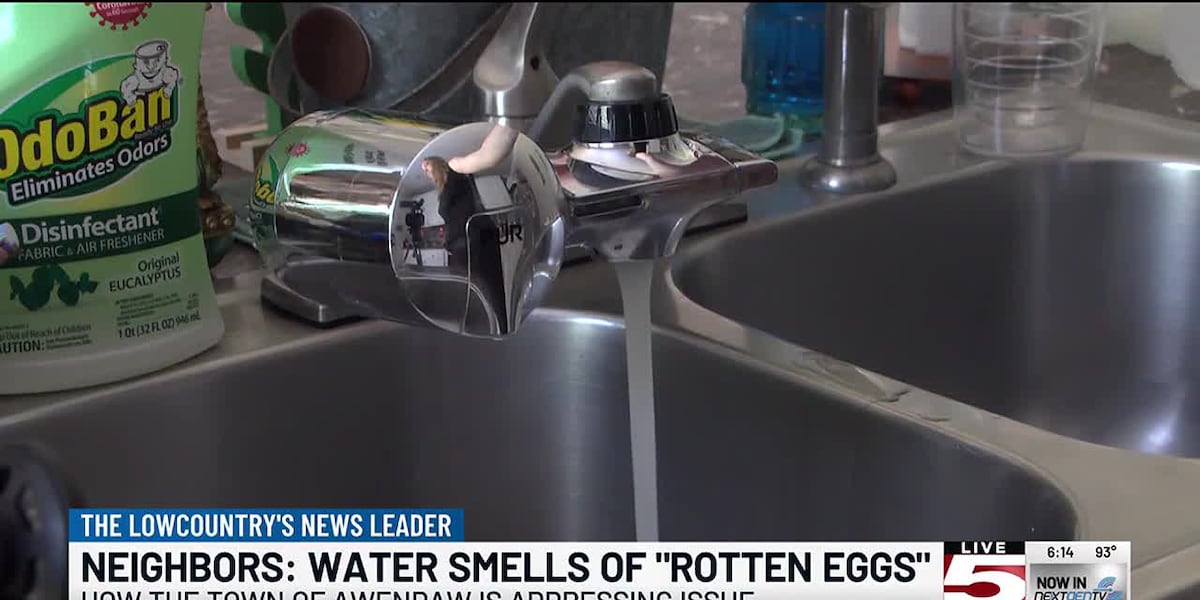
You walk into your bathroom, ready for a hot, cleansing shower, and that smell hits you. It’s not your typical morning musk; it’s the unmistakable, sulfuric punch of rotten eggs. And the kicker? It only happens at the one faucet in your kitchen or laundry sink, while every other tap in the house runs fresh and odorless. Welcome to plumbing’s most confusing prank.
The Science of Stinky H2O
That gag-reflex-inducing aroma is almost always caused by hydrogen sulfide gas (H₂S). It’s nature’s way of telling you that bacteria are having a very successful party inside your pipes. Usually, this gas is produced when organic matter or sulfates break down in a low-oxygen environment, like a neglected water heater or a rarely-used drain.
But why only one faucet? The culprit is often a specific pipe segment or a localized issue. If the smell hits your hot water only, your water heater’s sacrificial anode rod might be reacting with sulfur in the water, creating the stench in that singular path.
Must Read
Another prime suspect is the faucet itself. Aerators, those metal screens at the spout, are like mineral-trapping spiderwebs. Over time, they can accumulate enough gunk and bacteria to turn your tap into a miniature sewer vent.
The Usual Suspects: A Lineup
First, check if the odor disappears after running the water for a minute. If it does, that’s a huge clue: the gas is stagnating in a section of pipe that doesn’t get flushed daily, like a guest bathroom nobody uses. It’s the equivalent of a water-logged, forgotten closet.
If the smell is constant, you’re likely dealing with a bacterial colony living directly in the faucet or the immediate supply line. Think of it as a microbial squatter who’s decided your kitchen sink is a five-star resort.
And don’t forget the drain itself. A simple test: fill a cup with water from another faucet, walk over, and pour it down the troubled drain. If you still smell eggs, the problem is in the drain trap, not the water.
Practical Fixes That Don’t Require a Plumber
Start with the easiest fix: unscrew the aerator and soak it in a 50/50 mix of white vinegar and water overnight. This dissolves mineral buildup and kills most bacteria. It’s a spa day for your faucet, and it costs about thirty cents.
Next, flush the water heater. Attach a garden hose to its drain valve, run it outside, and let a few gallons roar out. This stirs up settled sediment that hosts the sulfur-loving bacteria. If you hear gurgling, you’re on the right track.
For persistent ghost-stink, shock the system with hydrogen peroxide. Pour a cup of 3% hydrogen peroxide into the drain or down the faucet’s open pipe (after removing the aerator). Let it sit for 15 minutes, then flush with hot water. It’s like a good, chemical exfoliation.
When to Call the Pros
If the smell is overwhelming and sticks around after cleaning, the bacteria might be living in your water softener or a buried pipe. That’s when you need a plumber with a camera and a thick stomach.
 Why Does My Water Smell Like Rotten Eggs? Simple Solutions
Also, if the water tastes metallic or looks discolored alongside the smell, stop drinking it immediately. You could have a corrosion issue in your pipes, which is bad news for your health and your home’s structural integrity.
Finally, never ignore that rotten egg smell in cold water lines. It’s rarer but can indicate a problem with your well water or a deteriorating water main. That’s a job for a professional, not a YouTube tutorial.
Cultural References for the Stink-Curious
Did you know that hydrogen sulfide is the same gas that makes hot springs smell like spoiled eggs? Yellowstone National Park’s iconic steam vents owe their pungent aroma to the exact same chemical. So, your faucet is essentially giving you a budget spa experience—just without the volcanic view.
In classic detective fiction, “the smell of gas” was often a red herring for a more sinister plot. In your case, the plot is simply a six-month-old aerator and a forgotten weekend trip. Not quite Raymond Chandler, but equally mysterious.
Fun fact: Hydrogen sulfide is actually heavier than air. That’s why the smell tends to linger low, around your sink basin, rather than rising up to your nostrils like a cartoon skunk. Bend down—you’ll get a stronger whiff of the science.
A Little Reflection
In a world where everything feels connected and instantaneous, a single stinky faucet is a funny reminder that life lives in the details. We ignore pipes, drains, and aerators until they demand our attention with a primal smell. It’s the universe’s way of saying, look closer at what’s running unseen.
So next time you’re hit with that sulfur whisper, don’t just cringe. Take a breath (after stepping back), grab some vinegar, and investigate. Because fixing a small, weird problem in your bathroom is a lot like untangling a bad mood—it’s satisfying, oddly personal, and leaves you feeling like a secret master of your domain.
And hey, once you solve it, your morning coffee will taste that much better, knowing you single-handedly defeated the rotten-egg uprising in your kitchen. That’s a win most people never know they can achieve.
