Can You Put Too Much Salt In A Water Softener

So, you’ve got a water softener. Good for you. You’re basically a wizard who banishes hard water scale and makes your soap sudsy. But now a dark thought creeps in: Can you put...
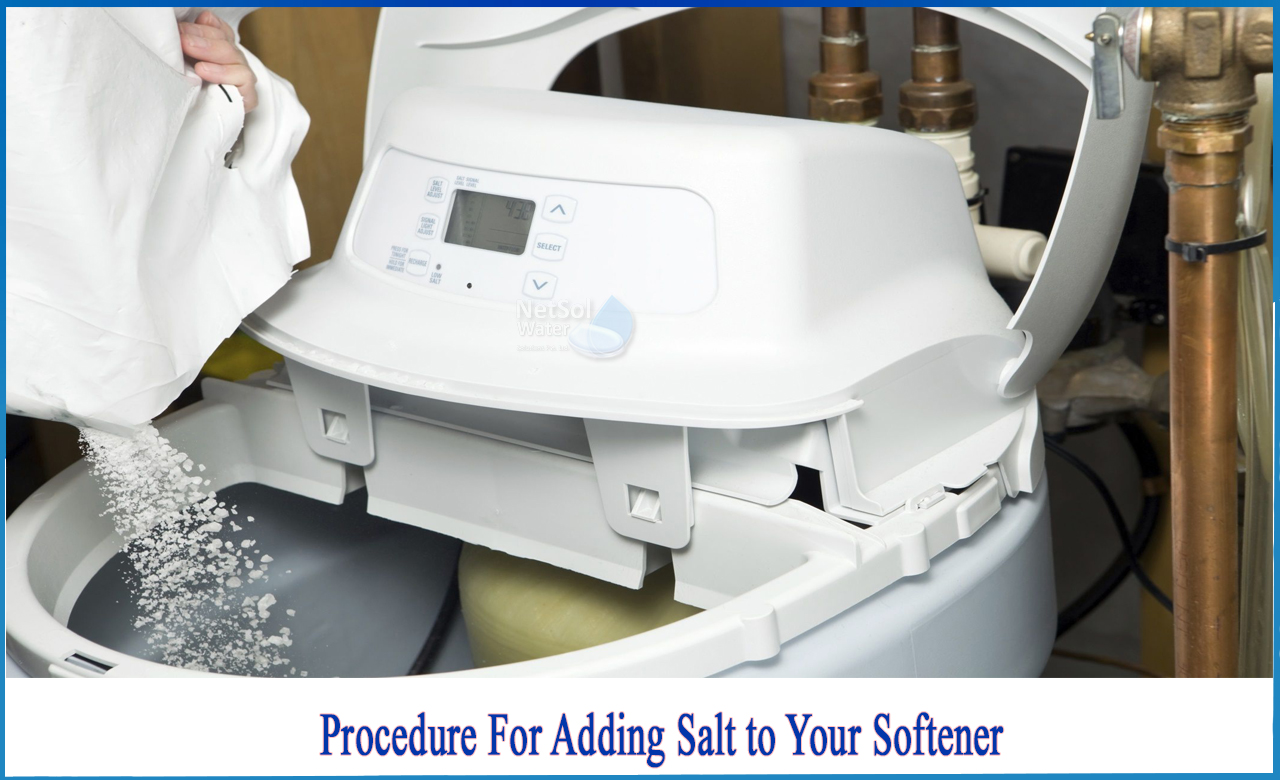
So, you’ve got a water softener. Good for you. You’re basically a wizard who banishes hard water scale and makes your soap sudsy. But now a dark thought creeps in: Can you put too much salt in a water softener? Let’s dive into this briny question before you turn your appliance into a salt lick for the neighborhood deer.
The Salt Contradiction: More Isn’t Always Magical
Here’s the first surprise: Yes, you absolutely can over-salt your water softener. It’s like thinking if a little hot sauce on tacos is good, a whole bottle must be transcendent disaster. Your softener doesn’t work like a saltwater aquarium—it’s a delicate balance, not a salt-crusted margarita rim.
The machine works by using a resin bed that grabs calcium and magnesium, then flushes them away with a salty brine. If you pack in too many pellets, you don’t get extra-soft water; you just create a salt bridge—a crusty, hollow dome of salt that blocks the water from reaching the pellets at all. Suddenly, your softener is just a fancy paperweight full of irony.
Must Read
What Actually Happens When You Overdo It?
Imagine your water softener is having a midlife crisis. You dump in a 50-pound bag when the tank is already half-full, creating a salt mountain that touches the lid. The brine solution gets supersaturated, meaning the water can’t dissolve enough salt to work properly. Your appliance starts whimpering.
You might notice salty-tasting water coming out of your tap—which is weird, holy water for a vampire, but not ideal for your morning coffee. The excess salt can also cause bridging or mushing, where the salt turns into a slushy, uncooperative goop. It’s like trying to run a marathon in wet concrete.
And here’s a fun fact: One pound of salt can remove about 4,000 grains of hardness. So a 40-pound bag could theoretically handle 160,000 grains—that’s more than the typical household sees in a month. Overfilling isn’t just wasteful; it’s practically giving your salt a mansion to do nothing.
The Surprising Science of Salt Thirst
Your water softener doesn’t actually use the salt daily. It only consumes salt during a regeneration cycle, which happens every few days to a week depending on your water usage. So pouring in a year’s supply upfront is like buying 365 pizzas for a single dinner party.
In fact, most modern softeners have a little floating gadget or a sensor to tell you when the salt is low. Ignore that, and you’re just playing a game of “Will the Bridge Hold?”—a contest nobody wins. The real danger is that too much salt can damage the control valve, turning your $800 investment into a salty paperweight faster than you can say “hard water ring.”
But Wait, Can It Explode?
No. Relax. Your water softener won’t explode like a spud gun. It will, however, slowly suffocate under the weight of its own salt supply. The brine tank isn’t designed for a Mount Everest of salt pellets—just a nice, respectful hill.
I once read a forum post where a guy filled his tank so full he couldn’t close the lid. He used a crowbar. Then the salt bridged, he had to chip it out with a hammer, and his water tasted like a pretzel for two weeks. Don’t be that guy.
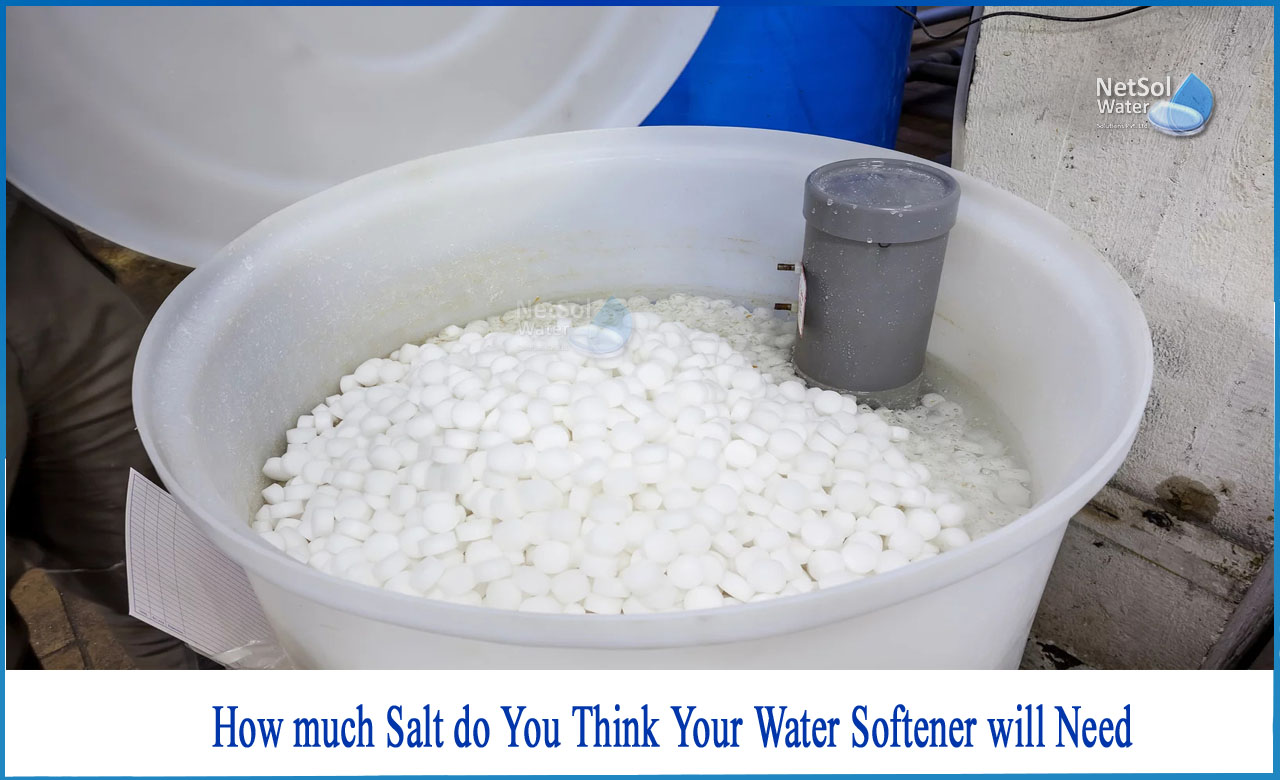 Water Softener Add Salt To Water at Wilda Talley blog
How Much Is “Just Right”?
The golden rule: Keep the salt level at least 6 inches below the top of the tank, but always above the water level. If you can see the water, you’re safe. If you can’t see anything but salt, you’ve probably overdone it.
Most pros recommend filling the tank about half to three-quarters full during each refill. That way, you’ve got room for the salt to dissolve, the water to flow, and your conscience to stay clean. Think of it as Goldilocks for plumbing—not too little, not too much, but just right.
And here’s a free pro tip: Use solar salt or evaporated salt pellets, not rock salt. Rock salt has impurities that can gunk up your resin. It’s like feeding your car low-grade fuel because it’s cheaper—sure, it runs, but it’s grumpy about it.
What If You Already Overfilled It?
First, don’t panic. Grab a plastic cup, a spatula, and your patience. Scoop out the excess salt until you see the water level. If it’s a solid bridge, gently tap it with a broom handle until it cracks. Then remove the chunks.
If the water tastes salty, run a few regeneration cycles manually. That will flush out the extra brine. Your taste buds will thank you before you’ve even made your second cup of tea. And never, ever use pool salt or table salt in your softener—they’ll either corrode the system or turn your water into a science experiment.
The Final, Salt-Flecked Verdict
So, can you put too much salt in a water softener? Absolutely. It’s one of the few places in life where you should not adopt a “more is better” mindset. Your softener wants a modest, well-fed life, not a salt-induced coma.
Think of it like this: You’re the chef of your own plumbing. A sprinkle of salt? Delicious. A salt tsunami? You’ll be scraping the tank with a chisel while your neighbors wonder why your lawn is so happy. Keep it moderate, keep it dry, and for the love of soft water, always leave room for the lid to close.
Now go forth, salt moderately, and enjoy your silky-smooth showers. Your water softener will high-five you with a gentle hiss of brine.
