Can A Water Softener Cause Low Water Pressure

So, your shower suddenly feels like a gentle drizzle instead of a satisfying torrent. You blame your new water softener. Is it the villain? Let’s investigate this watery whodu...
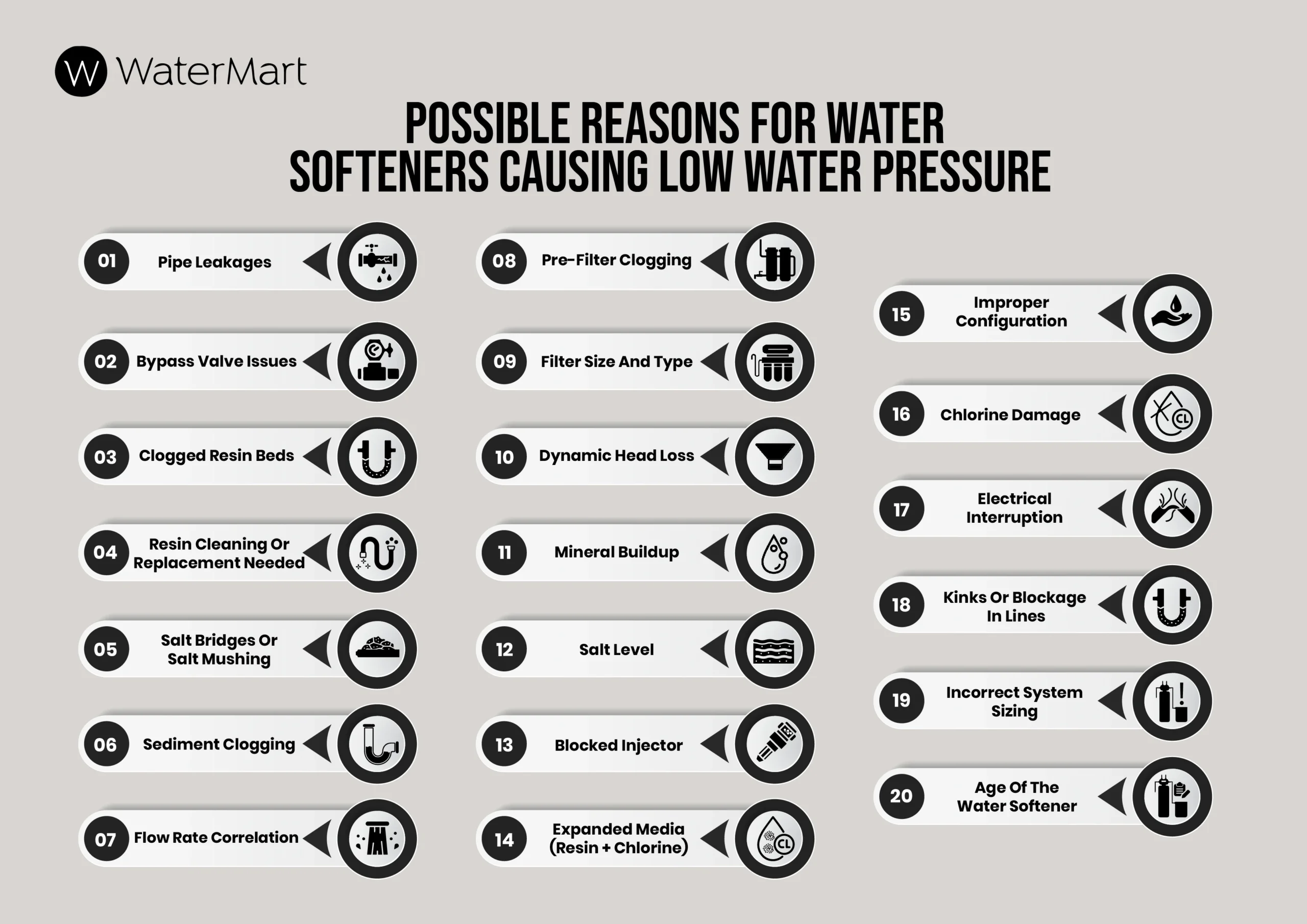
So, your shower suddenly feels like a gentle drizzle instead of a satisfying torrent. You blame your new water softener. Is it the villain? Let’s investigate this watery whodunit.
First, a fun fact: water softeners don’t create pressure; they manage flow. Imagine a bouncer at a club—they check IDs, not shove people out. Your softener just removes minerals (calcium and magnesium) using resin beads. Easy, right?
But here’s the quirky twist: sometimes, that bouncer gets clogged. If your water is super hard, the resin beads can become coated with iron or debris. This makes them swell, like a sponge that drank too much. That swelling restricts water flow, causing pressure to drop.
Must Read
Think of it like a straw with a tiny wad of gum inside. You can still sip, but it’s a struggle. That’s your softener when it’s fouled. It’s not broken—it’s just chubby with sediment.
The Real Suspects: Pipes and Settings
Here’s the funny part—your softener rarely acts alone. It’s often a team effort. Rusty old pipes inside your walls are prime suspects. They’ve been slowly filling with scale for years.
When you install a softener, it strips away that scale. Suddenly, loose bits of gunk break free and drift downstream. They can jam up your faucet aerators or showerheads. Your pressure drops, and everyone blames the softener.
It’s like cleaning your house and finding a sock in the vacuum cleaner. The tool isn’t evil—it just unearthed old garbage. Check your aerators first. Unscrew them and rinse. You might find a tiny gravel pit.
Size Matters—No, Really
Did your plumber install a softener that’s too small for your house? This is a classic goof. A toy-sized unit for a large family is like using a teacup to fill a bathtub. It works, but slowly.
During peak usage (like two showers and a dishwasher running), the softener can’t keep up. Water trickles through. Pressure tanks. You get that sad, weak stream. The solution? A bigger unit, or a second one for heavy-duty homes.
Also, check your bypass valve. Did someone accidentally leave it half-closed during installation? That’s the equivalent of stepping on a garden hose. It’s a simple fix—just twist it open fully.
The Silent, Greedy Regeneration Cycle
Here’s a juicy, little-known detail: water softeners flush themselves clean at night. This process, called regeneration, literally pauses water flow to your house. If someone sets it to run at 7 AM, you get a low-pressure surprise while brushing your teeth.
It’s like your softener taking a bathroom break. You just caught it mid-bathroom-break. Check the timer. Most units regenerate every two to three days. Move it to 2 AM, when you’re dreaming of high-pressure showers.
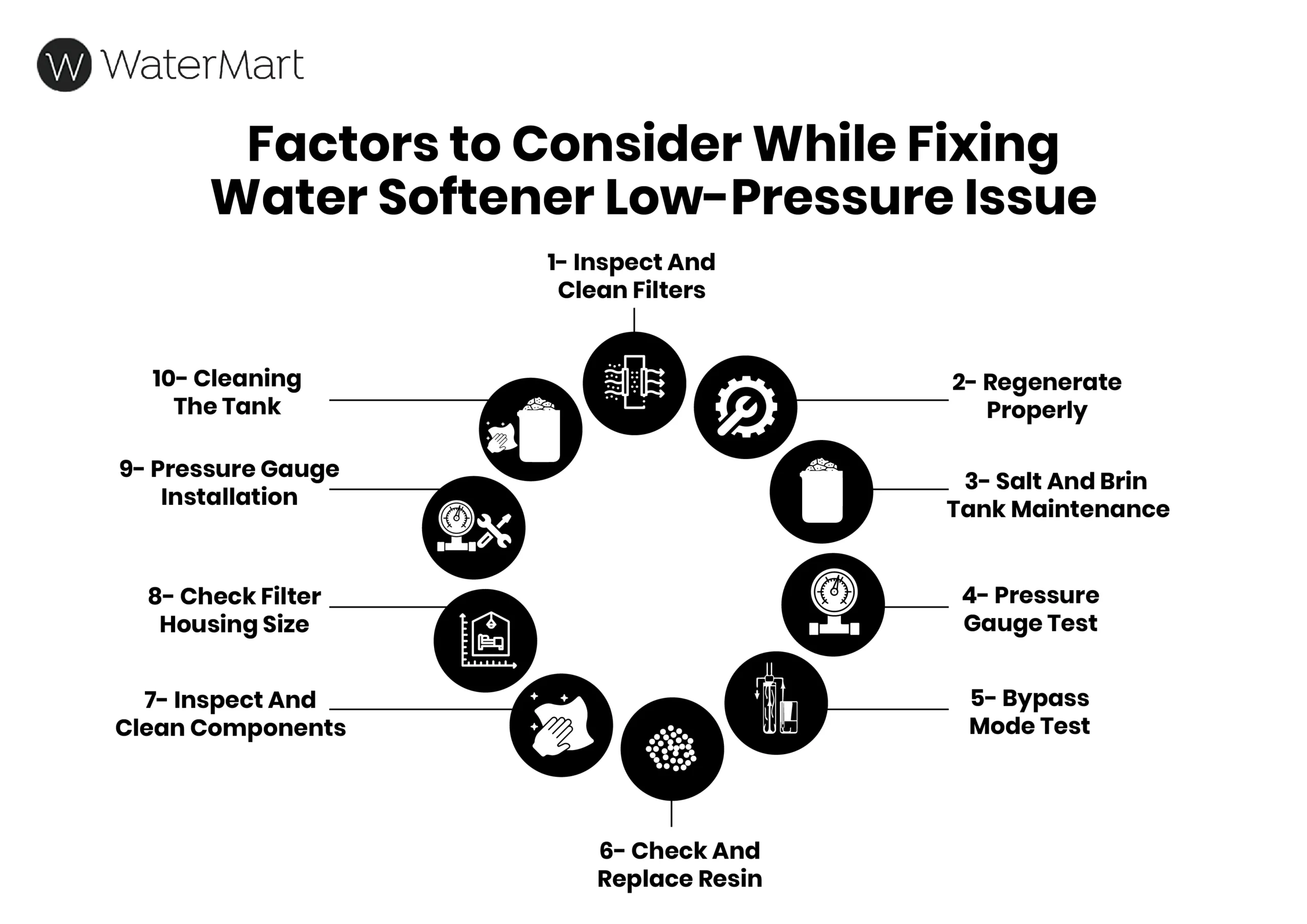 Water Softener Low Pressure - How To Diagnose And Fix?
And here’s a weird one—over-softening. Yes, that’s a thing. If your water is already soft, adding a softener creates “slippery” water that feels like it has less pressure. It doesn’t, but your soap won’t rinse off. You feel frustrated. That frustration mimics low pressure.
The Irony of “Hard” Water Hype
Iron-loving bacteria can grow inside your softener if you have well water. These tiny slimy colonies create biofilms that block valves. It’s gross, but also fascinating. A simple bleach treatment or resin cleaner can fix it.
Or, consider this: your water meter might be the problem. Some cities install restrictive flow meters that limit gallons per minute. A softener adds a tiny bit of resistance. Combined, you get a trickle. Call your utility company—they might have a chart for expected flow rates.
Don’t forget the drain line. If the tube that carries away brine gets kinked, the softener can’t regenerate properly. It gets confused and restricts flow. It’s like a sleeping bag caught in a zipper. Straighten it out.
The Verdict: Guilty or Not?
Most of the time, your water softener is innocent. It’s a scapegoat. The real culprit is accumulated junk, wrong settings, or old plumbing. But occasionally, a cheap or clogged unit can cause low pressure.
Here’s your fun troubleshooting checklist: listen for gurgling sounds during showers. That means air in the pipes, often from a softener cycle. Smell for rotten eggs? That’s sulfur bacteria growing inside. Act fast.
And remember—water softeners are magical devices that make your skin feel like silk and save your appliances. They deserve a little detective work. You’re the Sherlock of your own plumbing.
So grab a wrench. Check your aerator. Peek at the bypass valve. You might find a tiny handful of gravel that was making your life miserable. Fix it, and your shower will roar back to life. Then you can brag at parties about your victory over mineral tyranny.
Low pressure isn’t a tragedy—it’s a puzzle. And you just solved it. Now go enjoy that glorious, soft-water blast. You earned it.
