How Many Cups Of Water Per Day Should I Drink

So, last Thursday, my friend Lisa texted me a photo of her new, enormous water bottle—the kind that looks like it could hydrate a small horse. She captioned it: “Game on. I’m...
So, last Thursday, my friend Lisa texted me a photo of her new, enormous water bottle—the kind that looks like it could hydrate a small horse. She captioned it: “Game on. I’m drinking my eight cups a day, no excuses.” By noon, she’d refilled it twice. By 3 PM, she was in the bathroom so often she swore the stall had her name on a plaque. Classic Lisa. It got me thinking: is that eight-cup rule actually real, or just another wellness myth we’ve all blindly accepted?
You know the drill: eight glasses. It’s the magic number we’ve heard since grade school, whispered by fitness gurus and plastered on motivational water bottles. But here’s the kicker—that number is less science and more of a rough guess from a 1945 recommendation. Surprised? Yeah, me too. It’s like saying everyone needs exactly 2,000 calories a day, regardless of whether you’re a marathon runner or binge-watching on the couch.
So, what’s the real deal?
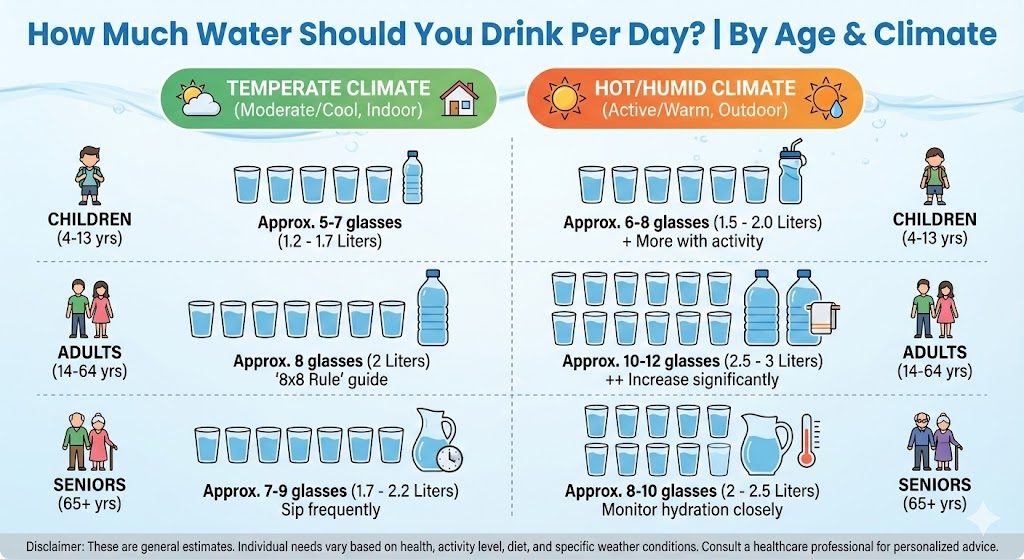
Your water needs depend on you—how much you sweat, what you eat, and where you live. A 150-pound desk jockey in rainy Seattle doesn’t need the same as a 200-pound hiker in Phoenix. The National Academies of Sciences actually says about 3.7 liters (that’s ~15 cups) for men and 2.7 liters (~11 cups) for women total daily intake. Wait, that’s way more than eight, right?
Must Read
But hold up—that’s total water from all sources, including food and other drinks. Soup, juicy fruits, even that morning coffee counts. Seriously, coffee isn’t a diuretic myth. Your body is smart enough to absorb the water in your latte. So if you eat a salad or an apple, you’re already ahead of the game. See? You’re probably doing better than you think.
Listen to your body (yes, it talks)
Forget the glass count. Your body has a built-in hydration alarm—it’s called thirst. If you’re thirsty, drink. If your pee is pale yellow, you’re golden. Dark yellow? Chug a glass. Unless you just ate beets—then ignore the color. It’s that simple, but we love to overcomplicate things.
Ironically, the people who haul around a gallon jug and force themselves to drink every hour often end up with headaches and bloating. Overhydration is a real thing—it can dilute your sodium levels. So no, you don’t need to drown yourself to be healthy. Your kidneys can only process about 0.8-1 liter per hour; beyond that, you’re just peeing like a racehorse.
The sneaky factors that change everything
Think about your morning. If you sweat during a workout, you’ll need more. If it’s a humid summer day, same story. Pregnant or breastfeeding? Add extra cups. Hangry? Drink water first—the brain often confuses thirst with hunger. I’m guilty of this: I’ll crave chips, drink water, and suddenly realize I just wanted a sip.
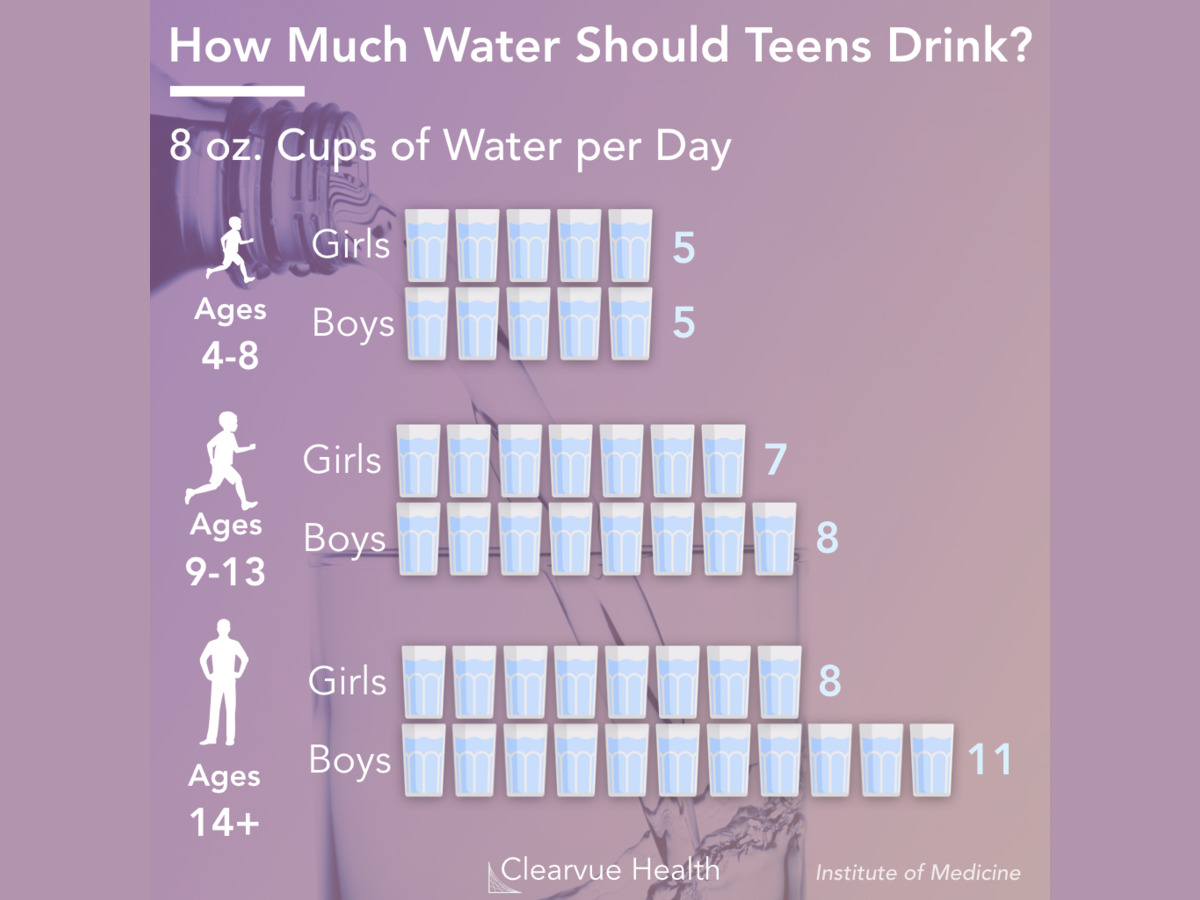 How Much Water Should You Drink A Day Water Chart: How Much Water
Also, age plays a role. Older adults often lose their thirst sensation, so they need to be more mindful. On the flip side, if you’re young and active, you might need to chug more after a run. There is no universal template. You’re not a cookie; you’re a glorious, sweaty snowflake.
How to make it easy without measuring cups
Here’s my lazy-friendly hack: just keep a reusable water bottle on your desk or in your bag. Sip it throughout the day, and refill when it’s empty. Don’t fixate on the ounces. A good benchmark is to drink enough so you rarely feel thirsty, and your urine looks like lemonade, not apple juice.
If you want a simple number, aim for six to eight cups (about 1.5-2 liters) of plain water as a baseline, especially if you’re sedentary. But if you’re active or it’s hot, bump it to ten. The key is flexibility. Your body isn’t a calculator; it’s a dynamic system. Treat it with respect, not a math problem.
The ironic truth
Back to Lisa. By day three of her eight-cup obsession, she had skin that looked dewy—but she also complained about constant bathroom breaks and feeling “sloshy.” She dropped the rigid rule and now just drinks when she feels like it. Her skin still looks great, and she’s not peeing every twenty minutes. Victory.
So, how many cups per day should you drink? Here’s my honest answer: enough. Enough to keep your body happy, your brain sharp, and your pee pale. If you need a number, stick to around 8-10 cups as a rough guide, but for pity’s sake, don’t sign a contract with it. And if you ever feel like you’re drowning in hydration advice—take a sip, relax, and remember: you’re not a plant.
