What To Do If You Have Dry Scalp And Dandruff

So, you’ve got a dry, itchy scalp and a little snowstorm on your shoulders. Don’t panic—you’re not alone, and you’re definitely not a human dandruff factory. We’re going to fi...

So, you’ve got a dry, itchy scalp and a little snowstorm on your shoulders. Don’t panic—you’re not alone, and you’re definitely not a human dandruff factory. We’re going to fix this, and we’ll have a few laughs along the way.
First, Let’s Figure Out Who’s the Real Villain
Is it dry scalp (tight, small flakes) or dandruff (greasy, larger, yellow-ish flakes)? Think of it like this: dry scalp is your skin throwing a thirsty tantrum, while dandruff is a tiny fungus named Malassezia throwing a oily, itchy party. If you’re not sure, just look—dry flakes are like snow, dandruff flakes are like potato chip crumbs. (Gross, but accurate.)
For dry scalp, your goal is hydration. For dandruff, you need to evict the fungus. Don’t worry, we have weapons for both.
Must Read
Step 1: The Shampoo Shuffle—Pick Your Potion
For dry scalp: Grab a gentle, moisturizing shampoo without sulfates. Look for words like “hydrating,” “aloe vera,” or “coconut oil.” Don’t use a harsh shampoo that strips all the oil—unless you want flakes the size of small frisbees.
For dandruff: You need a medicated shampoo with zinc pyrithione, selenium sulfide, or ketoconazole. These ingredients are like tiny bouncers kicking the fungus out of the nightclub (your scalp). Use it twice a week, and leave it on for 3–5 minutes—sing “Happy Birthday” twice, and you’re golden.
Pro tip: Rotate two different dandruff shampoos so the fungus doesn’t get too comfortable. Fungus is lazy, but it learns fast. Outsmart it.
Step 2: Wash Like You Mean It—But Not Like a Maniac
Scrub your scalp with your fingertips, not your claws. Nails will leave tiny cuts that get angry and itchy. Use your pads, like you’re giving yourself a gentle scalp massage—you deserve it. And don’t use super hot water; it strips your natural oils and turns your head into a desert. Lukewarm is your friend.
Also? Wash your hair only when it’s dirty—over-washing invites more flakes. For most people, that’s every 2–3 days. If you’re a daily washer, at least use a mild conditioner or a co-wash (conditioner-only wash). Your scalp will thank you with fewer snowflakes.
Step 3: The Post-Wash Hug—Moisture, Moisture, Moisture
After shampoo, slap on a sulfate-free conditioner from mid-shaft to ends. Don’t pile it on your roots like whipped cream on a latte—that’ll clog pores and make flakes worse. Use a lightweight leave-in conditioner or a few drops of jojoba oil on your scalp if you have dry scalp. For dandruff, skip scalp oils unless they’re specially formulated (e.g., tea tree oil in a carrier oil).
A quick DIY secret: aloe vera gel straight from the leaf works miracles for both issues. It’s cool, soothing, and smells like a spa. Rub a little on your itchy spots—just don’t let your cat steal the leaf.
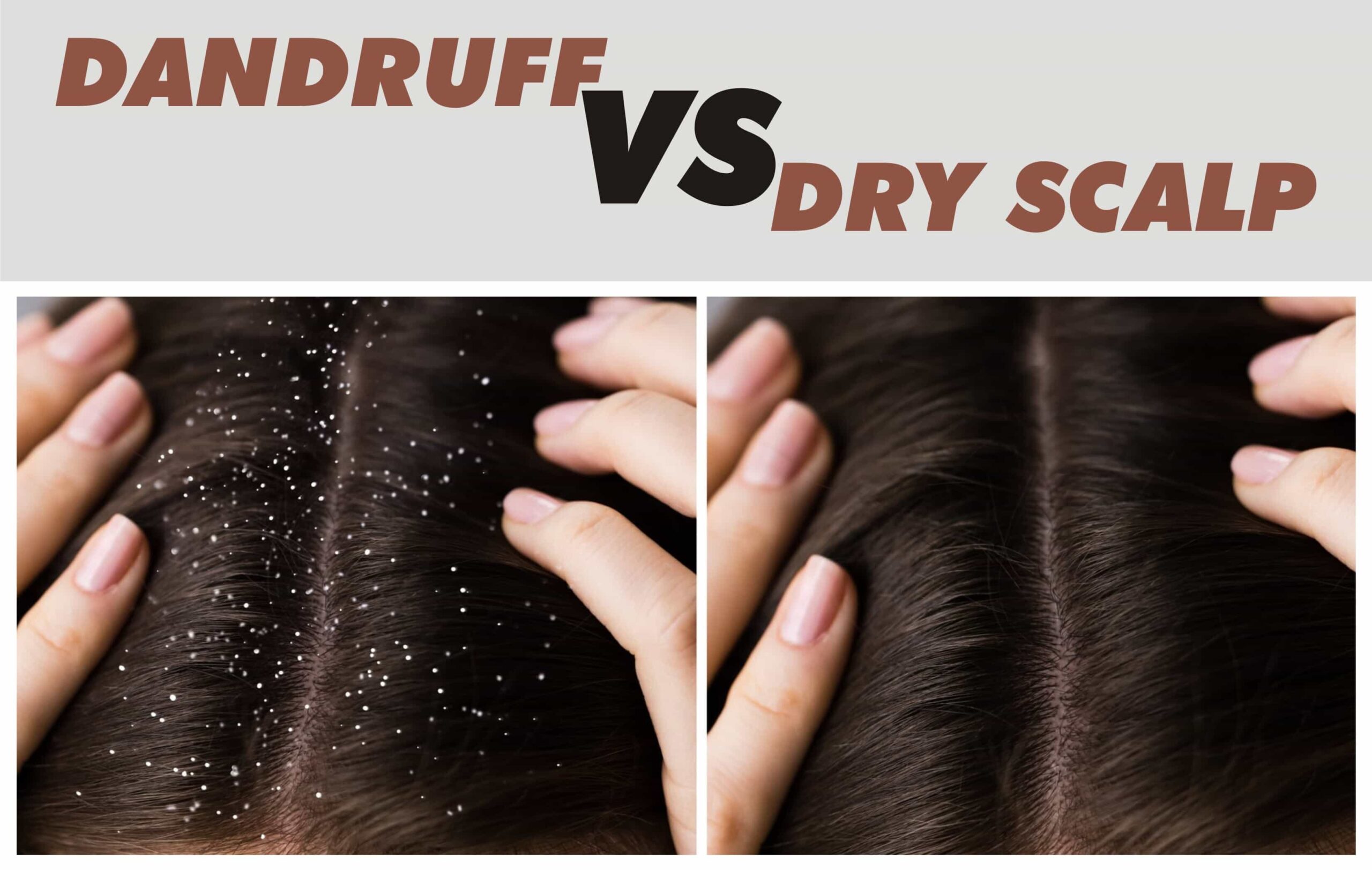 dandruff dry scalp: causes, symptoms, and effective treatments
Step 4: Lifestyle Tweaks—Yes, It’s a Thing
Stress makes everything worse, including your scalp’s drama. Yes, stress can literally trigger dandruff flare-ups. Breathe, take a walk, or laugh at a bad joke—like this: “Why did the dandruff cross the road? Because it couldn’t find a good shampoo.” (Okay, groan.)
Also, drink water and eat healthy fats (think avocados, salmon, nuts). Your skin—including your scalp—is basically a diva that needs proper hydration and a little omega-3. And no, pizza doesn’t count as a healthy fat, but I see you trying.
Step 5: The Brush-Off—Use the Right Toolkit
Get a bristle brush or a wide-tooth comb to gently exfoliate your scalp. Brush before you wash to loosen flakes—like raking leaves before a storm. But don’t go full force or you’ll look like you lost a fight with a hairbrush. Gentle, gentle, gentle.
Wash your hairbrush once a week, too. Dead flakes and old product buildup are basically a buffet for fungus. Your brush should be clean enough to eat off (please don’t actually eat off it).
When to Call in the Big Guns
If your scalp is red, swollen, bleeding, or weeping (ew—I know), see a dermatologist. You might have a condition like psoriasis, eczema, or a funky infection that needs prescription meds. Also, if over-the-counter shampoos don’t work after a month, don’t soldier on—get a pro. Your doctor can prescribe stronger stuff like ketoconazole 2% or topical steroids.
And hey, don’t be embarrassed. Derms see scalps all day. They’ve seen much weirder things, like hairballs, glitter infestations, and wigs that went rogue. You’ll be fine.
One Last Thing: Don’t Pick!
Do not scratch. I know it feels good, like popping a bubble, but picking creates wounds that get infected and make flakes multiply like bunnies. If the itch is driving you up the wall, press a cold washcloth against your scalp for 30 seconds. Or slap your head lightly—not hard enough to hurt, but enough to distract your brain. It works, I swear.
Uplifting Conclusion (Or: You’ve Got This, Flake-Free Friend)
Look, dandruff and dry scalp are annoying, but they’re not a life sentence. They’re just your skin being a little dramatic. With the right shampoo, a touch of patience, and a few giggles, you’ll be back to wearing dark shirts without fear. Soon, you’ll be so flake-free that snow will feel jealous. Remember: a little itch is just your scalp asking for a hug. Give it that hug with a gentle shampoo and a good conditioner. You’re not broken—you’re just moisturizing-challenged. And that’s fixable. So go forth, wash your hair like a boss, and don’t let the flakes rain on your parade. You’re a star, and stars always shine brightest after a good wash.
