How Long Is Water Good For In Plastic Bottles

So, you’re parched, you grab a plastic water bottle from the back of your car, and then you pause. Is this still good? Has it been there since, like, last spring? You’re not a...
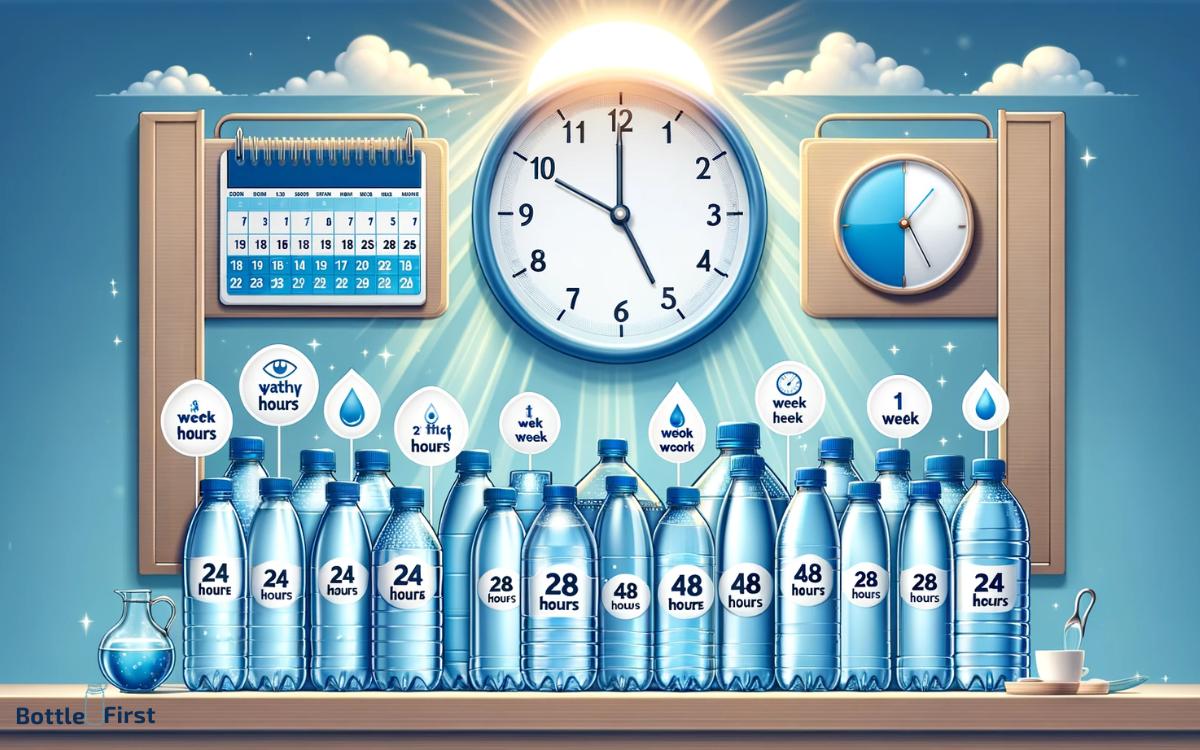
So, you’re parched, you grab a plastic water bottle from the back of your car, and then you pause. Is this still good? Has it been there since, like, last spring? You’re not alone—we’ve all been there, squinting at a translucent gallon, wondering if it’s still technically water or if it’s become something else entirely.
Here’s the chill truth: water itself doesn’t really go bad. It’s just H2O molecules, right? But when it’s sealed in plastic, the real story is about the container, not the liquid. Think of it like a fantastic house for water—but one that starts to get a little weathered over time.
The Shelf Life of a Plastic Castle
Most bottled water comes with a printed expiration date, usually two years from when it was bottled. But don’t panic—that date is mostly about the bottle, not the water turning into poison. It’s like a "best by" sticker on a bag of chips; the chips won’t kill you, but they might taste a bit stale.
Must Read
What actually changes? Over months, plastic can start to leach tiny amounts of chemicals like antimony or phthalates into the water. It’s a slow, quiet process—like a very boring game of telephone where the water picks up a faint "plastic accent." That’s why cool, dark storage is your friend.
Compare it to a camping trip: leave your bottle in a hot car for a week, and that water will taste like a melted action figure. Keep it in a fridge or a cool pantry, and it stays crisp and clean for months.
Why Temperature is the Real Boss
Heat is the villain in this story. When plastic gets warm—say, baking in a sunny glove compartment—it speeds up the leaching process. It’s like the plastic feels a little grumpy and starts sharing its "essence" with the water faster.
Cool temperatures, on the other hand, put the whole system on a nice, slow simmer. A bottle stored at 70°F will taste fresher longer than one left in a 90°F trunk for a month. Location matters—so treat your plastic bottle like a sensitive friend who prefers shade and a gentle breeze.
Here’s a fun comparison: think of a plastic bottle like a rental car. You can drive it for a few months, and it’s fine. But after a year of sitting in the sun with the windows up? That interior starts smelling like a science experiment.
The Microplastic Chat
You’ve probably heard the buzzword "microplastics"—tiny flecks of plastic that break off into the water. Spoiler: even fresh bottled water has some. It’s like finding a few grains of sand on a beach towel; it’s already there, and it’s not a huge deal for most people.
Over time, especially with older or repeatedly reused bottles, those flecks can increase. But the science is still fuzzy, like a distant radio station. Most experts say: don’t stress about a bottle that’s a few months old—your body handles these tiny particles just fine.
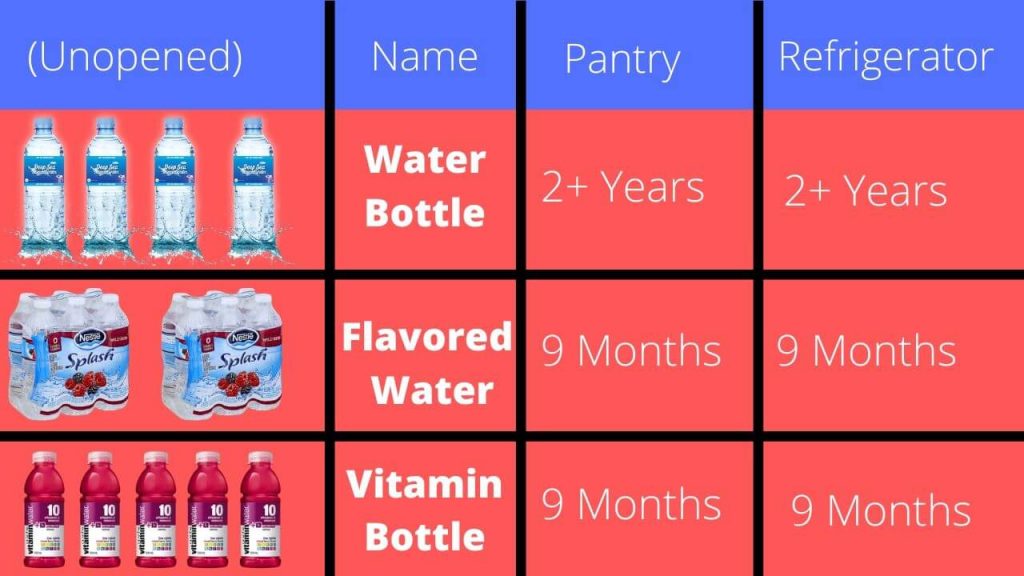 How Long Does Water In Plastic Bottles Last | Detroit Chinatown
Honestly, the bigger worry isn’t the water going bad—it’s the taste. That "off" flavor you get from an old bottle is your nose telling you, "Hey, this water has been hanging out with plastic for too long." It’s not dangerous, just… meh.
So, How Long is "Good"?
For unopened bottles: up to two years if stored cool and dark. That’s like a frozen pizza in your freezer—technically edible forever, but best enjoyed within a reasonable window. Once you crack it open, drink it within a few days. Opened water is a VIP party for airborne bacteria.
For reusable plastic bottles (like a Nalgene or a sports bottle): replace them every year or so. They get scratched and worn, which creates little hiding spots for germs and speeds up plastic breakdown. It’s like a toothbrush—you wouldn’t use the same one for five years, right?
Here’s a quick experiment: next time you find an old bottle, smell the rim. If it smells like a wet basement or a plastic toy, pour it out. If it smells like nothing, you’re probably fine. Your nose is your best buddy here.
The Chill Bottom Line
Water doesn’t spoil, but plastic ages. Think of it as the difference between a classic novel and a cheap paperback—the story is still the same, but the packaging gets a little worn and floppy over time. If you’re worried, just drink it fresh. But if you forget a bottle in the car for a month? Don’t sweat it—it’s not going to hurt you.
The real takeaway? Store smarter, drink happier. Keep bottles out of the sun, replace them occasionally, and trust your senses. Water is forgiving, and so are you. Now go hydrate—your body’s been waiting for this moment.
P.S. — Ever notice how the same water tastes better from a glass? That’s not just your imagination. Glass is the silent hero of hydration. But that’s a story for another day.
