How Long For Chlorine To Evaporate From Water

I once tried to surprise my goldfish, Bubbles, with a fresh bowl of tap water. I filled it up, waited maybe ten minutes (sorry, Bubbles), and poured him in. He did a little sp...

I once tried to surprise my goldfish, Bubbles, with a fresh bowl of tap water. I filled it up, waited maybe ten minutes (sorry, Bubbles), and poured him in. He did a little spin, then a very dramatic float. He wasn't dead, just extremely offended. That’s when I learned chlorine doesn’t just vanish on your schedule.
Turns out, that “fresh out of the tap” smell is actually chlorine doing its job. And it takes a surprising amount of time to pack its little chemical suitcase and leave. Let’s dive into the timeline, shall we? Spoiler: it’s longer than you think.
The Short Answer (Before You Panic)
In an open container at room temperature, most free chlorine will evaporate in 24 to 48 hours. Yes, a full day or two. If you’re impatient like me, you might be staring at that bucket of water with serious judgment.
Must Read
But don’t worry—we can speed things up. The key factors are surface area, temperature, and air movement. Chlorine is a gas dissolved in water, and it’s just waiting for an excuse to escape into the air.
(Side note: if you smell chlorine strongly, you’re literally smelling it evaporate. So your nose is the leak detection system.)
Why Does It Take So Long?
Chlorine doesn’t “go away”; it off-gasses. Think of it like soda going flat, but with less fizz and more swimming pool vibes. The molecules need to reach the water’s surface to break free, and that takes time.
If your water is sitting still in a narrow jug, that process is excruciatingly slow. Imagine trying to leave a crowded room through a single door—that’s your chlorine in a bottle.
But here’s the ironic twist: the chlorine that sticks around in your tap water is usually chloramine, a more stable compound. It takes even longer—up to 4 to 5 days to evaporate. Fun, right?
How to Speed Up Chlorine Evaporation
You don’t have to just sit there watching water. Unless you’re really into that. Here are three tricks that actually work:
1. Use an aquarium air stone or aeration pump. Bubbles break the water’s surface tension and dramatically increase evaporation rate. You can dechlorinate a bucket in a few hours with good aeration.
2. Heat the water. Warm water holds less dissolved gas, so chlorine flees faster. A water temperature of 100°F (37°C) can reduce the wait to 5–6 hours. Just don’t boil it unless you want mineral soup.
3. Increase surface area. Pour water into a wide, shallow dish—like a baking pan—so more water is exposed to air. In direct sunlight, this can work in under 4 hours. UV light actually breaks down chlorine, too.
(Personal confession: I once tried the “blow on it” method. It didn’t work. My goldfish gave me a look that said, “You have to be smarter than the fish, buddy.”)
When You Really Shouldn’t Wait
If you’re filling a fish tank or watering sensitive plants, don’t gamble with evaporation alone. Chlorine can kill beneficial bacteria or burn plant roots. In those cases, use a water conditioner—it neutralizes chlorine instantly. That’s the “cheat code” of water treatment.
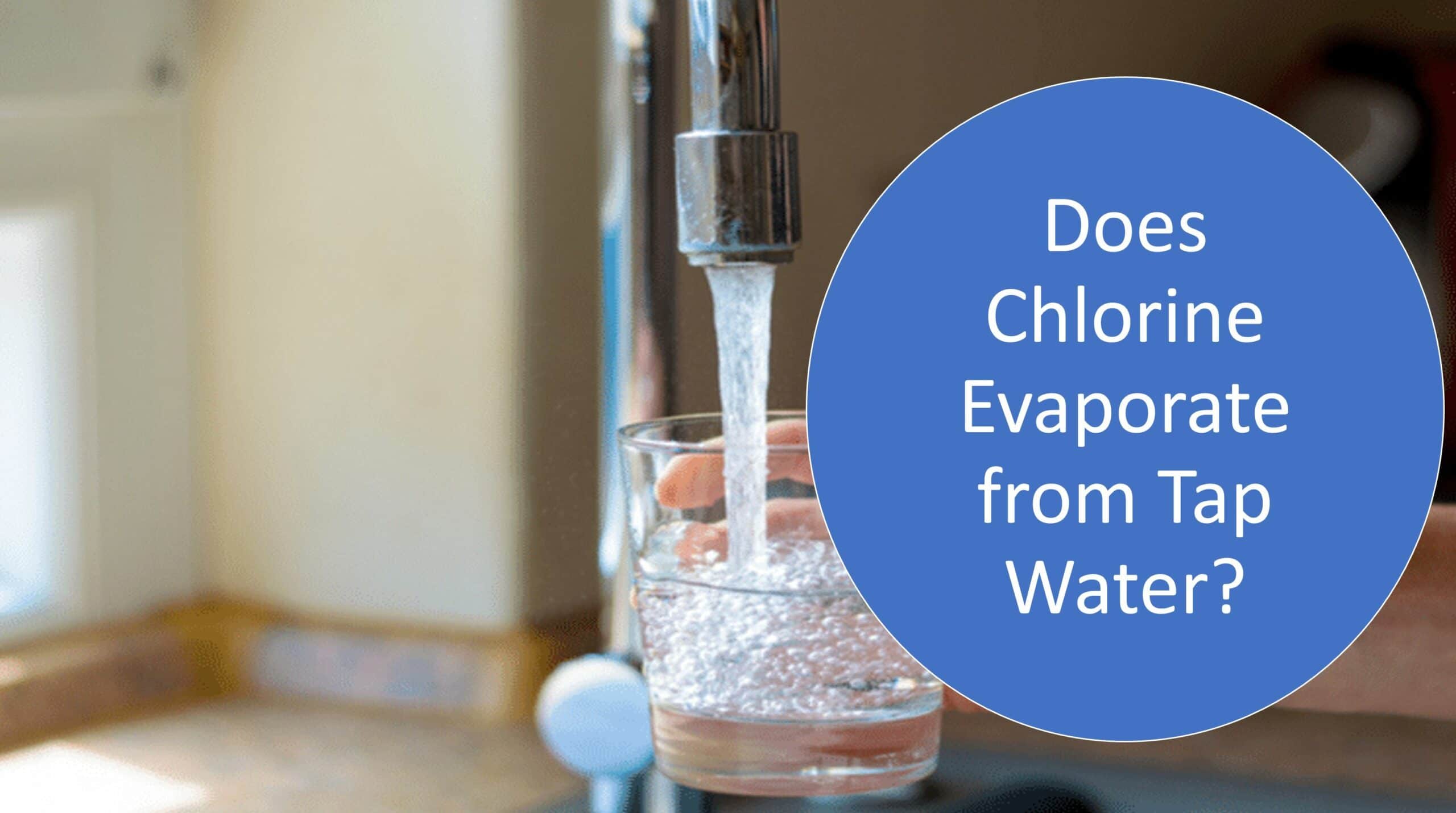 How Long Does It Take Chlorine To Evaporate From Water | Detroit Chinatown
For drinking water? The amount of chlorine in tap water is safe for humans, but it tastes like a swimming pool. Letting it sit in a pitcher in the fridge for 24 hours removes most of the taste. Just give it a gentle stir every now and then.
Or, you know, buy a filter. But where’s the fun in that?
The Crunchy Numbers (If You’re Into That)
I measured this once, because I’m that person. In a one-gallon jug with the lid off:
• 4 hours: 80% of chlorine evaporated.
• 12 hours: 95% gone.
• 24 hours: barely detectable levels.
But—and this is a big but—these numbers vary wildly with water chemistry. Hard water or high pH? Chlorine sticks around longer.
And chloramine? That stuff is the party guest who refuses to leave. Without aeration or chemicals, you’re looking at 4 to 5 days minimum. I’ve tested it. It’s maddening.
Pro tip: If your water utility uses chloramine, don’t bother with the “leave it out” method for fish. Just buy a dechlorinator. Your fish will thank you with fewer floating tantrums.
Does Sunlight Help?
Yes, hugely. UV light from the sun breaks chlorine down into harmless chloride. In a clear glass container under direct sunlight, chlorine can evaporate in 2 to 3 hours. That’s practically instant compared to plain room temperature.
But here’s the irony: if you leave that water out overnight, you’re wasting free solar dechlorination. The moon doesn’t help. Sorry.
Also, if you live somewhere without sun (hello, Seattle), you’re back to waiting. Or buying a pump. Nature is a fickle friend.
Final Verdict (No Science Degree Required)
For most people: 24 hours in an open container does the job. For impatient people: use heat, aeration, or sunlight. For chloramine folks: just buy the dang conditioner.
My goldfish Bubbles eventually forgave me. He lived to be five, which is ancient for a fish, so I think he appreciated my newfound knowledge. Now I keep a pitcher of dechlorinated water on the counter at all times.
So, how long for chlorine to evaporate? Long enough to make you rethink your life choices. Start your process today, and by tomorrow, you’ll have water that won’t traumatize any aquatic friends. You’re welcome.
