What Kind Of Water Should You Use For Formula

So, you’re standing in the baby aisle, staring at a wall of water bottles, and suddenly you’re asking yourself: What kind of water should I use for formula? It’s a weirdly dee...

So, you’re standing in the baby aisle, staring at a wall of water bottles, and suddenly you’re asking yourself: What kind of water should I use for formula? It’s a weirdly deep question for something so simple, right? Let’s break it down without turning into a chemistry lecture.
Tap Water: The OG Option
First up, tap water. It’s what most of our parents used, and honestly, it’s usually fine for mixing formula. The catch? It depends on where you live and how old your pipes are.
If your tap water comes from a city supply, it’s treated and safe for drinking. But the fluoride content can be a little high for tiny kidneys, so using it exclusively for every bottle might be overkill.
Must Read
Pro tip: Just run your cold tap for a minute before filling the kettle. That clears any stale water sitting in the pipes. It’s like giving your water a little wake-up call.
The Fluoride Factor: Not a Glow Stick
Speaking of fluoride, here’s where it gets interesting. Babies don’t need extra fluoride until their teeth come in, and even then, it’s a dance. Too much can cause dental fluorosis (white spots on teeth), which is harmless but not a great look.
Should you panic? No. Most powdered formulas already contain minimal fluoride. So if you use tap water, you’re just adding a tiny extra bit—like putting a second pinch of salt in soup you didn’t need.
If you’re nervous, you can switch to low-fluoride bottled water. Look for labels that say “purified,” “distilled,” or “deionized.” Just avoid “spring water” unless you’re sure about its mineral content.
Bottled Water: The Fancy Friend
Bottled water feels like a safe bet, but not all bottles are created equal. Purified water is great—it’s been stripped of minerals and chemicals. Distilled water is basically water’s ghost, with nothing left but H2O.
Here’s the kicker: You still need to boil it if you’re using a newborn (under three months) or a premature baby. The bottle itself isn’t sterile, and the water might have bacteria from storage.
Think of it like this: You wouldn’t serve a guest tap water from a dusty glass. Boiling is your dishwasher for the water. It’s a quick, cheap safety net.
Well Water: The Wild Card
If you’re on well water, you’re living the country life—nice! But well water is a mystery box. It can contain nitrates, bacteria, or heavy metals that are harmless to adults but harsh for tiny bellies.
The rule? Test your well water annually, and if you can, use distilled or low-fluoride bottled water for formula. It’s like ordering a known flavor instead of a surprise cocktail.
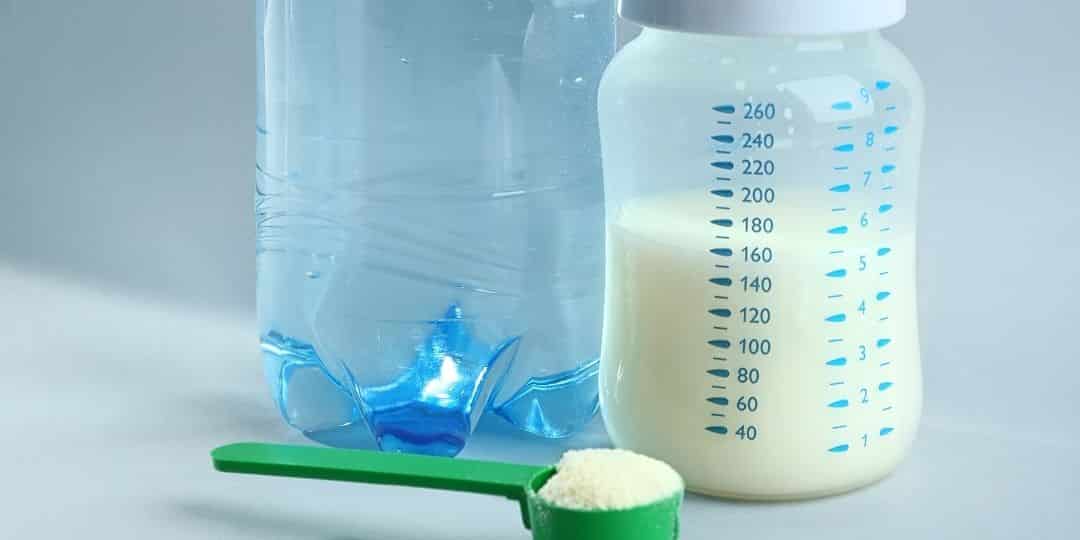 Water Formula
One more thing: Never use softened water. Salt-based softeners swap calcium for sodium, and babies don’t need a salty soup. Stick to untreated well water or bottled alternatives.
The Boiling Ritual: Cool or Annoying?
Okay, so the official advice from the CDC and WHO: Boil tap water (even bottled) until your baby is at least three months old. Or if they’re premature, immune-compromised, or you’re camping near a questionable stream.
Does that mean you must boil forever? Not exactly. It’s like washing an apple—you do it to be safe, but most apples are fine. Once your baby is older and their immune system is tougher, you can relax.
Boiling is actually kind of cool when you think about it: it’s a 200-year-old hack that kills 99.9% of germs. You’re basically using your grandma’s trick with a modern twist.
And What About… Room Temperature?
You might have heard you should use warm water to mix formula. That’s because powder dissolves better in warm water, and warm bottles are cozier for babies. But never use boiling water to mix—it can destroy nutrients.
Instead, boil the water first, let it cool to about 70°C (158°F), then mix. That’s hot enough to kill germs but not so hot it harms the formula. It’s like Goldilocks, but for science.
If you’re using ready-to-feed liquid formula, you don’t need to touch the water at all. Just open, pour, and serve. That’s the lazy parent’s dream—and totally fine in moderation.
Bottom Line: You Got This
So what water should you use? Tap water that’s been boiled and cooled is the budget-friendly hero. Bottled purified water is the backup dancer. Well water is the mystery guest—test it before inviting it to the party.
The important thing is to wash your hands, clean bottles, and measure powder correctly. The water type matters, but it’s just one ingredient in the recipe of baby happiness.
And hey, if you’re ever in doubt, ask your pediatrician. They’ve heard every water drama under the sun—from “can I use Fiji water?” to “my mother-in-law says rainwater is better.” You’re not weird for wondering. You’re just a parent who loves their tiny human. And that’s the most important ingredient of all.
