Cost Of Whole House Water Purification System

So, you’re thinking about a whole house water purification system. Maybe your tap water tastes like a swimming pool, or your shower leaves you feeling like a dried-out lizard....

So, you’re thinking about a whole house water purification system. Maybe your tap water tastes like a swimming pool, or your shower leaves you feeling like a dried-out lizard. I get it. That stuff is expensive, and the pricing is a bit of a rollercoaster.
Let’s cut straight to the chase: the cost can range from $1,000 to a jaw-dropping $15,000. Yes, you read that right. It depends on how fancy you want to get.
The Big Factors That Shake Your Wallet
First up is the system type. Are we talking a basic sediment filter? Or a reverse osmosis beast that basically makes your water rain from heaven? The more stages of filtration, the more your bank account weeps.
Must Read
Then there’s installation. DIY? Good luck with that unless you’re a plumbing wizard. Pros charge anywhere from $200 to $1,500, depending on how much they have to re-pipe your house. Ever seen a plumber’s hourly rate? It’s like they’re surgeons, but for pipes.
Water quality matters, too. If your well water has more iron than a blacksmith’s workshop, you’ll need special resin tanks. That’s extra. Big surprise, right?
The "Cheap" Option: Under $1,000
You can snag a point-of-entry (POE) system for around $500 to $1,000. Think of it as the "basement special." It filters sediment and maybe some chlorine. Your water will be better, but don't expect a spa experience.
Little side note: these often use cheap cartridges. You’ll be swapping them every few months. It adds up, like forgetting to cancel a streaming subscription. Annoying, right?
The "Goldilocks" Zone: $1,500 to $4,000
This is where most people land. You get a carbon filter plus a water softener. It tackles hard water, bad tastes, and that weird smell. Your skin will thank you. Your coffee maker will throw a party.
Installation here usually runs $500 to $1,000. Total package? Maybe $3,500. That’s a new couch, or like, a very nice used car. Except it’s for your pipes. Priorities, folks!
The "Baller" Setup: $5,000 to $15,000
This is the reverse osmosis system for the entire house, plus UV sterilization. We’re talking water so pure it makes bottled water look like swamp juice. It removes everything: lead, arsenic, microplastics—your hair will probably start shining like a superhero’s.
Is it overkill? Maybe. But if you live in an area with agricultural runoff, it’s a no-brainer. Just be ready for the sticker shock. And a separate storage tank that’s bigger than your water heater. Plot twist: your basement just got a new roommate.
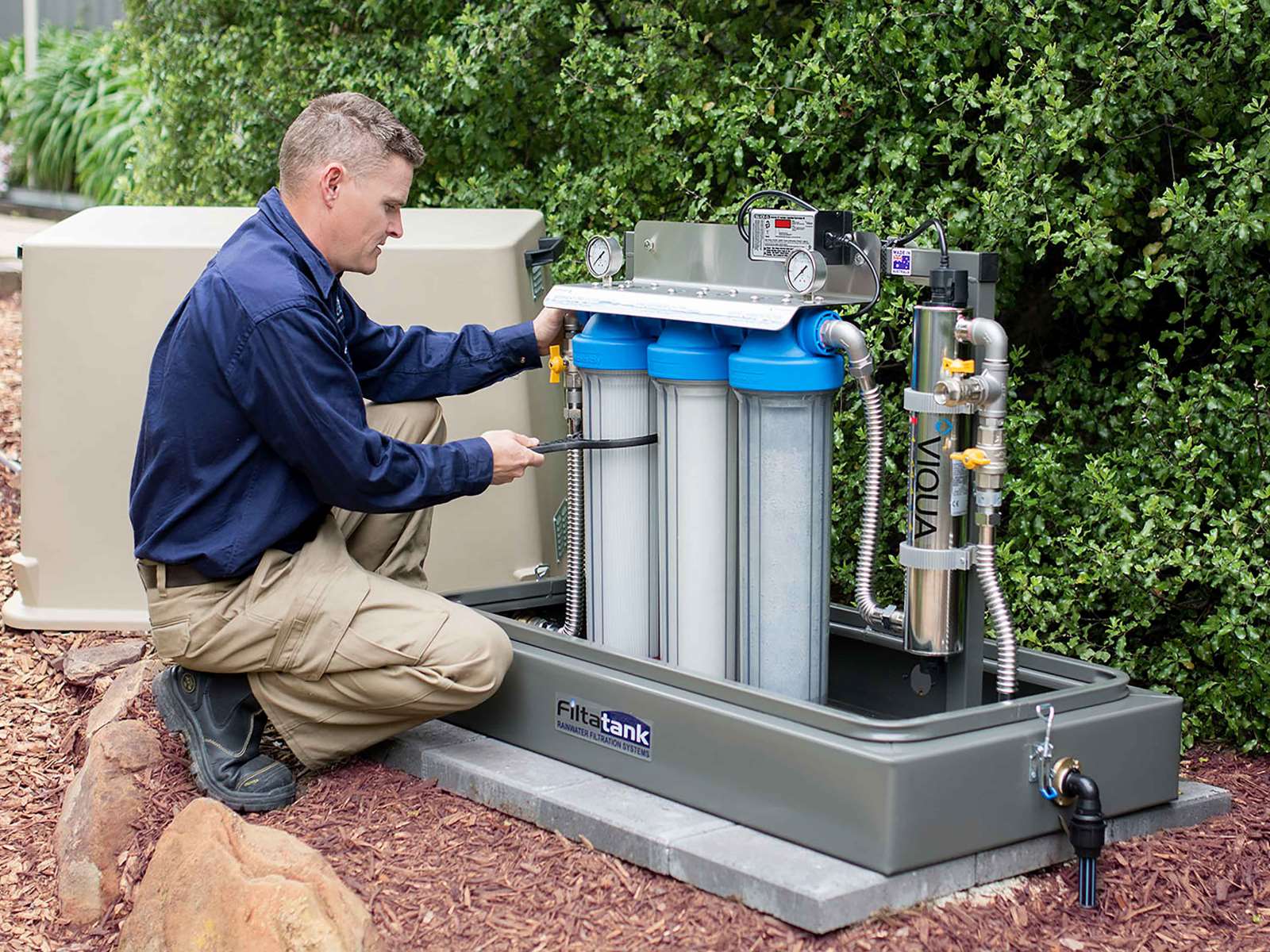 What Is A Whole House Water Filtration System | Storables
Recurring Costs: The Sneaky Sinkhole
Here’s the part nobody likes. Maintenance fees. Filters need changing every 6 to 12 months. That’s another $200 to $600 per year. Salt for the softener? Add $100 to $300.
And if you get a UV lamp? The bulb burns out every 12 months. Replacement lamps cost $100 each. It’s like having a vampire that demands a fresh bulb to keep the water bacteria-free. Dramatic? A little. True? Absolutely.
Is It Worth It? (Spoiler: Usually Yes)
Look, I’m not here to sell you a dream. But think about this: bottled water costs $1.50 a gallon. A family of four might spend $60 a month on plastic bottles. That’s almost $800 a year.
A whole house system, even a pricey one, pays for itself in a few years. Plus, you save your appliances from scale buildup. Your dishwasher will survive longer. Your water heater won’t die of limescale. It’s economics, but with fewer spreadsheets.
My Hon-to-Goodness Advice
Don’t just Google "best whole house water filter." Run a water test first. Seriously. It costs $50 to $200. You’ll find out if you need a softener, a carbon filter, or both. Buying a system without testing is like buying shoes without knowing your size. You’ll just look silly and waste cash.
Then, get three quotes from local installers. Ask them about maintenance contracts. Some companies offer free filter changes for a monthly fee. It feels lazy, but it’s one less chore to remember.
Finally, remember the warranty. A good system should last 10–15 years. If the tank cracks in year two, you want coverage. Look for a lifetime warranty on the tank and a 5-year warranty on the valve. That’s your safety net.
So, what’s the final verdict? A whole house system is a big investment, but it’s also a relief. No more lugging cases of water from the store. No more shower filters that look like alien sludge after a month. Your future self—with soft, shiny hair—will thank you. And your wallet? It’ll stop crying around the two-year mark. Promise.
Now go drink some good water. You’ve earned it. Or at least, your plumbing has.
