Reverse Osmosis Water Filter Replacement Cost

So, you finally bought that fancy reverse osmosis system. Congratulations! You’re now drinking water so pure it’s practically judging the tap water. But then the dreaded messa...
So, you finally bought that fancy reverse osmosis system. Congratulations! You’re now drinking water so pure it’s practically judging the tap water. But then the dreaded message pops up: “Replace Filter.” Suddenly, your wallet feels a little lighter, right?
Let’s be real. Nobody talks about the ongoing cost of this magical water-making machine. We just focus on the amazing, crisp taste and how smug we feel with our glass of “better than bottled” H2O. Then, bam, reality hits with those filter replacements.
The Big Money Question: How Much?
Here’s the short answer: you’re looking at anywhere from $50 to $200 a year. That sounds like a lot, but trust me, it’s cheaper than a daily Starbucks habit. And your kidneys will thank you.
Must Read
But wait—that’s just a ballpark. The actual cost depends on the brand of your system. Are you rocking a cheap Amazon special or a premium under-sink model? Your wallet will feel the difference, for sure.
Entry-level systems (the $150 ones) usually cost around $50 to $80 per year for filters. Fancy systems, like those from Aquasana or Waterdrop, might hit $120 to $200 annually. Fancy doesn’t come cheap, but your water tastes like a mountain spring.
The Filter Breakdown: What Are You Paying For?
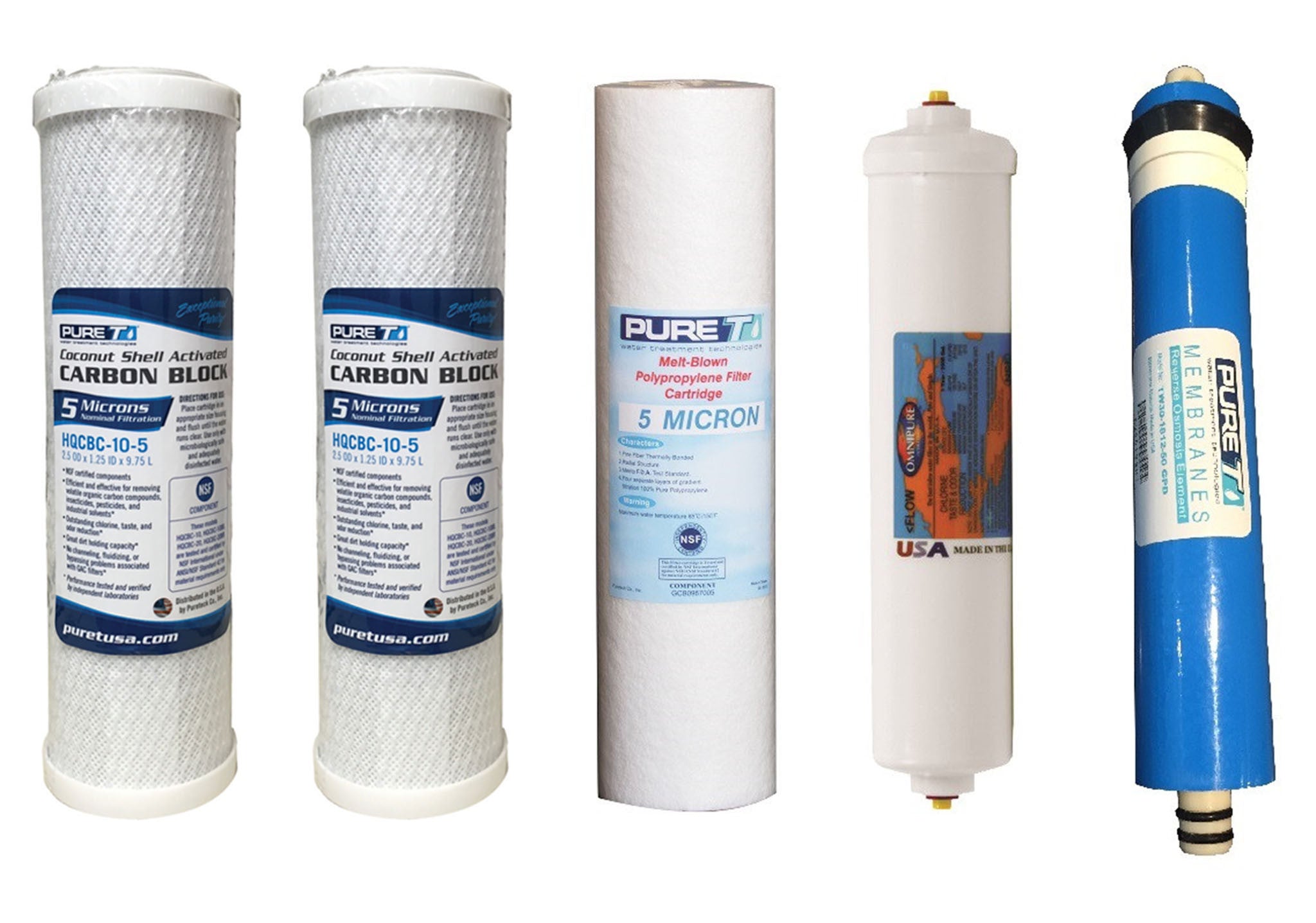
You’ve got your typical sediment filter. It’s the bouncer that stops dirt and rust from getting into the party. That one costs about $5 to $15. Replacing it every 6 months keeps the party clean.
Next up is the carbon block filter. This is the flavor-saver. It removes chlorine and weird tastes so your water doesn’t taste like a swimming pool. Budget around $15 to $30 for this guy.
Then, the star of the show: the reverse osmosis membrane. This is the expensive bit. It’s the filter that actually squeezes out dissolved solids and heavy metals. Expect to pay $30 to $100 for this one, and it lasts 2 to 5 years.
Finally, there’s the post-filter. It’s like a final little polish before the water hits your glass. That’s usually $10 to $25. Small price for a perfect finish, don’t you think?
The Sneaky Hidden Costs (Don’t Ignore These!)
Here’s the part your neighbor didn’t tell you: shipping costs. Please don’t just buy the cheapest set of filters online. You might end up with a generic knockoff that leaks or makes your water taste weird.
Stick with OEM filters (Original Equipment Manufacturer). That’s fancy talk for filters made by your system’s brand. They usually cost 10-20% more, but they fit perfectly. Nobody wants a water leak at 2 AM.
Also, consider annual filter kits. Many companies sell a “yearly pack” with all four filters bundled together. This often saves you $15 to $30 compared to buying separately. Yes, please!
 Reverse Osmosis Filter Replacement, Membrane Solutions 75 GPD Complete
Pro Tips to Keep Costs Down (Without Sacrificing Purity)
First, set a reminder on your phone. You don’t want to forget, wake up one morning, and realize your filters have been expired since last Thanksgiving. Gross.
Second, buy in bulk. Most manufacturers offer a discount if you buy 6 months or a year’s worth at once. I know, it feels like a big upfront cost, but Future You will be so happy.
Third, consider a DIY replacement. Seriously, it’s like changing a lightbulb—just with more water. You can save $50 to $100 per year by skipping the plumber. If I can do it without flooding my kitchen, you can too.
Is It Worth It? (Spoiler: Yes, But…)
Let’s do the math. You’re spending $100 a year on pure, delicious, clean water. That’s less than the cost of a nice dinner for two. And you’re not running to the store for bottled water.
Compare that to buying plastic bottles. A case of 24 bottles costs about $5 to $7. If you drink a liter a day, that’s over $250 a year on single-use plastic. Your reverse osmosis system pays for itself in about a year.
Plus, you’re saving the planet from all that plastic. You can feel like a superhero while sipping your crisp, filtered water. Not a bad trade-off.
The Final Gulp
Look, filter replacement costs aren’t sexy. They’re like changing your car’s oil—boring but critical. If you skip it, your water quality tanks and you might as well drink from the garden hose.
My advice? Budget $10 to $15 per month for filters. That’s one fancy coffee. Your taste buds, your organs, and your wallet will all be grateful. Just don’t think about the cost when you’re sipping—think about the luxury.
So, go ahead, grab that filter pack. Your water is waiting. And please, for the love of all that is hydrating, don’t forget the sediment filter. I learned that one the hard way.
