Replacement Faucet For Reverse Osmosis System

There comes a moment in every modern kitchen’s life when the sleek, dedicated faucet on your reverse osmosis system starts looking a little… tired. Perhaps the handle feels li...
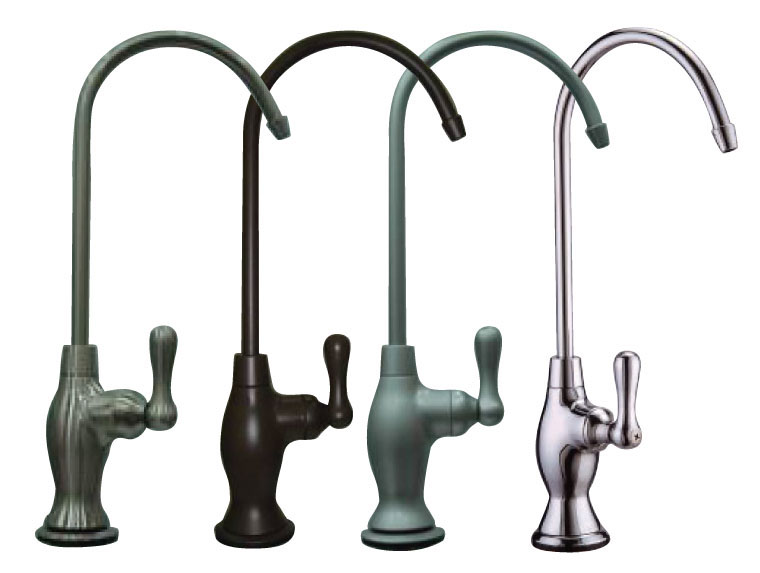
There comes a moment in every modern kitchen’s life when the sleek, dedicated faucet on your reverse osmosis system starts looking a little… tired. Perhaps the handle feels like you’re coaxing an old garden hose out of retirement, or the once-bright chrome now sports a constellation of water spots and mystery stains. You might not realize it, but upgrading that humble spigot is one of the easiest ways to inject fresh, quiet luxury into your daily water ritual. Think of it as a tiny kitchen renovation that costs less than a weekly grocery run.
Why Your RO Faucet Deserves a Second Look
Most standard RO faucets were designed in an era of beige appliances and functional minimalism. They work, sure, but they rarely sing. A replacement faucet can dramatically change your interaction with every glass of water, from a clunky squeeze to a smooth, waterfall-style pour. It’s the difference between stepping into a vintage elevator and gliding up in a modern express lift.
Plus, there’s a hidden benefit: newer models often improve water flow and reduce dripping. A worn-out unit can harbor bacteria in the nooks and crannies of its lever mechanism, especially if you’ve been fighting with a stubborn handle for years. Swapping it out is like giving your water filtration system a fresh lease on life.
Must Read
The Style Spectrum: From Industrial Chic to Smooth Operator
Gone are the days of one-size-fits-all brushed nickel. You can now find RO faucets that look like something out of a Scandinavian design catalog—sleek, geometric, and made with matte black or champagne bronze finishes. For the apartment-dweller, there are even compact, pivoting faucets that fold away when not in use, saving precious counter space for your espresso machine.
If you want to channel a bit of mid-century modern flair, look for a single-lever design with a soft, waterfall spout. Or, if you’re feeling extra efficient, some replacements even include a built-in brushed stainless steel filter indicator to tell you when to change the cartridge. It’s like having a tiny, helpful friend living at your sink.
Practical Tips Before You Twist That Nut
Before you dive into the hardware aisle, remember this golden rule: air gap vs. non-air gap. An air gap faucet has a small secondary tube that prevents backflow into your RO system—it’s the law in many municipalities. A non-air gap faucet is simpler, sleeker, and easier to install but might not meet code in your area. Check your local plumbing regulations; it’s the boring but brilliant step that saves you from a weekend disaster.
Another pro tip: measure your existing hole in the countertop. Most RO faucets require a standard ½-inch (1.3 cm) or 7/8-inch (2.2 cm) diameter hole, but some European models are slightly wider. Use a tape measure—not your eyeballs—or you’ll end up with a metallic gap that looks like a missing tooth.
And a fun little fact: the average person spends about 10 minutes a day at the kitchen sink. Over a year, that’s over 60 hours of staring at or touching your faucet. Choosing one that feels good in the hand—with a smooth, weighted lever—can subtly improve your entire relationship with hydration.
 SpiroPure Air Gap RO Faucet, Polished Chrome, Reverse Osmosis
Installation: Easier Than Assembling IKEA Furniture
I promise you: it’s usually a 15-minute job, even if you’re not handy. You’ll need an adjustable wrench, a bit of plumber’s tape, and maybe a towel to catch a few drops of surprise water. Most modern replacement faucets come with push-fit connectors that click into place like a high-tech Lego brick. Remove the old faucet, slide the new one through the hole, tighten the mounting nut from below, and connect the feed line.
One cultural reference to keep you company: this feels a bit like the moment in Ferris Bueller’s Day Off when they manually roll back the odometer—it’s a satisfying, low-stakes victory. You’re not saving the world, but you are making your kitchen feel like a better version of itself. Pro tip: take a photo of the old plumbing setup before you disconnect anything, just in case your memory gets foggy.
Little Luxuries and Tiny Joys
Consider this: the water from your RO system is already purer than most bottled spring waters. Why serve it from a faucet that looks like it belongs in a janitor’s closet? A beautiful, modern faucet transforms a utilitarian tool into a daily ritual. It’s the difference between drinking from a plastic cup and sipping from a crystal glass—the water tastes the same, but the experience is worlds apart.
Fun fact: the first patent for a mixing faucet was filed in 1880, but dedicated RO faucets only became popular in the 1970s. Today’s versions often feature ceramic disc valves that last for decades and never drip. And if you’re feeling fancy, some new models even include a small LED light in the spout that changes color based on water temperature—blue for cold, red for hot. It’s like having a mood ring for your sink.
Final Reflection: The Silent Upgrade
We spend so much energy on big renovations—new countertops, backsplashes, appliances—but the quiet, daily interactions are what shape our environment. Changing your RO faucet isn’t going to win you a design award, but it will change the sound of the water hitting your glass. It will make the first sip of cold, filtered water on a Tuesday morning feel just a bit more intentional.
And in a world that moves fast and noisy, a small, smooth handle that glides under your thumb is a tiny, daily victory. It’s proof that you pay attention to the details. So grab a wrench, pick a finish that makes you smile, and let your RO system finally shine—one perfect, crisp glass at a time.
