Water Softener And Filtration System For Home

So, you’ve moved into a new home, or maybe you’ve just filled your electric kettle for the tenth time this week and discovered a mysterious white crust that looks like a faile...
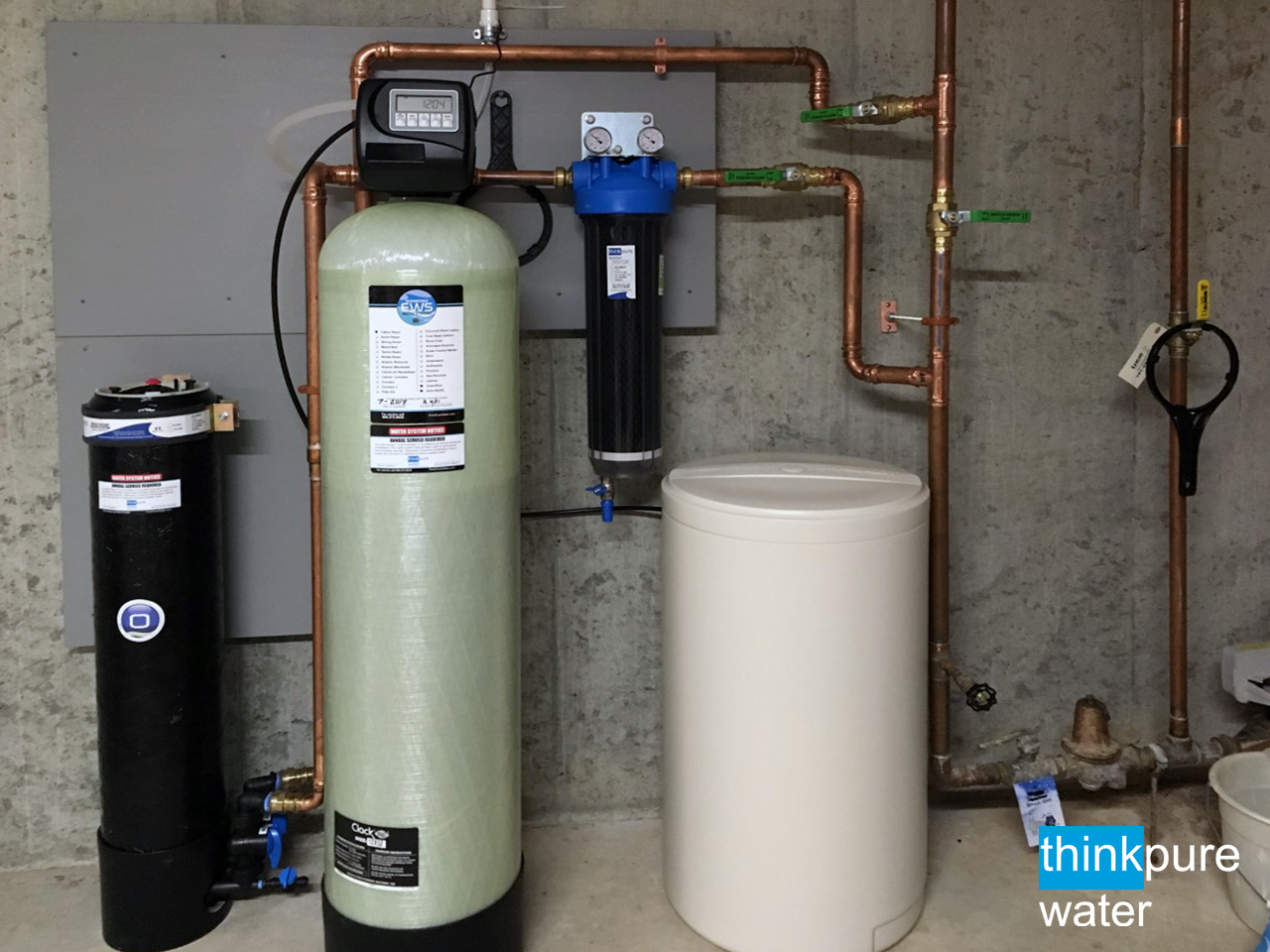
So, you’ve moved into a new home, or maybe you’ve just filled your electric kettle for the tenth time this week and discovered a mysterious white crust that looks like a failed science experiment. Welcome to the world of hard water. It’s not a medieval torture device, though your hair might beg to differ.
The Scaly Truth About Your Tap Water
Here is the shocking fact: 85% of American homes have hard water. That means your water is basically a mineral smoothie—loaded with calcium and magnesium that it picked up while traveling through limestone and chalk. It’s not dangerous to drink, but it is a menace to your appliances, your skin, and your sanity.
That chalky film on your glasses? That’s limescale, nature’s way of saying, “You need a filter, friend.” It’s the same stuff that builds up in your pipes, slowly turning your water heater into a fossilized rock. Think of it as the plaque on the teeth of your house.
Must Read
Enter the Water Softener: The Heavy Lifter
A water softener is basically a bouncer for your plumbing—it kicks those magnesium and calcium ions to the curb. It works by swapping them out for sodium ions in a process called ion exchange. Yes, it adds a tiny bit of salt to your water, but not enough to make you taste like a pretzel.
Imagine your water is a rowdy party guest. The softener says, “You, calcium, are out. You, sodium, are in.” The result? Softer towels, less soap scum, and a shower that actually makes you feel clean instead of like you’ve been rubbed with sandpaper. Your skin will send you a thank-you note.
One wild fact: using a water softener can save you hundreds of dollars a year on energy bills. How? Because limescale acts like insulation on your water heater, making it work harder. A clean heater runs like a teenager running to a pizza delivery truck—fast and efficient.
But Wait—There’s a Catch
Water softeners are great at removing hardness, but they don’t remove everything. That weird metallic taste from your tap? That’s iron, manganese, or chlorine—things a softener ignores. You wouldn’t wear a raincoat to stop a tsunami, and you shouldn’t use a softener to fix bad taste. That’s where a filtration system comes in, like the backup singer to the softener’s lead vocalist.
The Filtration System: The Food Critic of Water
While the softener handles the minerals, a water filtration system is the picky eater. It uses carbon filters, reverse osmosis, or UV light to remove chlorine, sediment, pesticides, and even some bacteria. It’s like giving your water a spa day and a detox smoothie.
Think about this: the chlorine in tap water is the same stuff they use to clean swimming pools. You wouldn’t drink pool water, so why drink the tap version without a filter? A good system makes your water taste like it came from a mountain spring, not a chemistry lab.
I once drank filtered water from a friend’s house and immediately accused them of serving me bottled water. They laughed and pointed at their under-sink system. I felt betrayed by my own taste buds, but in the best way possible.
 Diy Water Softener Filter - Diy Closet Island
Should You Get a Combo? (Spoiler: Yes)
The real magic happens when you pair them together. Think of a whole-house water softener as a bouncer at the front door, and an under-sink reverse osmosis system as a personal bodyguard for your drinking glass. One protects your pipes; the other protects your palate.
If you only get a softener, your water will feel silky but still taste like the inside of an old garden hose. If you only get a filter, your water will taste great but will continue to wreck your washing machine. Together, they’re like peanut butter and jelly—good alone, but legendary together.
The Surprising Gross Fact
Here’s a bit of horror to sell you on this: studies show that a typical unsoftened home’s showerhead can harbor 10 times more bacteria than a soft water showerhead. Why? Because limescale builds up a cozy little condo for microbes. That “fresh” shower spray might be a bacterial slip-and-slide. Enjoy your shower now?
Installation: It’s Not Rocket Science (But It’s Close)
You can buy a “salt-free” water conditioner if you’re worried about sodium, but it doesn’t actually remove hardness—it just changes the crystal structure so it doesn’t stick. It’s like putting a non-stick coating on your pipes, which is clever but not as powerful as the real deal. For real results, go with salt-based.
Installation usually requires a plumber unless you’re the kind of person who enjoys reading 40-page manuals while lying on a wet floor. I am not that person. I once tried to install a faucet and ended up with a water geyser in my kitchen. Let the pros handle it.
The cost? A good system runs $500 to $2,500, but look at it this way: it’s cheaper than replacing your water heater, your coffee maker, and your soul after scrubbing limescale for three hours. Your future self will high-five your present self.
The Bottom Line (and the Glass of Water)
Hard water is the silent jerk of the household. It attacks your dishes, dries out your skin, and makes your hair look like you’ve been electrocuted. A water softener and filtration system are the only defense. You don’t need to be a chemistry whiz to appreciate the magic.
So go ahead, treat yourself. Your pipes, your skin, and your morning coffee will thank you. And the next time you fill a glass with ice-cold, crystal-clear water, you can smile, knowing the minerals have been shown the door. Cheers to not drinking science experiments.
