What Type Of Water Do You Use In A Humidifier

So, you’ve brought home a humidifier, that little plastic fountain of promises for better skin, fewer nosebleeds, and sleep that doesn’t sound like a bear growling at a cactus...
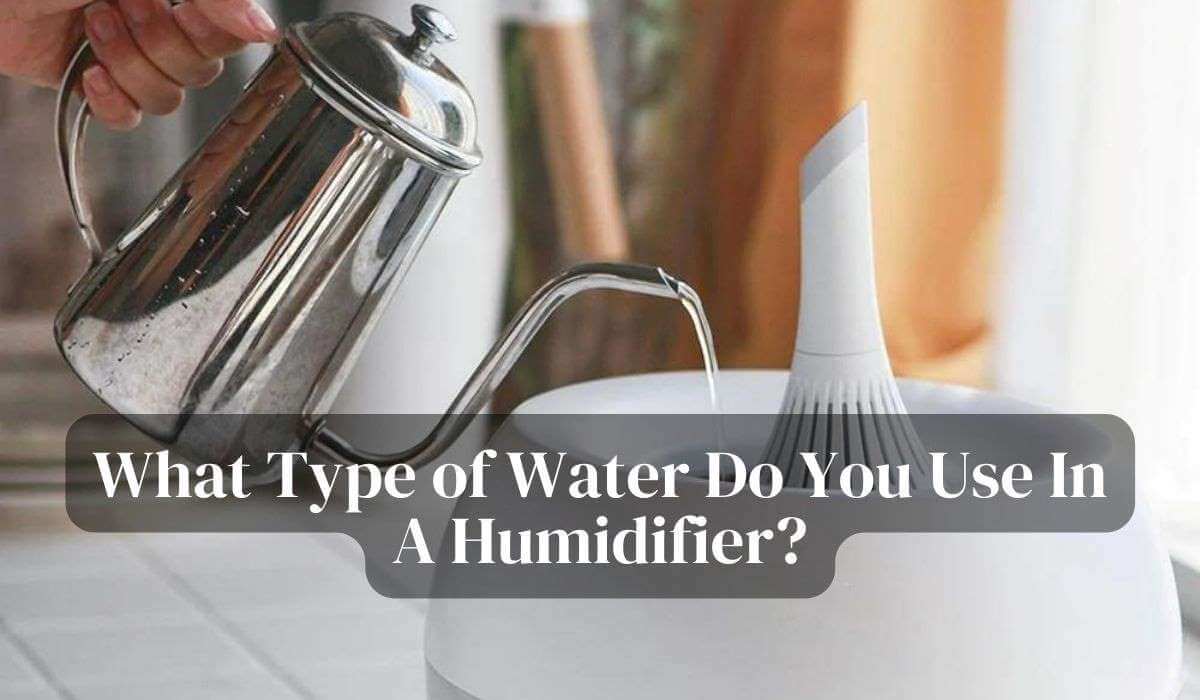
So, you’ve brought home a humidifier, that little plastic fountain of promises for better skin, fewer nosebleeds, and sleep that doesn’t sound like a bear growling at a cactus. Great. But now you’re staring at the manual (or, let’s be honest, frantically Googling at 2 a.m.) with one burning question: What type of water do you use in a humidifier? Spoiler alert: it’s not as simple as “water is water.”
The Tap Water Trap (A Cautionary Tale)
Look, I get it. You have a faucet. You have a jug. Why not just fill ‘er up? Because tap water is the humidifier’s mortal enemy, that’s why. Unless you live in a magical land where your pipes dispense distilled unicorn tears, your tap water is full of minerals—calcium, magnesium, and other tiny rock soldiers.
When you run tap water through a humidifier, those minerals don’t just vanish. They get pulverized into white dust that coats your furniture like a sad, chalky snowstorm. That “dust” is actually calcium particles that you then breathe in. Congratulations, you’ve created an indoor dust bowl that would make a 1930s farmer weep.
Must Read
If you use a warm-mist humidifier, those minerals can scald into a crusty scale that clogs the machine faster than a clogged artery after a cheese fry binge. Pro tip: unless your humidifier manual specifically says “tap is fine,” assume it’s lying to you.
Distilled Water: The Fancy Stuff (And the Right Stuff)
Enter distilled water, the champagne of humidifier hydration. You know those big plastic jugs at the grocery store that cost about the same as a fancy latte? That’s your ticket. Distilled water has been boiled into steam and re-condensed, which kicks out basically all the minerals, bacteria, and weird-tasting stuff.
Using distilled water means zero white dust, zero scaling, and a humidifier that lives to a ripe old age instead of dying of mineral-induced heart failure. It’s also the safest option for your lungs, because you’re not vaporizing anything more sinister than H₂O. Your air will smell like nothing, which is the best smell.
The downside? It’s a little pricey and requires you to wrestle those giant jugs home. But so does therapy, and this is cheaper. Plus, you can feel vaguely aristocratic when you say, “Perrier? No, darling—I only use distilled in my humidor.”
Filtered Water: The Middle Child Option
Maybe you have a Brita or a fridge filter. Cool. That filtered water is better than tap, but it’s not perfect. Most filters (the kind you drink from) remove chlorine, taste, and some sediment, but they struggle to catch the microscopic minerals that cause white dust. You’ll get less dust than tap, but not zero.
It’s a little like using a colander to strain soup when you need a fine mesh sieve. You’ll miss bits. If you’re lazy or low on cash, filtered water is a decent compromise—just be prepared to clean your humidifier weekly or your machine will develop a crust that archaeologists will study in 1,000 years.
 The ideal type of water for your dehumidifier
Don’t Even Think About…
Let’s clear the air: never use spring water, mineral water, or fancy “alkaline” water. Those are packed with minerals designed to taste good and be healthy for your body—but for a humidifier, they’re like gasoline on a campfire. You’ll get massive white dust clouds and your machine will sound like a sick asthmatic robot.
Also, don’t use boiled tap water. Boiling kills germs but it concentrates minerals, making the scaling problem worse. It’s like you boiled away the water but left the mineral sludge behind. Your humidifier will look like a stalactite cave after a week.
Surprising Fact: You Might Be Growing a Fungus Farm
Here’s the kicker: using tap water isn’t just about dust. Tap water contains microbes and bacteria that can thrive in a warm, dark humidifier tank. Distilled water? Sterile. It’s like the difference between a clean hotel pool and a swamp in Louisiana. I’m not saying the swamp is always dangerous—but have you seen the movie Swamp Thing?
A study from the University of Colorado actually found that tap-water humidifiers can spew bacteria into the air at levels comparable to a public restroom. That’s not the “fresh mist” you were promised. Distilled water keeps your air as clean as a monk’s thoughts (which is very clean).
The Verdict (and a Lazy Hack)
Use distilled water. Period. Your humidifier will last longer, your lungs will thank you, and your furniture won’t look like a crime scene of white powder. If you’re cheap, buy a countertop water distiller (about $100) and make your own distilled water forever. It pays for itself in six months, and you’ll feel like a mad scientist.
Or, if you’re feeling really lazy, just buy the jugs. It’s $1.50 per week. That’s less than your avocado habit. Your humidifier is basically a diva—so give it the acqua di Cristallo it deserves. Your nose will kiss you. Trust me.
