Whole House Reverse Osmosis Filtration System

You’ve probably heard the phrase “water, water everywhere, but not a drop to drink.” It’s from Coleridge’s Rime of the Ancient Mariner, and while he was talking about salty se...
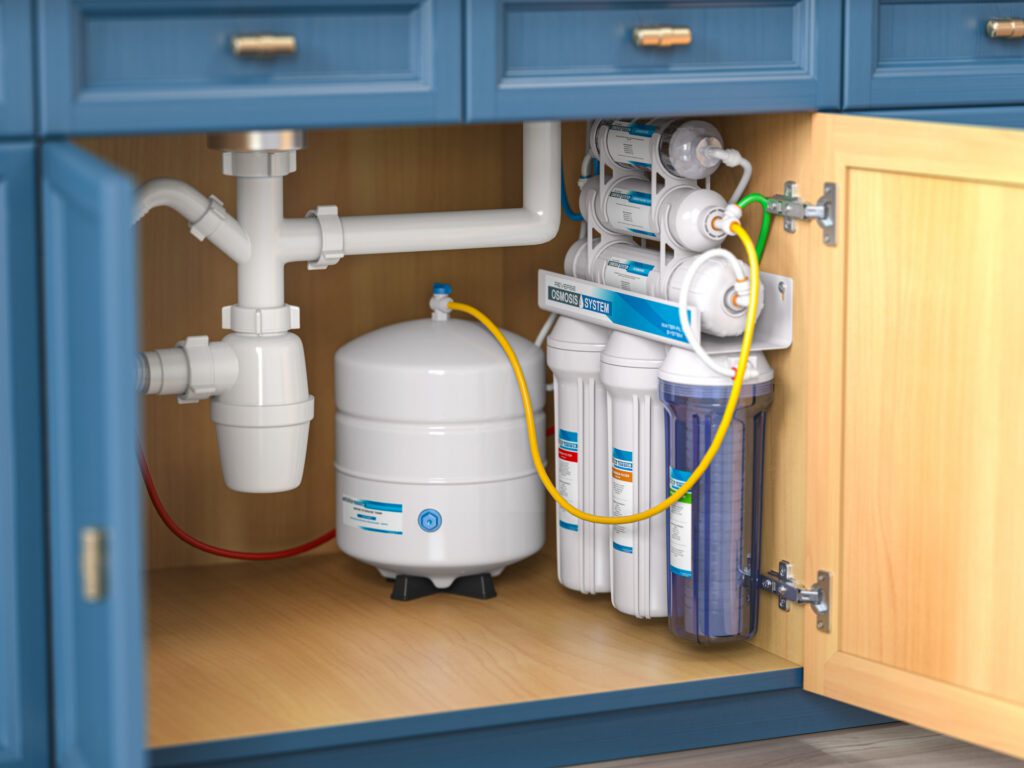
You’ve probably heard the phrase “water, water everywhere, but not a drop to drink.” It’s from Coleridge’s Rime of the Ancient Mariner, and while he was talking about salty seas, he might as well have been describing your tap water. Let’s be honest: that metallic aftertaste, the cloudy glass, and the vague guilt about plastic bottles are all signs it’s time for an upgrade. Enter the whole house reverse osmosis filtration system—the unsung hero of modern hydration.
The Big Picture: What Are We Even Filtering?
Think of your home’s water supply as a chaotic smoothie. It’s a blend of chlorine, sediment, calcium, lead, and sometimes even trace pharmaceuticals—all perfectly legal and safe, but not exactly nourishing. A whole house reverse osmosis (RO) system is like a bouncer at the club, but for your pipes. It uses a semi-permeable membrane to reject up to 99% of contaminants, from heavy metals to microplastics.
This isn’t the same as that little pitcher in your fridge. Whole house means every tap—your kitchen, shower, and garden hose—gets the VIP treatment. Imagine showering without that chlorine smell drying your skin, or brushing your teeth without wondering if you’re ingesting something sketchy. It’s not just water; it’s a lifestyle blanket.
Must Read
How It Actually Works (Without the Science Headache)
Reverse osmosis isn’t magic, though it sounds like it. Water is pushed through a membrane with pores so tiny—0.0001 microns—that only water molecules fit through. For context, a human hair is 75 microns wide. Yes, it’s that strict. Before that, a carbon filter and sediment pre-filter grab the big stuff: rust, dirt, and that funky taste.
Here’s the kicker: unlike a Brita, RO systems produce instant, clean water on demand. No waiting, no refilling, no guilt-trip about plastic waste. The only trade-off? You’ll waste about four gallons of water for every one gallon purified. It sounds bad, but modern systems recycle that waste for garden irrigation. Call it eco-savvy karma.
Why Your Skin and Coffee Will Thank You
Hard water is the silent enemy of glowing skin and shiny hair. Those mineral deposits (calcium and magnesium) clog your pores and leave a filmy residue on your scalp. Switch to whole house RO, and you’ll notice your shampoo lathering like a dream. Dermatologists call it “soft water,” but I call it the secret to low-maintenance beauty.
And your morning coffee? It’s a scientific fact that water composition affects extraction. Tap water with chlorine or dissolved solids makes your expensive beans taste bitter or flat. RO water neutrally smooths out the flavor, turning your pour-over into a cup worthy of a Portland hipster café. You’ll become that person who judges coffee by its water—and frankly, you should.
Practical Tips for the Curious Convert
Before you click “buy,” know that installation isn’t a DIY Netflix project. Unlike a faucet filter, whole house systems require a plumber and a dedicated space (think basement, garage, or under the sink). The tank can be size of a small suitcase, so measure twice, install once. Budget roughly $1,500 to $4,000 for a quality system, plus annual filter changes costing $150–$300. It’s a splurge, but cheaper than a lifetime of bottled water.
Also: RO water can taste “flat” because it lacks minerals. Don’t panic. Many systems include a remineralizer that adds back a whisper of calcium and magnesium. You get purity without the plastic-bottle vibes. Pair it with a reusable glass bottle—preferably one that looks cool on your desk—and call it a win.
 How Do Water Filters Work? Types & Benefits Explained
Cultural Ripples and Fun Facts
Did you know the first RO system was developed in the 1950s for desalination on submarines? Those sailors needed clean water more than we do, but now the tech is mainstream for homes. In India, RO is nearly standard because of groundwater contamination. In the UAE, RO plants literally turn seawater into life for luxury hotels. You’re joining a global club of people who refuse to drink their own sediment.
Pop culture loves a clean-water flex. Remember the movie The Big Short? It’s about financial collapse, but one character scenes open with him installing a home RO system. It’s a quiet symbol of control in a chaotic world. Plus, it pairs perfectly with a green smoothie aesthetic on Instagram—just sayin’.
The Reality Check: Is It Overkill?
For most urban homes with decent municipal water, a full house RO might be excessive. A simple carbon filter could handle taste and chlorine. But if you have a private well, live in an area with old pipes, or deal with constant scale buildup on your kettle, it’s a game changer. Test your water first—kits cost $20 online. Knowledge is power, and also prevents buyer’s remorse.
One more thing: RO removes fluoride, which is added to tap water for dental health. If you have kids, talk to your dentist. Some people prefer this; others add a fluoride supplement. It’s a personal choice, much like deciding to become a person who sniffs their wine before drinking it. No judgment.
Connecting It to Daily Life
There’s something quietly profound about turning on a tap and knowing the water is intentionally clean. It’s not a miracle cure for life’s chaos, but it’s a small ritual of care. You’ll fill your glass, take a sip, and feel a little more grounded—less like you’re consuming chemistry, more like you’re hydrating your body with purpose.
In a world of filter bubbles and filtered news, it’s nice to have one filter that just works. So go ahead, upgrade your water. Your skin, your coffee, and your inner ancient mariner will thank you. And if anyone asks, just say you’re running a submarine operation in your kitchen. That’s a conversation starter if I’ve ever heard one.
