Reverse Osmosis Water Filter Whole House Cost

So, you’ve finally decided to tackle that weird taste in your tap water. You know, the one that makes your morning coffee taste like it was brewed in a swimming pool? Or maybe...

So, you’ve finally decided to tackle that weird taste in your tap water. You know, the one that makes your morning coffee taste like it was brewed in a swimming pool? Or maybe you’re tired of scrubbing those mineral spots off your shower glass, only to have them reappear like a stubborn, chalky ghost. Welcome to the world of whole house reverse osmosis, where the water is crisp, and your wallet suddenly feels a little lighter.
Let’s be real—when I first heard the phrase “whole house reverse osmosis cost,” I imagined a price tag that required a second mortgage on my cat. But here’s the thing: this isn’t just about buying a fancy filter. It’s about transforming every drop of water in your home into something that tastes like it fell from a mountain spring, not a rusty pipe. Think of it as giving your entire plumbing system a spa day—every single day.
The Price Tag: Not Quite a Rocket Ship, But Close
The cold, hard truth about a whole house reverse osmosis system is that it can set you back anywhere from $2,000 to $5,000, installed. Yes, that’s the price of a used sedan or a really nice vacation to a place where the water is already perfect. But before you faint, remember that this isn’t like buying a water filter pitcher you forget to change for six months.
Must Read
That price includes the main unit, a pre-filter, a storage tank, and often a pump to keep water pressure from dropping to a pathetic trickle. If you’ve ever tried to shower with a friend using a garden hose on low, you know why the pump is non-negotiable. Trust me, you do not want to discover you’ve installed a system that turns your morning shower into a sad, dribbling apology.
Some companies will tempt you with a “basic” system for under a grand, but that’s like buying a kayak with a hole in it—cheap, but ultimately a wet, frustrating mistake. You’re better off saving up for the real deal, which includes a sediment filter and carbon pre-filter to protect the expensive reverse osmosis membrane from dying an early death.
The Hidden Costs (Because Life Loves a Surprise)
Here’s where things get funny, in a “laugh so you don’t cry” kind of way. Installation is not a DIY project unless you have a degree in plumbing and a tolerance for crawling under sinks. Expect to pay a plumber anywhere from $500 to $1,000 to hook everything up, especially if your home’s pipes are older than your favorite jeans.
Then there’s the ongoing maintenance, which is like buying a pet fish—the fish is cheap, but the tank, filters, and special food add up. You’ll need to replace the sediment filter every six months (about $30), the carbon filter yearly (about $80), and the RO membrane itself every two to three years (that’s the big one, around $150). And don’t forget the post-filter that polishes the water before it hits your glass—another $40 a year.
I once met a guy who bought a cheap system and never changed the filters. After a year, his water tasted like a wet sock that had been marinated in regret. Don’t be that guy. Budget for maintenance like you budget for toilet paper—boring, but absolutely necessary.
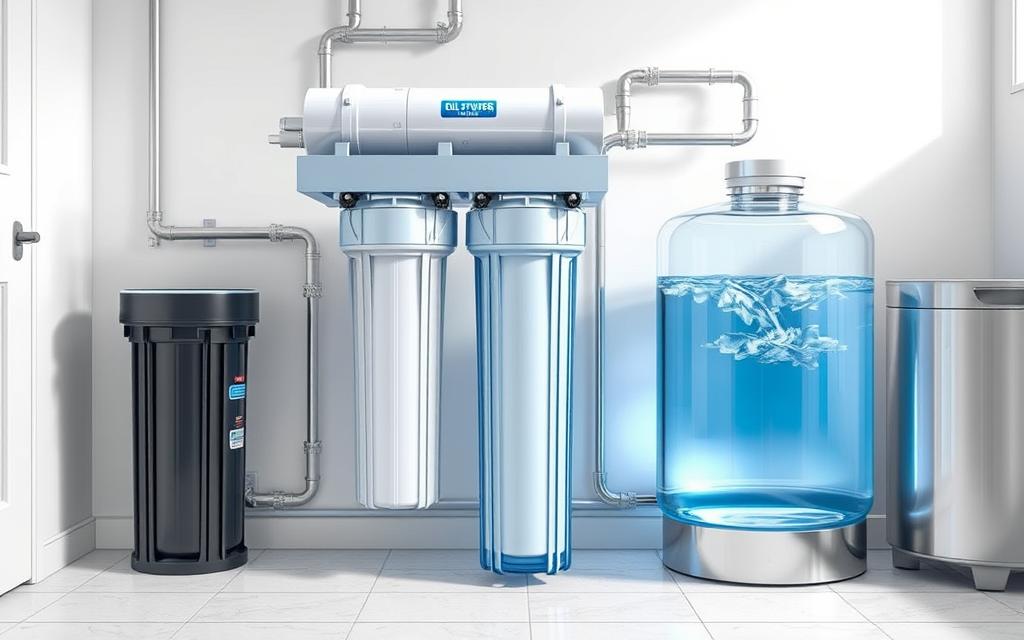 Best Whole House Reverse Osmosis Water Filter Guide
Is It Worth It? (Spoiler: Yes, If You Like Not Scrubbing)
Picture this: No more spots on your dishes, no more scale crusting your shower head like a tiny, mineral-filled stalactite. Your skin feels softer, your hair stops feeling like straw, and your ice cubes are as clear as diamonds—no more cloudy little pebbles of disappointment. That peace of mind comes with a price, but it’s a price paid in convenience and taste.
If you live in an area with truly terrible water—like, you can’t even give it to your dog—this system is a game-changer. But on a funny note: I once asked my neighbor why she installed one, and she said, “Because I got tired of explaining to guests why our water smelled like a biology experiment.” That’s a solid reason.
Compare that cost to buying bottled water for your whole house. A family of four might spend $1,500 a year on bottled water, not including the plastic guilt. A whole house RO system pays for itself in about three years, and then you’re just drinking fancy water for free—well, free after the plumber, the filters, and the pump.
The Bottom Line (Or, How to Sleep at Night)
So, is a whole house reverse osmosis filter worth the cost? If you can afford the upfront pain and you hate the taste of your tap water, absolutely yes. Just don’t go into it thinking it’s a weekend project for $200. It’s more like buying a new fridge—you don’t do it often, but when you do, you notice the difference every single day.
My advice? Get three quotes, ask a lot of questions, and don’t forget to budget for those filter changes. And when that first glass of water comes out clear and crisp, you’ll smile, nod, and think, “Yeah, that was worth every penny.” Then you’ll pour a second glass, admire the lack of speckles, and maybe even toast to your new, not-stinky, not-spotty life. Cheers to that.
