Commercial Water Filtration System Restaurant

So, picture this: I’m at a trendy new ramen place, the kind with Edison bulbs and a chalkboard menu you need a magnifying glass to read. I take a sip of my water, expecting th...
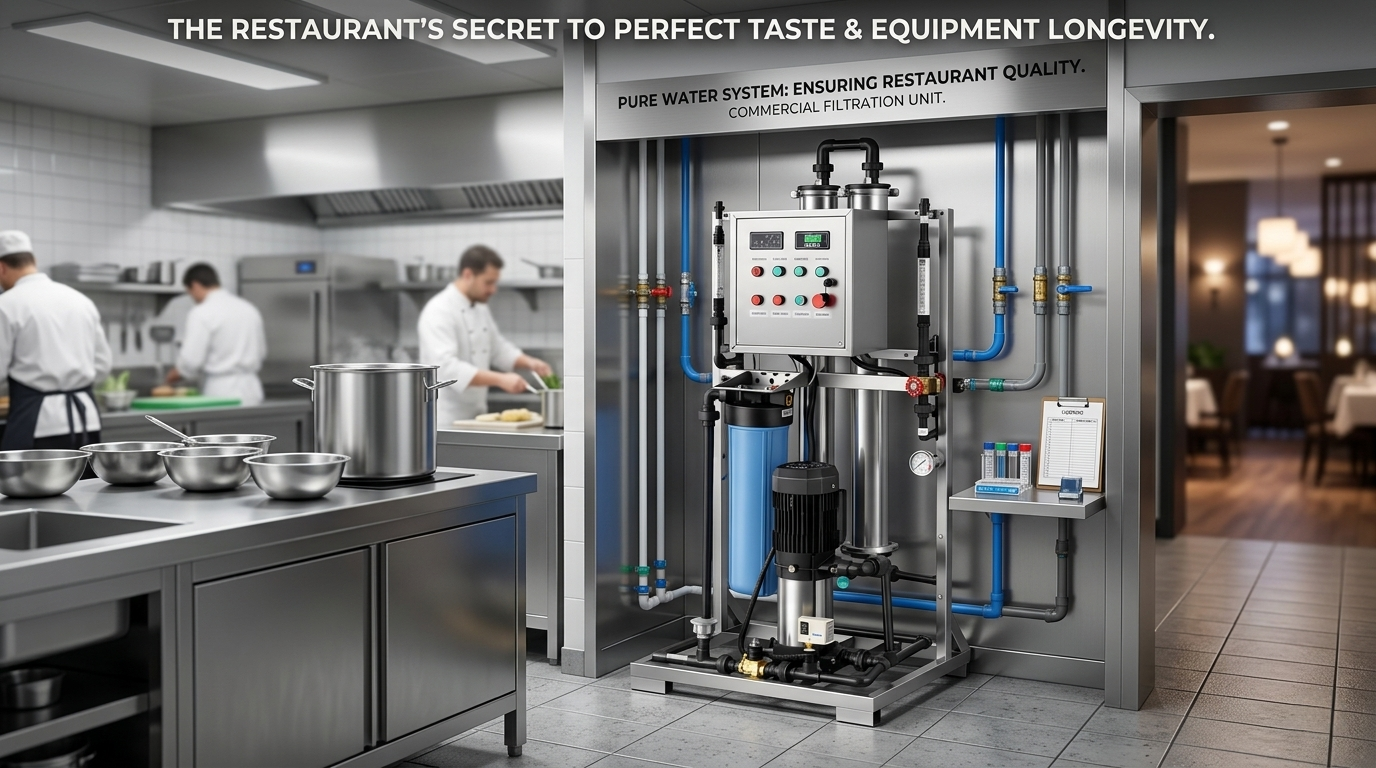
So, picture this: I’m at a trendy new ramen place, the kind with Edison bulbs and a chalkboard menu you need a magnifying glass to read. I take a sip of my water, expecting the usual lifeless tap stuff, and bam—it tastes like a mountain spring that just read a philosophy book. Crisp, clean, and weirdly thoughtful. I actually asked the waiter, “Is this… artisanal water?” He laughed, pointed at a stainless steel tank under the counter, and said, “Nah, that’s just our commercial filtration system. We don’t serve sketchy H2O here.”
That moment—when you realize the water is the real star of the meal—is exactly why smart restaurants invest in a commercial water filtration system. You might think the soup, the steak, or the hand-pulled noodles are what bring people back, but spoiler alert: it’s the water. (And you, sitting there sipping it, are the unwitting taste tester.)
Why your restaurant’s water is secretly ruining your food
Let’s get real for a second. If you’re running a restaurant and you’re still on standard city tap water—without filtration—you’re essentially seasoning every dish with chlorine, sediment, and a pinch of mystery. That “off” flavor in your coffee? That’s not the beans; it’s the water’s chemical kiss goodbye.
Must Read
Commercial filtration strips out the nasties: heavy metals, scale, and that swampy taste that makes iced tea taste like a lawnmower blade. Your chef can taste the difference—trust me, they’ve been whispering about it during prep. (You know that look they give the dishwasher? Yeah, it’s about the water.)
Your ice cubes aren’t innocent either
Think about this: you spend hours perfecting a craft cocktail, and then you plop in a cube of frozen tap water disappointment. Hard water minerals create cloudy ice; filtered ice is crystal clear, melts slower, and doesn’t dilute your booze with flavor ghosts. Your bar manager will either thank you or hug you—probably both.
Even your dishwasher benefits. Scale buildup from hard water wrecks commercial dishwashers faster than a frat party in a glassware shop. A filtration system extends equipment life, saves on repairs, and keeps glasses spot-free. Spot-free glasses mean no one’s wiping lipstick marks off their wine glass—a win for hospitality and sanity.
The cost? Let’s talk numbers without crying
I know, I know—you’re already budgeting for avocado prices going bananas. A decent commercial system runs anywhere from $1,500 to $5,000 installed, with filters costing $200–$500 yearly. Sounds like a chunk? Compare that to the cost of sending back a cloudy iced tea or losing a customer because the water tastes like a swimming pool. One lost table of four spending $80? That’s your filter paid for in a month.
Plus, you can actually market this. Slap a “Filtered Water” sticker on the menu or a chalkboard note: “Our water is cleaner than your ex’s intentions.” Customers love transparency—and they’ll order more drinks because the water doesn’t fight the flavor. (You’re welcome, bar revenue.)
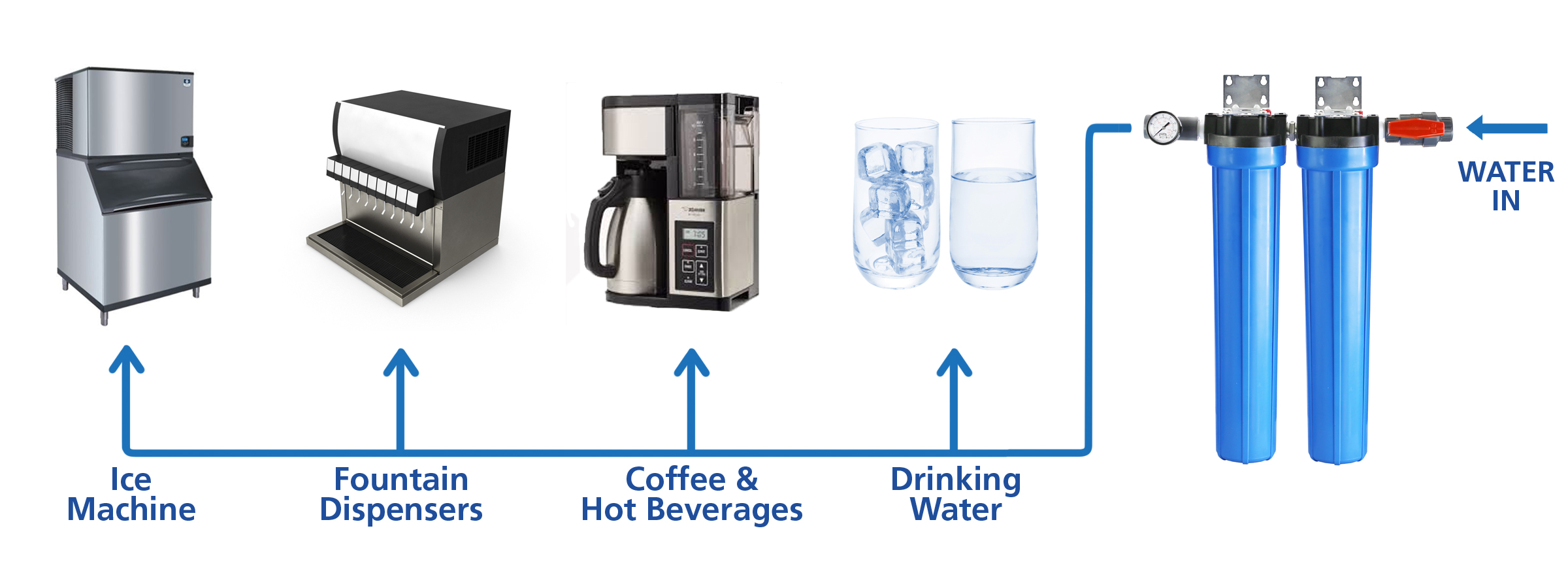 Commercial Kitchen Water Filter. For restaurants, office serveries
What to look for when you’re shopping (no PhD in plumbing required)
First, check your local water report. If you live somewhere with hard water (looking at you, Texas and the Midwest), you need a whole-house carbon filter plus a water softener. If it’s mostly chlorine and sediment, a simple multi-stage carbon filter does the trick.
Second, think volume. A busy diner runs through 100 gallons of water a day; a fine dining spot might use 50. Match the system’s flow rate to your peak demand—otherwise, during the dinner rush, you’ll be serving water that tastes like a pipe apology. (And nobody wants that apology on their palate.)
Lastly, don’t forget reverse osmosis for coffee bars or sushi stations. RO water is so pure it makes espresso taste like it’s been through a spa. But, fair warning: it wastes a bit of water (about 3 gallons wasted per 1 gallon filtered), so consider a system with reclaim technology if your green guilt is strong.
The hidden bonus: your staff will drink more water
Okay, this sounds silly, but have you ever watched cooks on a hot line? They grab sodas and energy drinks because the tap water is gross. When the filtered water tastes amazing, they hydrate better, think faster, and maybe—just maybe—stop yelling at the expo about the pickles. Happy staff equals better service, and that starts with a clean glass of water.
So, that ramen place I mentioned? I went back three times last month—not for the noodles, but because the water is a silent hero. It makes everything else taste like it was meant to. If you’re a restaurant owner, think of a filtration system as the unsung front-of-house employee who never calls in sick, never complains about tips, and makes every sip a little better.
Invest in the water. Your customers—and your dishwasher—will thank you. Now go order one before someone serves you a glass of “municipal nostalgia.” You’re better than that. (And so is your iced tea.)
