Temporary Water Supply Construction Site Cost

So, your neighborhood is about to get a temporary water supply system. Exciting, right? Nothing says “fun” like a giant pipe snaking down your street for a few months. But bef...
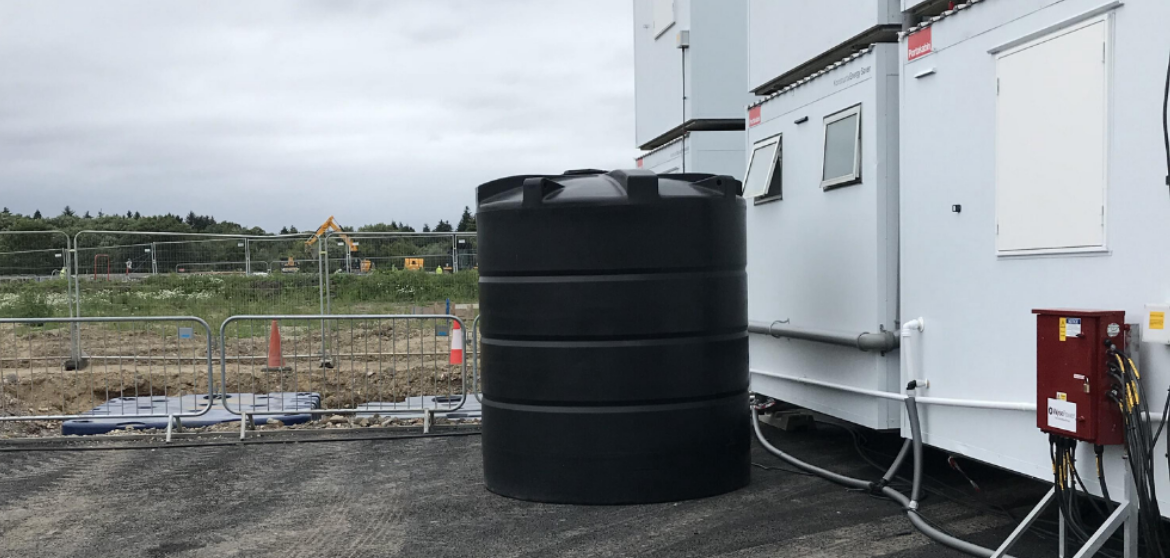
So, your neighborhood is about to get a temporary water supply system. Exciting, right? Nothing says “fun” like a giant pipe snaking down your street for a few months. But before you start planning the block party to celebrate, let’s talk about the elephant in the room—or, more accurately, the cost elephant that’s about to take a bath in your budget.
First off, why is temporary water supply so expensive? It’s not like we’re building a golden fountain. The truth is, you’re paying for speed, flexibility, and a whole lot of hassle. Think of it as the “emergency backup dancer” of the water world—it shows up fast, but it costs a pretty penny for the privilege.
The Big Three: Materials, Labor, and Murphy’s Law
Let’s break it down like a bad dance move. The biggest chunk of your cash goes to materials—pipes, fittings, valves, and pumps. These aren’t your garden-variety garden hoses. We’re talking heavy-duty, food-grade pipes that can handle pressure without bursting into a soggy confetti explosion.
Must Read
Next up is labor, and boy, do these folks earn their lunch money. Pipefitters, welders, and heavy equipment operators don’t work for peanuts—they work for premium peanuts. Plus, they have to work around existing utilities, traffic, and the occasional nosy neighbor who wants to “offer suggestions.”
Then comes the wildcard: mobilization and demobilization. That’s fancy contractor-speak for “getting all the trucks to the site and then getting them out again.” It’s like moving your entire apartment for a weekend sleepover. Spoiler: it’s not cheap.
The Hidden Costs That Bite You in the… Wallet
You know what’s fun? Permits. Said no one ever. But you need them, and they cost money. Local governments love a good permit fee—it’s like a tax on your patience. Add in environmental compliance (testing the water, protecting local critters), and you’ve got a recipe for a budget that needs its own spreadsheet.
And don’t forget traffic control. Ever seen a grown man cry over a detour sign? That’s your budget. You have to pay for flaggers, cones, and signs to keep angry commuters from rear-ending your pipe. It’s basically a comedy show you’re funding, but the laughs are all at your expense.
Oh, and insurance. If a pipe bursts and floods a nearby Starbucks, you’re on the hook. Expect a line item for “catastrophe cushioning.” It’s like buying a seatbelt for your bank account.
The Price Tag: Give or Take a Few Thousand (or Tens of Thousands)
So, what’s the damage? For a small residential job—say, hooking up a few dozen homes—you’re looking at $10,000 to $50,000. For a full-blown construction site or a neighborhood-wide project? Buckle up. We’re talking $100,000 to $500,000 or more. And that’s before you add the “surprise rock” surcharge—the moment your excavator hits a boulder the size of a Smart Car.
Why so much variation? It’s all about site conditions. Is the ground soft like butter? Cheaper. Is it filled with ancient tree roots, old gas lines, and a forgotten buried treasure? Expensive. Also, distance matters. Running pipe for 100 feet is one thing; running it for a mile is another—like ordering a pizza versus catering a wedding.
How to Keep Costs from Flooding You
First, plan ahead. The more you rush, the more you pay. A rushed job is like asking a chef to make a five-course meal in five minutes—it’s going to cost you a tip and a therapy bill. Get multiple quotes, and don’t just pick the cheapest guy. Cheap can mean “leaky pipes and lots of excuses.”
 Temporary Water Supply Gallery - Liquiline Water Services
Second, rent, don’t buy. For a temporary setup, you never need to own the pipes. Renting equipment and pipes can slash costs by 30% or more. It’s like borrowing a tuxedo instead of buying one—you look just as good, and no dry cleaning headaches.
Third, be friends with your contractor. A little kindness—coffee, donuts, a polite wave—can go a long way. Happy contractors work faster and might just find a way to save you a few bucks. Plus, they’re less likely to “accidentally” park their truck on your lawn.
The One Cost You Can’t Ignore: Time
Here’s the kicker: time is money, especially on a construction site. Every day your temporary water supply isn’t running, your project is stalled. Delays mean extra labor costs, extended equipment rental, and a lot of grumpy subcontractors. So, paying a bit more for a faster setup is often the smart move.
Think of it like this: You wouldn’t buy a discount parachute, right? Same logic here. A slightly more expensive temporary water supply that works flawlessly is cheaper than a cheap one that breaks on a Friday at 5 PM. That’s when you start making desperate phone calls and paying “emergency weekend rates.”
Uplifting Conclusion: The Silver Lining in the Pipe
Now, take a deep breath. All this talk of costs can make you feel like you’re drowning in a sea of invoices. But here’s the good news: temporary water supply is just that—temporary. Once the project’s done, the pipes disappear, the trucks leave, and your budget can finally exhale. You’ll be left with a functioning (and much better) permanent system.
Plus, think of the bragging rights. You now know the difference between a coupling and a reducer. You can nod sagely when someone mentions “flow rate.” You’ve become a temporary water supply connoisseur—a true water whisperer. That’s worth a little sticker shock.
Remember, every drop of water that flows through those temporary pipes is a drop that keeps your project moving forward. And in the grand scheme of things, a little cost now means no more dry spells later. So, pay the piper (literally), smile through the chaos, and know that soon, this will all be a funny story you tell at parties.
And hey, if all else fails, you can always sell the leftover pipes as modern art. Call it “Aqua Recline No. 7.” Boom—your investment becomes a masterpiece. See? You’re already a genius.
