Can A Business Stay Open Without Running Water

Imagine this: you walk into your favorite coffee shop, ready for that first blissful sip of the day. You queue up, order a cappuccino, and then the barista smiles sheepishly a...

Imagine this: you walk into your favorite coffee shop, ready for that first blissful sip of the day. You queue up, order a cappuccino, and then the barista smiles sheepishly and says, “Sorry, we’ve got a plumbing issue. No water today.” You’d probably turn around and head straight for the café down the street, right? That’s the gut-level reality of a business trying to operate without running water – it’s almost like trying to bake a cake without flour.
Let’s get real. Water isn’t just a utility; it’s the invisible assistant in every single business. For a restaurant, it’s obvious: cooking, washing dishes, and cleaning hands. But what about a dentist’s office? Or a hair salon? Your dentist cannot rinse your mouth, and a stylist cannot wash your hair. It’s not a little inconvenience; it’s a safety and health roadblock that grinds everything to a halt.
Most of us don’t think about water until it’s missing. Think about local regulations, too. Health codes are strict, and they love running water. The moment the pipes go dry, an inspector’s dream (or your nightmare) begins. Even a tiny retail shop that mainly sells clothes relies on water for a toilet. And let’s be honest, no one wants to shop somewhere they can’t use the restroom.
Must Read
But what if you can’t just close? The creative (and messy) loopholes
I once walked into a small pizza joint during a city-wide water main break. The owner had a grin and a stack of paper plates. He turned a crisis into a quirky experience. “Sorry folks, no sinks today! We’re using disposable everything, and your pizza is cooked extra hot to kill any germs. Cash only!” It felt like a camping trip. People actually loved it because it felt honest and playful.
The trick is knowing the rules. In many places, you can operate temporarily without running water, but only if you use a permit-based solution. Portable hand-washing stations are the rock stars here. You’ve seen them: those blue, wheeled sinks at fairs. A bakery that loses water might rent two of those and keep baking scones. It’s not pretty, but it’s legal for a day or two.
Another workaround is bottled water for everything. I’ve seen a tattoo shop survive a whole day on gallon jugs and wet wipes. The artist used pre-packaged, sterile wipes for every wipe-down. It was slower and cost a fortune, but it kept appointments. For a small business owner, honoring a commitment to a customer often outweighs the hassle of lugging heavy jugs from the car.
The “Don’t Try This at Home” list (aka the real deal-breakers)
Here is where I have to play the responsible friend. No amount of bottled water can save a business that needs a continuous flow for sanitation. Think of a hospital, a daycare, or a commercial kitchen washing raw chicken. The law is clear: if you handle food or bodily fluids, running water isn’t optional; it’s the law. You’d be shut down instantly.
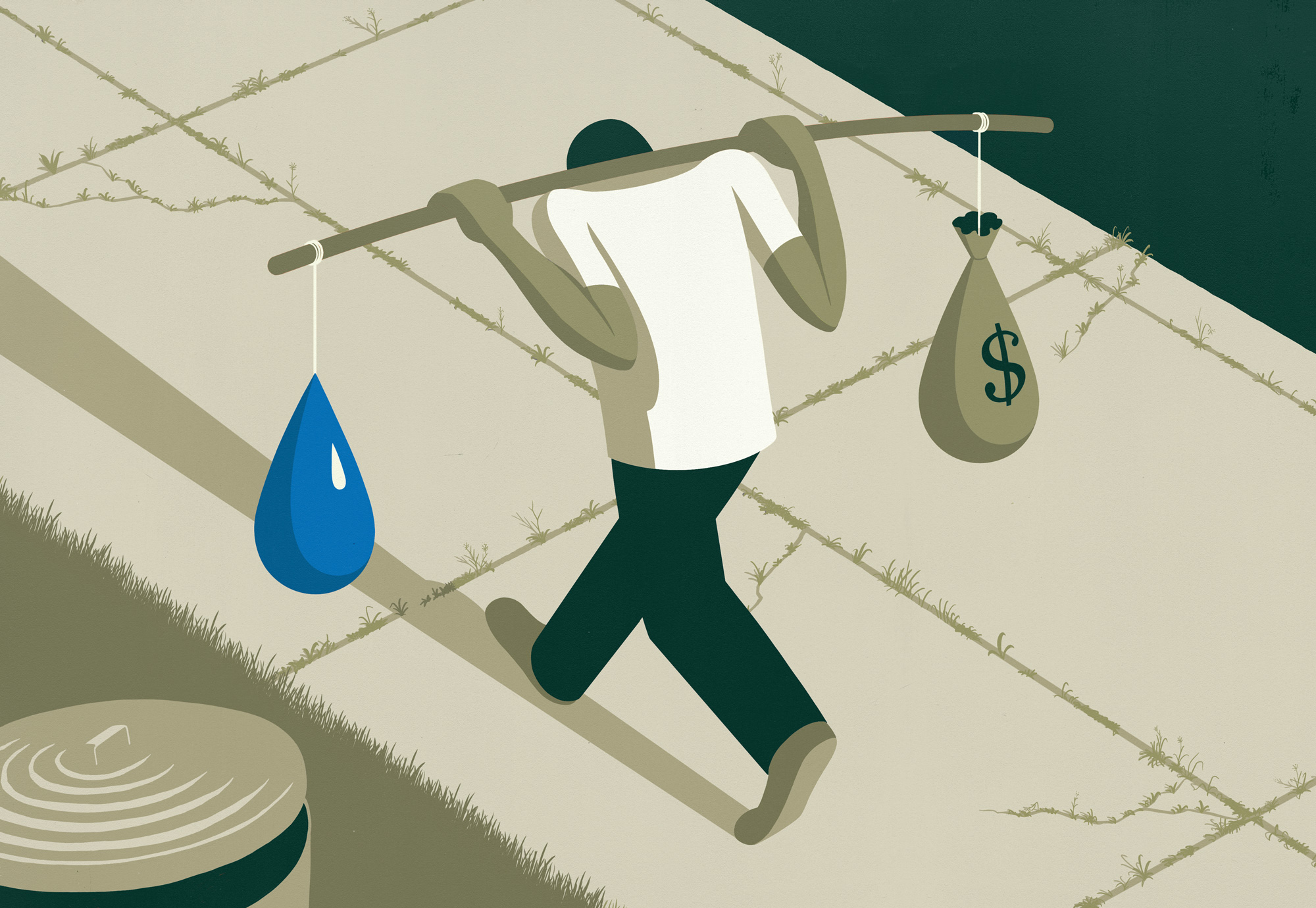 Is It Legal To Work In A Building Without Running Water at Geraldine
And then there’s morale. Employees are the secret ingredient, and they hate a broken toilet. I once worked in an office where a pipe burst on a Friday. The boss tried to keep us working with a single portable toilet outside. Let’s just say the “team building” was more about shared misery than productivity. When the bathroom breaks down, the breaks break down.
Why should you, the everyday reader, really care?
Here’s the warm and fuzzy part. This isn’t just about laws and rules. You care because you are the customer, and you vote with your feet. When you see a café with a “no restroom” sign and a line out the door, you subconsciously lower your trust. You might not realize it, but you equate running water with quality and care. It’s a symbol of “we’ve got it together.”
Also, think about your own favorite local businesses. The little bookstore, the flower shop, the barber. They live on tight margins and are one plumbing bill away from a bad day. Knowing what is and isn’t possible helps you be a more patient, understanding regular. You might chuckle instead of storm out when they say “cash only today” because you know the water went out.
In the end, staying open without running water is like driving a car with three wheels. It can be done, but only very carefully, very briefly, and only in a straight line. Most businesses will close for a few hours rather than risk a health violation or a bad review. And honestly? That’s a sign of a good business, one that respects you enough to say, “We need a break to get things right.”
So next time you see a “Closed for Plumbing” sign, give them a mental high-five. They are choosing your safety over their profit, which is the kind of thing that builds real loyalty. And if you ever see a sign that says “Open! Bring your own hand sanitizer!” – well, you might have just found the most entrepreneurial soul on the block. Go in, buy something, and ask for a funny story. I guarantee they have one.
