Difference Between Filtration And Distillation

You’ve probably stood in your kitchen, staring at a water pitcher filter and a pot of boiling water, and wondered: aren’t they basically doing the same thing? The short answer...
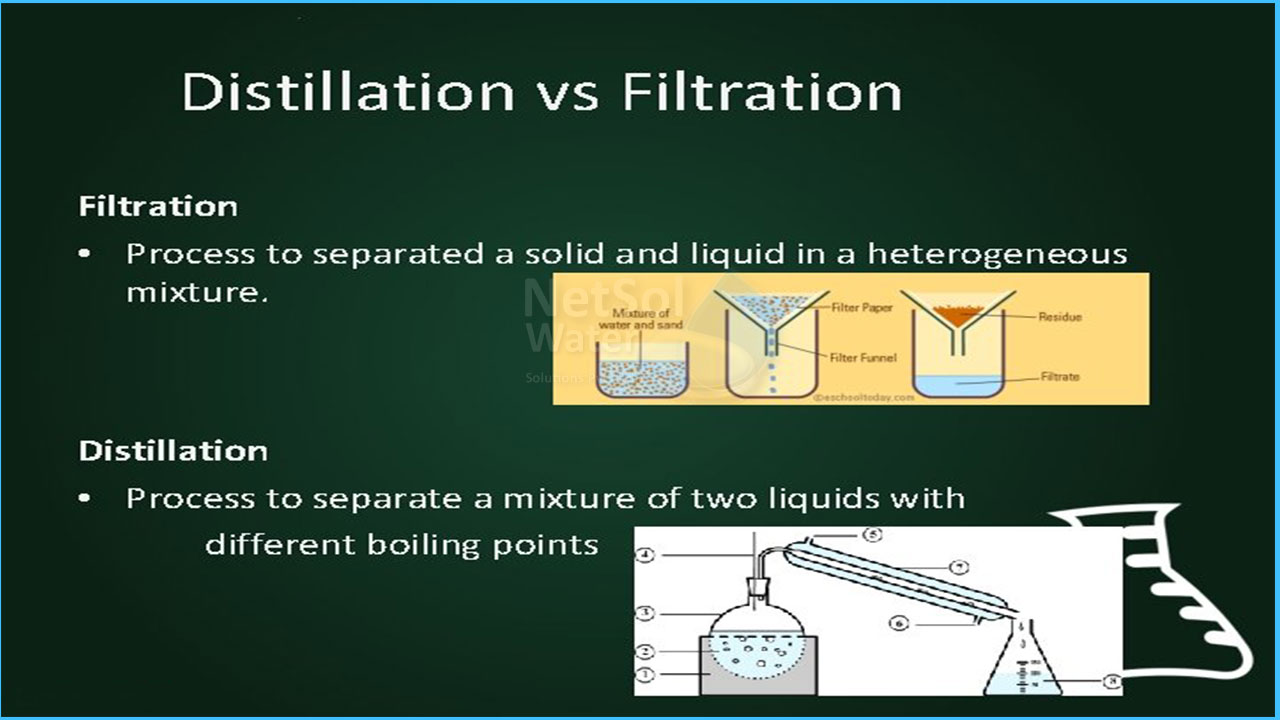
You’ve probably stood in your kitchen, staring at a water pitcher filter and a pot of boiling water, and wondered: aren’t they basically doing the same thing? The short answer is no. They’re cousins, not twins. Filtration and distillation are two very different ways to get cleaner water, and knowing the difference is like knowing why you grab a coffee filter for your latte versus a steamer for your milk—it changes everything.
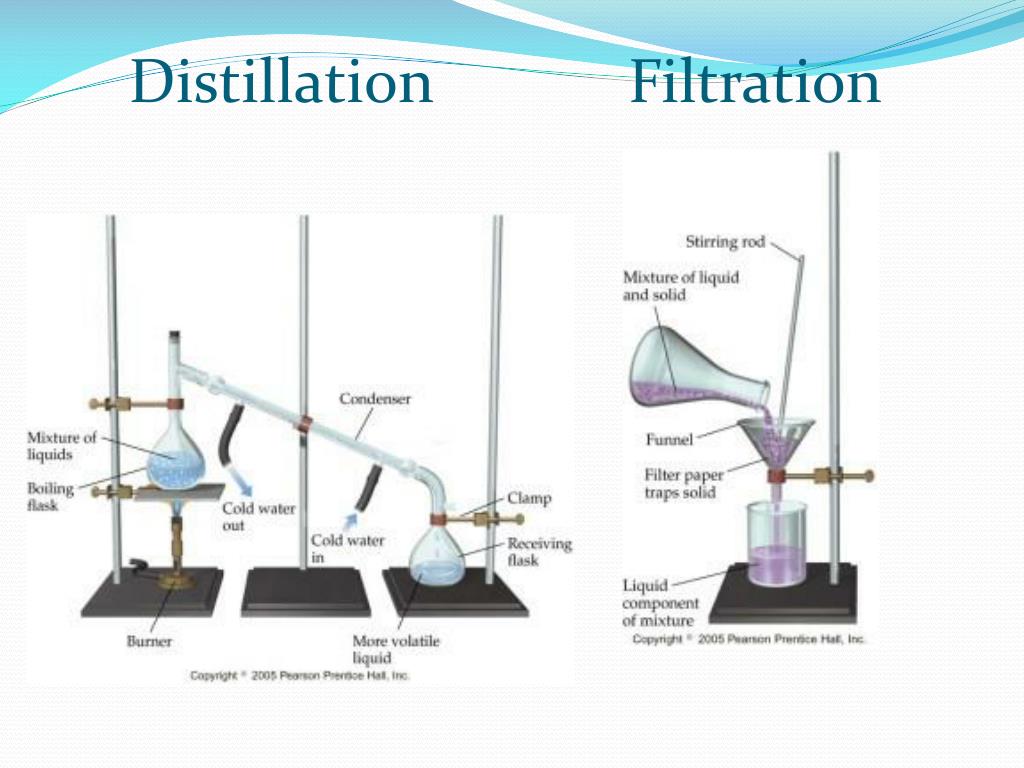
Let’s start with filtration, the laid-back, everyday hero of the water world. Think of it as a bouncer at an exclusive club: it only lets particles of a certain size pass through. Filtration physically separates solids from liquids using a barrier, like a paper filter, a charcoal block, or even a layer of sand. It catches dirt, sediment, and some bacteria, but it leaves behind dissolved minerals and most chemical compounds.
Fun fact: Ancient Egyptians used sand and gravel to filter their drinking water as early as 2000 BC. They were basically the original baristas of hydration.Distillation, on the other hand, is a dramatic, high-concept artist. It doesn’t just block things; it changes the state of matter entirely. You boil the water, turn it into steam (leaving behind the heavy metals, salts, and most bacteria), and then cool that steam back into liquid. It’s like the water goes on a spa retreat, sheds its impurities, and returns in a purer form.
Must Read
The Practical Punchline: Which One Do You Actually Need?
Here’s where lifestyle meets science. Filtration is your go-to for daily convenience. If you want water that tastes better, removes chlorine, and catches a bit of sediment, a simple activated carbon pitcher filter works wonders. It’s fast, it’s easy, and it takes up zero mental space. Filtration is for vibes—for your morning lemon water, your iced tea, and your countertop hydration station.
Distillation is for the purists, the preppers, and the people with specific health or chemistry needs. Distillation removes virtually everything—including minerals, pesticides, and even viruses. However, it’s slow, uses a lot of energy, and strips the water of beneficial minerals like calcium and magnesium. You’re getting the purest H₂O possible, but it tastes a little flat, like water that’s forgotten its personality.
Cultural note: In many households in South Asia, distillation is used not just for water but for making homemade alcohol and essential oils. It’s the same process—just with different ingredients and intentions.Where They Show Up in Your Life (Beyond the Kitchen)
Filtration is everywhere. Your coffee maker uses a paper filter (filtration) to separate grounds from brew. Your vacuum cleaner has a HEPA filter (filtration) to trap dust and pollen. Even your car’s oil filter (filtration) catches metal shavings. It’s the quiet workhorse of modern living.
Distillation shows up in less obvious places. The Vodka in your martini? Distilled. The perfume you spritz on before a date? Distilled. Lab-grade water for scientific experiments is always distilled because even a trace mineral can ruin a test. And yes, some premium ice cubes are made from distilled water for extra clarity—a flex for the style-conscious host.
Practical Tips for Your Home Setup
Don’t use distilled water in your espresso machine or iron. It can corrode the metal parts because it lacks minerals. Stick with filtered water for appliances. Distilled water is best for car batteries, humidifiers, and filling a fish tank that doesn’t need added chemicals.
 PPT - CHEMISTRY I PowerPoint Presentation, free download - ID:3104697
If you want the best of both worlds, use a good carbon filter for drinking and cooking, then keep a small countertop distiller for special uses (like making clear ice cubes or refreshing a steam mop). It’s like having a solid daily driver and a weekend sports car.
Quick tip: You can tell if your water is filtered or distilled by taste. Filtered water has a slight mineral bite. Distilled water tastes almost blank—like the water in those tiny plastic bottles at the dentist’s office.Filtration is fast and keeps the good stuff (minerals) in. Distillation is slow and pure, but it leaves the water lonely. Both are valid, but they serve different rituals. Think of filtration as a quick cleanse for your morning routine, and distillation as a weekend detox for your hydration system.
A Little Reflection for Your Daily Life
Here’s the lifestyle takeaway: this whole filtration-versus-distillation thing is oddly poetic. We often treat our daily challenges the same way. Sometimes, we just need a filter—a light, fast process that removes the obvious noise and helps us move on. Other times, we need full distillation—a deep, transformative process that strips everything away so we can rebuild from scratch.
Your water is a mirror. The next time you fill a glass, pause and notice which method you’re trusting. Are you just filtering out the small stuff, or are you ready for a full distillation? Either way, you’re hydrating with intention. And really, in a world that moves too fast, choosing the right process—for your water, your mind, or your morning coffee—is a quiet act of wisdom.
So go ahead, pour yourself a glass. Filtered or distilled, it’s still a sip of clarity.